
How Consumer Values, Inflation and ‘MAHA’ Are Reshaping the Natural & Organic Landscape
This article first appeared in the May 2026 issue of Presence Marketing’s newsletter.
By Steven Hoffman
In our recent analysis, Organic Outpaces the Market: Global Sales Hit Record Highs as U.S. Crosses $76B, we highlighted a defining economic reality of the 2025-2026 marketplace: Organic food is no longer a niche preference, but a primary economic driver. But the raw sales data tells only half the story. As a “bookend” to that financial milestone, we must dive deeper into the complex, often contradictory psychology of today’s natural and organic consumer.
Food industry thought leader Robyn O’Brien, author of The Unhealthy Truth, once famously noted,”We are not allergic to food. We are allergic to what has been done to it.” That sentiment has never been more relevant than it is today. Consumers are deeply engaged with how their food is grown, processed, and regulated. Yet, they are also navigating an unprecedented maze of economic pressures, political crossfires, confusing sustainability claims, and loud social media detractors.
To chart a successful path forward, natural products brands, retailers, and investors must intimately understand the shifting demographic attitudes toward organic food, regenerative agriculture, pricing, and the policies governing our plates.
The K-Shaped Economy: Valuing the Price of Organic Amidst Inflation
Food inflation and the resulting price elasticity of consumer goods have been the central plotlines of the grocery sector over the last few years. How are food prices affecting the natural and organic products consumer? The reality is nuanced.
According to recent analysis by CoBank, consumers are exploring a range of approaches to handle double-digit cost increases. Looking at the specialty coffee and beverage sector as a bellwether, consumer price index (CPI) data showed coffee prices jumping 18.3% year-over-year in early 2026, leading to a noticeable shift in consumer behaviors, including a retreat to do-it-yourself, at-home preparation.
When it comes to organic goods, consumers are highly sensitive to the premium, yet they continue to buy. CoBank points out that in our increasingly “K-shaped economy”—where the top 10% of wealthy Americans account for roughly half of all consumer spending—the high base price of organic products risks limiting its ultimate audience to higher-income brackets. Recent LendingTree research cited by CoBank notes that organic produce commands a 52.6% price premium over conventional counterparts.
However, despite this premium, organic sales are not stalling; they are growing at 6.8%, double the 3.4% rate of the broader marketplace. Produce remains the undisputed gateway, accounting for 30% of the nation's total organic sales ($22.7 billion).
Consumers view organic produce as an affordable, high-return entry point into health and wellness. They may balk at a $9 organic specialty beverage, but they will readily pay an extra dollar for organic berries or bananas to avoid synthetic pesticides. For the industry to maintain its momentum and avoid being boxed into an elite, high-income corner, the expansion of competitively priced organic private labels, focusing on supply chain efficiencies and economies of scale, and adopting more collaborative partnerships with co-packers and others to cut production costs will be critical.
Deciphering Purchasing Decisions: Safety, Price, and Demographic Heterogeneity
So, just how important is the organic label when a consumer is standing in the grocery aisle making a split-second purchasing decision?
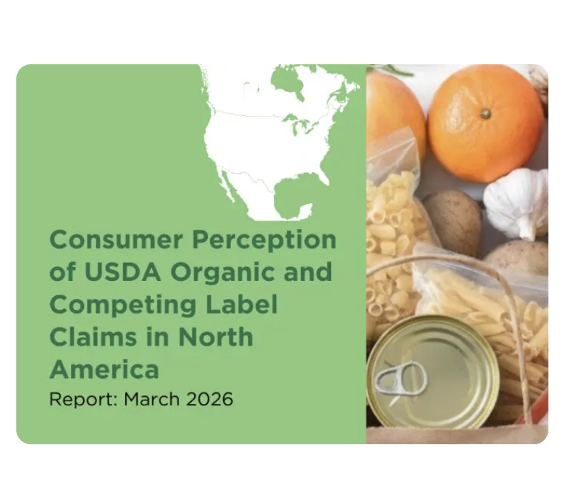
According to the brand-new Consumer Perception of USDA Organic Report released in March 2026 by the Organic Trade Association (OTA) and Euromonitor, organic continues to hold a distinct edge over competing label claims like “natural,” “non-GMO,” and “raised without antibiotics.” As the OTA’s newly launched April 2026 Organic Starts with You campaign underscores, the USDA Organic seal remains the clearest, most credible signal for consumers seeking trust in a crowded marketplace.
Also, a 2026 Best-Worst Scaling study published in Q Open examining U.S. rice consumers provides critical insights into the modern shopper's mindset. The study reveals that across the board, food safety and price remain the most influential factors in purchasing decisions. But beneath those universal priorities lies profound demographic heterogeneity, which researchers divided into four distinct consumer segments: conventional, pragmatic, sustainability-conscious, and low-engagement.
Conventional: Older demographics tend to focus predominantly on price and domestic origin, showing less willingness to pay a premium for ecological farming methods.
Pragmatic: This is arguably the most vital group for marketers to understand. Comprising younger and educated consumers, the “pragmatic” shopper is highly interested in sustainability and regenerative agriculture—but they exhibit deep skepticism toward traditional “organic” marketing claims.
Sustainability-Conscious: This segment, heavily skewing toward younger, highly educated, and higher-income consumers, strongly prefers organic and regenerative attributes. For them, the organic seal is a non-negotiable baseline for environmental stewardship and personal health.
Low Engagement: This consumer shows little to no interest in organic attributes.
The pragmatic segment highlights a growing challenge: The younger cohort is deeply invested in the idea of sustainable food, but they are scrutinizing the validity of certifications. They want the benefits of organic—clean soil, no pesticides, biodiversity—but they are increasingly vulnerable to alternative claims like "regenerative," even when those alternative labels lack strict regulatory definitions.
At the same time, conventional and low-engagement consumers may require accessible education to build awareness and trust in non-conventional farming practices. Additionally, the overlap between regenerative and organic preferences underscores the need for standardized labeling and consistent communication to help consumers meaningfully differentiate between these production systems.
Meeting Increased Demand for “Clean Label” Products
Despite the skepticism of some pragmatic shoppers, the broader consumer base intrinsically links the organic seal to the “clean label” movement. According to breaking data from SPINS’ 2026 Trend Predictions, the clean-label and Non-UPF (non-ultra-processed food) movements also are gaining massive momentum, driven by consumer skepticism, proactive brand reformulation, and younger generations rejecting rigid diets in favor of personalized, clean-ingredient nutrition.
Echoing this shift, recent coverage by SupplySide Food & Beverage Journal notes that the clean-label movement has transitioned from a niche premium differentiator into a baseline consumer expectation. Today’s consumers define natural and organic through a lens of total transparency and purity. In fact, NIQ’s (NielsenIQ) latest 2026 Consumer Outlook reveals that brand trust has become the ultimate currency, with an overwhelming 95% of consumers stating that trust is critical when choosing a brand.
Consumers are backing up this sentiment with their wallets. According to NIQ, clean label products in the U.S. are currently growing at a rate of 7.5% this year, significantly outpacing the 5.9% overall average for U.S. fast-moving consumer goods (FMCG).
Recent research by Innova Market Insights shows that globally, 58% of consumers prioritize honesty and transparency in products, with the top influential purchasing claims being “natural,” “locally sourced,” and “organic.” Furthermore, a 2025 global consumer trends survey from Market Research Future underscores that this shift is heavily driven by younger demographics. The study found that 64% of Gen Z consumers actively seek out clean-label claims such as “organic,” “no artificial ingredients,” and “minimally processed.” SupplySide notes that consumers are reading labels more closely than ever, demanding that brands invest in sustainable sourcing and formulation technologies that preserve shelf life and sensory appeal without compromising the “clean” promise.
To meet this increased demand, the natural and organic industry has expanded its footprint across standard supermarkets, convenience channels, and e-commerce platforms. But meeting mainstream demand brings significant operational hurdles. The industry continues to grapple with supply chain bottlenecks, real-time raw material shortages, and the ongoing challenge of maintaining consistent global sourcing standards. As brands scale, maintaining the transparency that consumers demand—proving that the product is as “clean” as the label implies—is becoming a defining operational challenge … and an opportunity.
Pesticides and the MAHA Influence: For Better and For Worse
The consumer desire for “less/no pesticides/chemicals” is currently colliding with an increasingly politicized food system, most notably the profound influence of the “Make America Healthy Again” (MAHA) movement. Led by political figures and advocates pushing to upend the FDA and USDA, MAHA has dramatically shifted the national conversation around food and agriculture—yielding intensely mixed results for the natural and organic industry.
The Better
The MAHA movement has successfully thrust the concept of “food as medicine” into the mainstream political arena, validating concerns that natural and organic industry advocates have championed for decades, as reported by SupplySide Food & Beverage Journal and many others. By aggressively targeting petroleum-based artificial food dyes, seed oils, and ultra-processed foods (UPFs), MAHA has elevated everyday consumer awareness about clean ingredients to unprecedented heights. This populist uproar against the conventional, highly processed food system inherently drives traffic toward the natural and organic aisles, where consumers know they can find refuge from artificial ingredients.
The Worse
However, when it comes to the bedrock of organic farming—the prohibition of synthetic toxic pesticides—the MAHA influence has been far more complicated. Environmental watchdog groups note that despite the populist rhetoric regarding health, the current political administration’s actual policy execution has heavily favored chemical agribusiness, much to the chagrin of many MAHA proponents, according to a recent report from Politico.
Rather than restricting toxic agricultural inputs, there has been a trend of pesticide protectionism that is further frustrating health proponents, NPR reported in April 2026. We are witnessing regulatory rollbacks regarding risk evaluations for hormone-disrupting chemicals and a startling lack of new federal pesticide restrictions. Furthermore, 2025 and 2026 saw federal funding freezes and delays for critical programs meant to assist farmers transitioning to organic systems. This creates a paradox: Consumers are being told by political influencers to eat cleaner, healthier food, while the very mechanisms needed to scale organic farming and protect rural communities from toxic chemicals are being undermined at the federal level.
Defending the Shield: Countering the Social Media “Gaslight” Narrative
This political turbulence is mirrored by a growing, concerning cultural backlash against organic food on social media. If the organic industry wants to protect its $76 billion market share, it must learn how to aggressively and effectively counter negative PR.
As highlighted in a poignant April 2026 newsletter by Organic Insider, a rising tide of large content creators, fitness influencers, and self-appointed “truth-tellers” on Instagram and TikTok have been relentlessly attacking the organic industry. They are going viral by calling organic food “the greatest gaslight of all time,” “worthless,” and “a scam.”
Max Goldberg of Organic Insider, correctly identifies this trend not as a good-faith critique of a flawed agricultural system, but as the “monetization of destruction.” These influencers are farming clicks and outrage by tearing down the organic seal, yet they offer no constructive alternative framework, Goldberg says.
If the organic system were to be dismantled by this wave of social media cynicism, what would we be left with? We would be left entirely with the conventional food system—a system optimized for cheap, extractive production where crops are routinely desiccated with glyphosate, a known carcinogen, and sprayed with dicamba, a highly toxic pesticide. We would be left with a system reliant on genetically engineered crops, synthetic biology, and the total externalization of environmental costs onto rural farming communities.
To counter this negative PR, organic brands and marketers must stop playing defense and start playing offense. For example:
Elevate the Farmer: The influencers calling organic a scam will never look a fourth-generation farmer in the eye—someone who has spent years earning certification, paid thousands in annual fees, and worked without synthetic shortcuts—and tell them their life’s work is a gaslight. Brands must put these farmers front and center in their marketing campaigns. Show the soil. Show the labor. Show the humanity behind the seal.
Educate on the Alternative: Brands must clearly articulate what the absence of organic means. Remind consumers that organic federal certification mandates soil health standards, annual certifier inspections, chain-of-custody requirements, and a strict prohibition on synthetic pesticides and GMOs.
Acknowledge and Improve: As Organic Insider notes, the organic system is not perfect. The industry must publicly champion stronger enforcement and the elimination of fraud. Transparency builds trust; defensiveness destroys it. By acknowledging flaws while fiercely defending the system’s foundational principles, the industry can win back the “pragmatic” consumers who are currently paralyzed by social media skepticism.
The Path Forward
The market research of 2026 paints a complex, highly dynamic picture for the natural and organic industry. Consumers are highly motivated and willing to pay a justified premium for clean, safe food, even amidst tightening economic belts. They are increasingly savvy about the links between agricultural practices, environmental resilience, and their own health.
However, the industry is no longer operating in an echo chamber of early adopters. It is operating in a noisy, politically charged, and economically stressed mainstream marketplace. As terms like “regenerative” risk being co-opted by conventional agriculture to obscure ongoing pesticide use, and as social media algorithms reward outrage over nuance, the mandate for organic brands is crystal clear: uncompromising transparency and bold advocacy.
Relying on the rigorously audited USDA Organic seal and also newer, Regenerative Organic Certified (ROC) standards—while relentlessly educating consumers on why organic remains the gold standard for pesticide-free, non-GMO food—will be the most vital strategy for retaining consumer trust, justifying the price premium, and securing the next generation of growth for the natural and organic products sector.
Steven Hoffman is Managing Director of Compass Natural Marketing, a strategic communications and brand development agency serving the natural and organic products industry. Learn more at www.compassnatural.com.
Forget Superfoods—Support Total Body Wellness With Surthrival Colostrum, Nature's Complete Whole Food
Surthrival Colostrum offers a pure, high-potency colostrum supplement optimized for human health at all ages
BIDDEFORD, Maine (June 15, 2023) – We’ve long heard about the health benefits of the colostrum found in breast milk. Study after study shows that colostrum is packed with nutrients that are key for the development and survival of baby humans and other mammals. Because it’s often the first nutrition infant humans receive, colostrum contains more than 90 compounds our bodies and brains need to develop and thrive.
But colostrum’s health benefits aren’t just restricted to infants. Thousands of published studies show colostrum can optimize health at all stages of human life. That’s why Surthrival, a Maine-based company dedicated to providing dietary supplements that support peak nutrition and optimal wellness, is proud to offer a highly potent, responsibly sourced, non-GMO colostrum dietary supplement designed to be consumed by people of all ages.
Surthrival Colostrum is the only colostrum dietary supplement optimized for human health. Research shows that supplementing with Surthrival Colostrum powder or capsules can:
Balance immune function
Promote healthy digestion and overall gut health
Improve cognitive function
Increase endurance and lean muscle mass
Maintain healthy joints, cartilage and musculature
Shorten recovery time after exercise
Considering all of these health benefits, is it any wonder that Surthrival Colostrum is referred to as “immune milk” and the “first food for second chances”?
Surthrival's natural, ethically harvested colostrum
Research shows that colostrum is a complete food packed with all of the essential amino acids used to build protein, immunoglobulins that play a key role in immune defenses, prebiotics that help protect the gut microbiome, and major growth factors that can help increase lean muscle mass and the body’s fat-burning capacity. Colostrum is also an excellent source of vitamins A, B, D, E and K, along with key minerals like calcium, iron, magnesium and phosphorus.
Because most of the compounds in bovine colostrum are functionally identical to those in human colostrum, Surthrival Colostrum is ethically harvested and sourced from cows raised on dairy farms throughout the United States. Colostrum is vital for a newborn calf to thrive into adulthood, as it contains all of the immune factors necessary for the calf to survive. Consequently, Surthrival Colostrum is collected only after the newborn calf consumes all of the colostrum it needs.
To transform this colostrum into a dietary supplement, it must be processed from a liquid into a powder. But unlike other colostrum powders on the market today, Surthival Colostrum retains its whole-food form after processing. This ensures that Surthrival Colostrum contains all of its bioactive nutrients in their purest forms—just as nature intended.
No excipients or fillers are ever added, and Surthrival Colostrum is transported to and processed in a U.S. GMP-certified facility using strict refrigeration protocols. The end result is a clean, high-potency colostrum dietary supplement optimized for human health.
The sumptuous health solution
Surthrival Colostrum comes in two easy-to-use versions: a shelf-stable powder (6.5 ounce, 1 kilo or 2 kilos) or 180-count capsules. Rich and creamy-tasting, it’s available unflavored or in three naturally sourced flavors:
Chocolate, made with organic, unroasted cacao powder
Strawberry, made with real strawberry juice powder
Vanilla, made with organic vanilla bean extract
Simply blend 1 teaspoon of unflavored Surthrival Colostrum Powder into your favorite smoothie recipe twice a day to support and sustain your daily life. Flavored Surthrival Colostrum Powder is water soluble, so your twice-daily teaspoon can be blended into a smoothie, water, juice, or even coffee.
Whether you’re working your movement game hard or trying to build a healthy baseline, Surthrival Colostrum is your “Plan A” to “level-up” along your journey!

Exclusive Discount on Surthrival Colostrum
Use promo code PRESS20 at checkout to receive an exclusive 20% discount on Surthrival Colostrum. Code expires July 15.
About Surthrival
Based in Biddeford, Maine, Surthrival was founded in 2008 by LeighLon Anderson and Daniel Vitalis, star of the Outdoor Channel’s WildFed, to provide powerful, regenerative nutrients to support peak nutrition and optimal wellness. In addition to its best-selling bovine colostrum powder, Surthrival’s products include sustainably foraged black walnut protein powder, elk antler concentrate, reishi mushroom extract, vitamin D3/K2, and CBD for pets and people.
Follow Surthrival on Facebook, Instagram, Twitter and LinkedIn.
For wholesale inquiries, contact wholesale@surthrival.com.
Media Contact
Steven Hoffman, Compass Natural, steve@compassnaturalmarketing.com
Sales of Non-GMO Products Top $8.5 Billion, Post 20% Growth
Sales of products carrying the Non-GMO Project Verified seal now total more than growing at more than 20% annually, reported the Non-GMO Project.
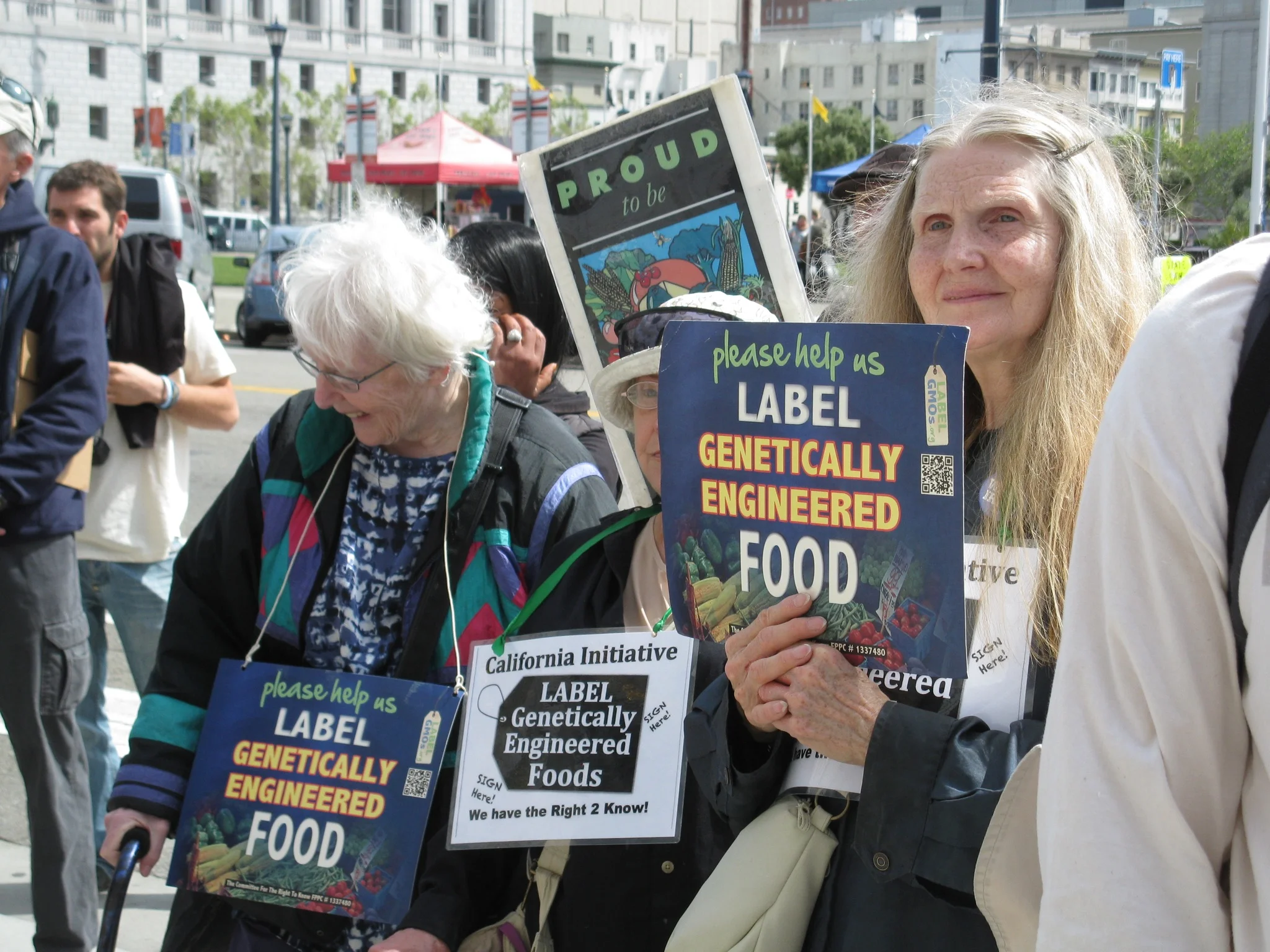
Photo: Compass Natural
Sales of products carrying the Non-GMO Project Verified seal now total more than $8.5 billion, growing at more than 20% annually, reported Megan Westgate, Executive Director of the Non-GMO Project, a non-profit organization based in Bellingham, Washington. More than 22,000 products now carry the Non-GMO Project Verified seal, representing more than 2,100 brands, she said.
To qualify for the seal, a product has to be certified as containing ingredients with less than 1% genetic modification. Westgate said that’s a realistic standard, while totally GMO-free is not, particularly in an environment where more than 90% of conventional crops including corn, soy, canola, alfalfa, sugar beets and cotton are genetically engineered. “Interestingly, with all of this traction in the natural sector, we’re seeing more conventional companies coming on board and having their products verified,” Westgate told Iowa Public Radio in a December 17 interview.
To date, FoodChain ID, a third-party auditor that certifies products for the Non-GMO Project, has verified 17,000 ingredients from 10,000 suppliers in 96 countries. David Carter, General Manager of FoodChain ID, said he could barely keep up with the number of inquiries coming from companies that want Non-GMO Project certification. “The demand is now very, very high and it has been for probably over a year,” Carter said. Visit www.nongmoproject.org.
Disappointed GMO Labeling Advocates in OR and CO
With more than $45 million poured in to defeat GMO labeling ballot initiatives in 2014, voters in Oregon and Colorado rejected ballot measures to label GMO foods.

Source: Wikimedia Commons
With more than $45 million poured in to defeat GMO labeling ballot initiatives in 2014, voters in Oregon and Colorado rejected ballot measures to label GMO foods. However, residents of Maui, HI, passed a ban on GMO agriculture by just over 1,000 votes.
GMO labeling advocates are rethinking national and state strategies after voters rejected ballot initiatives to label GMO foods in both Oregon and Colorado in statewide elections held on November 4.
In Colorado, the campaign to pass Proposition 105 to label GMO foods, which was hugely outspent by anti-labeling forces, suffered a significant defeat with 66% voting against, vs. 34% of voters in favor of labeling. Colorado residents were subjected to a withering barrage of television advertising in September and October by the No on 105 side, the supporters of which, including Monsanto, DuPont, Dow, Pepsi, Kraft and General Mills and others, pumped nearly $17 million into the state vs. just under $1 million raised by the pro-labeling, Yes on 105 campaign.
In Oregon, the outcome was much closer, where Measure 92 to label GMOs was narrowly defeated by a razor-thin margin of less than 1% of the vote, with less than 51% of Oregonians voting no. Spending on both sides of the GMO labeling measure broke all state records for ballot measures in Oregon, with the pro-labeling, Yes on 92 side raising $8.1 million, while the No side poured $20.5 million into the state to defeat the ballot measure.
Maui Wins Big; Monsanto Threatens Litigation
However, in a big win to reign in the rampant escalation of GMO agriculture and pesticide use in Hawaii, a ballot referendum in Maui County was passed by just over 1,000 votes to place a moratorium on the growing of genetically engineered or GMO crops on the islands of Maui, Molokai and Lanai until they are cleared by environmental and safety studies. These islands have been major experimental grounds for new, untested GMO crops and pesticides, and residents have grown increasingly concerned about pesticide pollution of rivers and oceans, and health risks to communities located near experimental plots.
True to form, Monsanto has already threatened litigation to overturn the moratorium. According to Hawaii News Now, on November 5, Monsanto issued the following statement in response to the Maui referendum:
“We believe this referendum is invalid and contrary to long established state and federal laws that support both the safety and lawful testing and planting of GMO plants. If effective, the referendum will have significant negative consequences for the local economy, Hawaii agriculture and our business on the island. We are committed to ongoing dialogue as we take steps to ask the court to declare that this initiative is legally flawed and cannot be enforced. Monsanto and other allied parties will be joining together in this effort."
In another small but meaningful 2014 election victory, the citizens of Humboldt County, CA, approved a measure to prohibit the propagation, cultivation, raising, or growing of genetically modified organisms in the county. Humboldt joins Mendocino, Trinity, Santa Cruz and Marin Counties, which previously passed moratoriums or bans on GMOs. Also, two counties in Oregon have banned GMOs, along with San Juan County in Washington State, and the state of Vermont, which is currently facing a lawsuit from anti-labeling opponents including the Grocery Manufacturers Association.
Who Is Funding the Anti-GMO Labeling Side?
Seeking to crush a groundswell movement in America to label genetically modified or GMO foods, a small group of multi-billion-dollar pesticide, biotech and “Big Food” companies poured more than $45 million into Colorado, Oregon and Hawaii in September and October to defeat the GMO labeling ballot initiatives.
Just two dozen corporations, including Monsanto, DuPont, PepsiCo, Coca-Cola, Kraft, Land O'Lakes, General Mills, Hershey, J.M. Smucker, Conagra, Dow Chemical Co., Kellogg, Smithfield Foods, and others, were responsible for more than $16 million of the $16.7 million total contributed to defeat the Colorado GMO labeling bill. Also of note among the donors seeking to defeat the Colorado GMO labeling bill were Abbot Nutrition and Mead Johnson, companies that make nutritional formulas for infants and the elderly – companies that do not want mandatory GMO labeling on their packaging.
Similarly, Monsanto, PepsiCo, Kraft, Coca-Cola, Land O'Lakes, General Mills, Hershey and other chemical and food multinationals topped the list of donors to the No on 92 campaign in Oregon. To see the list of donors to both the Yes and No sides in Oregon, visit http://gov.oregonlive.com/election/2014/finance/measure-92/.
In contrast, the underdog Right to Know Colorado campaign raised less than $1 million in cash and pledges, mostly through small business donations along with hundreds of $5, $10, and $25 contributions to the campaign from primarily Colorado citizens. Despite grassroots volunteer efforts, phone banks, door-to-door visits, social media, newspaper and digital advertising, plus major endorsements from leading Colorado media, Chipotle Mexican Grill, Whole Foods Market and more, the pro-GMO labeling campaign could not afford to counter any of the negative television advertising that blanketed the state from the No on 105 campaign.
“I can’t understand why these corporations would put $17 million into a Colorado campaign where the pro-labeling side raised less than $1 million,” said Larry Cooper, Co-chair of the Right to Know Colorado campaign. “What are they trying to hide?”
Presence Marketing a Major Contributor to Pro-Labeling Campaigns
Major contributors to Colorado's Yes on 105 and also the Oregon pro-labeling campaign included Presence Marketing/Dynamic Presence, Food Democracy Now, Organic Consumers Association, Annie's Inc., Dr. Bronner’s, Boulder Brands and others. For a complete list visit www.righttoknowcolorado.org/donors and www.oregonrighttoknow.org/endorsements.
Grassroots organizations endorsing the Right to Know Colorado ballot initiative included Moms Across America, Rocky Mountain Farmers Union, Colorado Moms for GMO Labeling, Conservation Colorado, Alliance for Sustainable Colorado, Hazon, and others.
Seeing the rising tide of consumer and citizen support for GMO labeling as a threat to profits, Monsanto, Dow, DuPont, Pepsi, Coke, Kraft, Grocery Manufacturers Association, and other pesticide, biotech and junk food companies have teamed up to spend nearly $150 million over the past three years to defeat GMO labeling ballot initiatives in California and Washington in 2012 and 2013, and in Oregon and Colorado this year.
More than 93% of Americans want GMO labeling, according to a 2013 New York Times survey. Yet, less than three dozen chemical, pesticide and junk food companies continue to fight history with a withering amount of cash, deceptive advertising, and threats of lawsuits to confuse voters and legislators about GMO labeling - and to buy our elections.
The Fight Will Continue in Washington D.C.
Scott Faber, executive director of the Just Label It campaign, said the recent election defeats in Oregon and Colorado "only strengthens our resolve to fight for consumers' right to know what's in their food. Now, the fight will shift to the nation's capital, where the same food companies who were fighting the right to know will be seeking to block state laws and make it harder for the FDA to craft a national mandatory disclosure system."
For information and to support GMO labeling, visit www.justlabelit.org, www.righttoknowcolorado.org and www.oregonrighttoknow.org.
Steven Hoffman is Managing Director of Compass Natural Marketing, providing marketing, PR, social media, and strategic business development services to natural, organic and sustainable products businesses. Contact steve@compassnatural.com, tel 303.807.1042.
The Zeroes: Who Is Funding the Anti-GMO Labeling?
A small group of multi-billion-dollar corporations have poured nearly $17 million into Colorado in to try to defeat Proposition 105.

Seeking to crush a groundswell movement in America to label genetically modified foods, a small group of multi-billion-dollar pesticide, biotech and Big Food corporations have poured nearly $17 million into Colorado in September and October 2014 to try to defeat Proposition 105, a grassroots voter initiative to label GMO foods that has raised less than $1 million. These out-of-state corporations are literally outspending the underdog pro-labeling side by more than 20 to 1. Who are these corporations trying to buy our elections and keep Americans in the dark about GMOs?
Please see a more complete list below, however, just 15 corporations, including Monsanto, DuPont, PepsiCo, Coca-Cola, Kraft, Land O'Lakes, General Mills, Hershey, J.M. Smucker, Bimbo Bakeries, Dow, Kellogg, and Conagra, are responsible for more than $15 million of the $16.7 million total contributed to try to defeat the Colorado GMO labeling bill.
Baby formula makers don't want moms to know their products are full of GMOs.
Also of particular note among the anti-labeling donors are Abbot Nutrition and Mead Johnson, corporations that make nutritional formulas for infants and the elderly – companies that do not want mandatory GMO labeling on their packaging.
In contrast, the underdog Right to Know Colorado campaign has raised less than $1 million in cash and pledges, mostly through small business donations along with hundreds of $5, $10, and $25 contributions to the Yes on 105 campaign from primarily Colorado citizens.
The Zeros: Multinational Biotech Seed, Chemical and Big Food Corporations and the Amounts They Have Donated to Defeat Prop 105 to Label GMOs in Colorado*
Monsanto, $4.7 million DuPont/Pioneer, $3.04 million Pepsico, $1.65 million Coca-Cola, $1.1 million Kraft Foods, $1.03 million Land O'Lakes, $900,000 General Mills, $820,000 Target Enterprises, $500,000 The Hershey Co., $380,000 J.M. Smucker Co., $345,000 Dow Agrosciences, a Dow Chemical Company, $300,000 Bimbo Bakeries, $270,000 Kellogg Co., $250,000 Conagra Foods, $250,000 Flowers Food Inc., $250,000 Smithfield Foods, $200,000 Abbot Nutrition, $190,000 Cargill Inc., $135,000 Grocery Manufacturer's Association, $101,400 Hormel Foods, $85,000 Ocean Spray Cranberries, $80,000 Bumble Bee Foods, $50,000 Mead Johnson, $50,000 Shearer's Foods, $35,000 Welch's, $35,000 Knouse Foods, $25,000 Sunny Delight Beverage Co., $25,000 Biotechnology Industry Organization, $14,600 Niagara Bottling, $10,000
* Source: Colorado Secretary of State Elections Division, reporting as of Oct. 27, 2014: http://tracer.sos.colorado.gov/PublicSite/SearchPages/CommitteeDetail.aspx?OrgID=26735
Market Research: Fruit Flies Say Organic is Better
The study, conducted by Dallas middle-school student Ria Chhabra, tracked the effects of organic and conventional diets on the health of fruit flies.
You may have heard, of all things, about recent research related to organic food and fruit flies published in the respected scientific journal Plos One. The study, conducted by Dallas middle-school student Ria Chhabra, tracked the effects of organic and conventional diets on the health of fruit flies. By nearly every measure, including fertility, stress resistance and longevity, flies that fed on organic bananas and potatoes fared better than those who dined on conventionally raised produce, according to the New York Times. The study, which earned 16-year-old Chhabra top honors in a national science competition, provided “evidence that organically raised food may provide animals with tangible benefits to overall health.”
U.S. families, too, are flocking to organic foods, with 81% of families reporting that they purchase organic at least sometimes, says the Organic Trade Association (OTA) in its survey, “U.S. Families’ Organic Attitudes and Beliefs Study,” conducted in January 2013. Nearly half (48%) of those who purchase organic foods said they do so because “they are healthier for me and my children.” Among the top reasons to purchase organic are the desire to avoid toxic and persistent pesticides and fertilizers, antibiotics and growth hormones, and genetically modified organisms or GMOs. More than four in 10 parents (42%) said their trust in organic products increased, vs. 32% who indicated this point of view a year ago. “More and more parents choose organic foods primarily because of their desire to provide healthful options for their children,” said Christine Bushway, Executive Director of OTA.
However, in a March 2013 Harris Interactive poll of 2,276 U.S. adults, more than half (59%) agreed that labeling food or other products as organic is just an excuse to charge more. "What surprised us most was that while Americans are showing more concern for the environment, they aren't necessarily willing to pay more to do anything about it," said Mike de Vere, Harris president. "While Americans feel better about the economy, many are wary of the 'greenwashing' concept that gives companies a chance to cash in on consumers who want to help the planet but are confused by all the eco-friendly jargon." Manufacturers who convey the true value of organic while offering a fair price will be better positioned to win over this skeptical consumer.
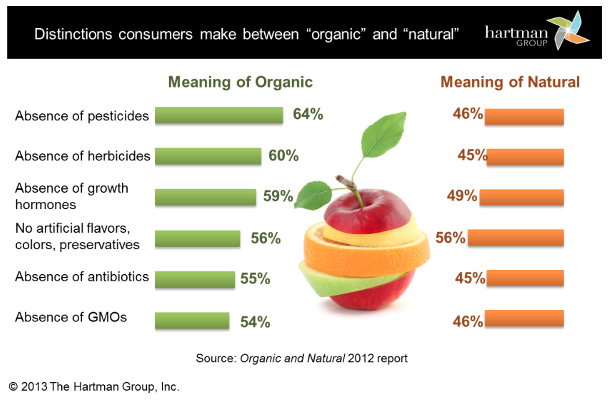
Similarly, the Hartman Group discovered in its 2012 Organic and Natural Report that only slightly more than half (54%) of consumers surveyed believe “organic” means non-GMO. While GMOs are prohibited in certified organic production, the proliferation of non-GMO seals, often appearing next to the USDA Organic seal on packaging, may have diluted the consumer’s perception that organic also means non-GMO.
However, OTA reports that U.S. families are becoming increasingly aware of the presence of unlabeled genetically modified organisms (GMOs) in foods in the marketplace, with one-third (32%) of U.S. households turning to organic to avoid GMOs.
Graphic: Courtesy of The Hartman Group, www.harman-group.com.
Prop 37: A Battle Lost, A Movement Just Begun
Nearly 90% of the global agricultural seed industry has been consolidated into a handful of multinational chemical pesticide companies.
Originally published on Nov. 8, 2012 in Supply Side Community by Virgo Publishing. Once a diversified industry comprising hundreds of independent producers, in less than 20 years, ownership of nearly 90% of the global agricultural seed industry has been consolidated into a handful of multinational chemical pesticide companies, including Monsanto, Syngenta, Bayer, Dow and DuPont.
These same names, the dominant forces in getting their genetically engineered crops into more than 80% of all processed foods, and in selling the pesticides that go along with their patented crops, are also familiar as the leading contributors to the No on 37 campaign, which poured nearly $50 million into killing Proposition 37, the California Right to Know Ballot Initiative to Label Genetically Engineered Foods, this past election day.
Outspending a grassroots Yes on 37 campaign by 6 to 1, biotech and multinational food corporations bankrolled $1.5 million a day during the month of October to inundate the California voter with a deluge of deceptive television, radio and direct mail advertising to defeat Prop 37. Monsanto alone sank more than $7.5 million into killing the initiative, nearly as much as was raised overall by the Yes on 37 campaign to label GMO foods.
The Prop 37 ballot measure was narrowly defeated in the statewide election by a margin of 52% vs. 48%, however, the campaign to label genetically modified foods accomplished a lot in going toe to toe with the chemical companies and multinationals who sought to suppress the consumer’s right to know. Yet, the defeat of Prop 37 is a clear example of the power of corporate money to buy elections in the age of “Citizens United” and unlimited campaign contributions, despite a heroic grassroots effort by the Yes on 37 campaign.
With a coalition of more than 3,800 endorsers, including farm and labor groups, consumer, health and trade associations, organic and non-GMO food and nutritional supplement companies, physicians and healthcare advocates, and more than 10,000 volunteers, the Prop 37 campaign to pass the GMO labeling initiative was successful in raising more than $8 million, and in coordinating a massive awareness-building and get-out-the-vote campaign that has put GMO labeling squarely into the national conversation. Now, post election, the battle to label GMOs will continue via a ballot initiative in Washington State in 2013, and on the national front through JustLabelIt.org, which will continue to pressure FDA and legislators in Washington, DC, for federal labeling of GMOs in food.
Devil Was in (Misinterpreting) the Details Prop 37’s overarching goal was to label foods sold in California supermarkets that contained genetically engineered ingredients. Contrary to the biotech opposition’s relentless argument that it would raise food costs by up to $400 per year, the fact is that there is insignificant additional cost in adding words to the label that say “Contains” or “May Contain Genetically Engineered Ingredients.” From then on, it’s up to the food producer to decide to use GMO ingredients or not. All Prop 37 would have required them to do is to label it. And with a grace period of 18-months allowed under the bill, food producers could easily transition to a newly printed label at little added cost.
The natural products industry was also divided over Prop 37 by varying interpretations and misinterpretations of the use of the term “natural” under Prop 37 ballot language, exacerbated by propaganda from the opposition, which claimed that no processed foods could be called natural. Nothing could be further from the truth.
In essence, under the initiative, if a food producer were to include GMO ingredients in a processed food product, they would not be able call that product “natural.” However, if a food producer can demonstrate that no GMO ingredients were used, either through certificates (e.g., organic, Non-GMO Project Verified) or affidavits from suppliers, then they can call their product “natural” all they want. Period.
This misinterpretation, despite the recommendations of a number of attorneys who issued legal briefs on the subject, ultimately lead to an unfortunate endorsement by the Natural Products Association of No on 37, thus siding the nutritional supplement industry’s leading trade association with DuPont, Dow and Monsanto against the consumer’s right to know.
Losing sight of the forest through the trees, the NPA, with a mission since 1936 to promote the highest quality health food products and protect the consumer’s right to know, missed the mark. Getting hung up in misinterpreted details, NPA and some other supplement and natural foods producers actually advocated against Prop 37, thus hurting fundraising efforts and the vote among a core market segment that should, above all, be protecting the consumer’s right to know – a cornerstone mission of the natural and organic products industry.
Fortunately, the Organic Trade Association’s board of directors, seeing the overall importance of the initiative in protecting the integrity of our food system, galvanized much of the organic industry by endorsing Prop 37 and publicly advocating in favor of the Yes on 37 campaign. OTA remains committed to federal GMO labeling requirements, as well.
Consumers Are Getting Smarter About GMOs Yet, Prop 37 revealed to core consumers and organic advocates that a number of leading organic brands are actually owned by parent companies that contributed millions of dollars to defeat the GMO labeling measure, while their organic brands profited from offering non-GMO options. This has resulted in a lot of negative comments and backlash from consumers in the social media about these wholly owned organic brands, negative publicity and word of mouth that will require much effort to repair. The trouble is, these organic subsidiary brands remained largely silent during the entire campaign, despite numerous appeals to support Prop 37.
Prop 37 also revealed that just because a product calls itself “natural” doesn’t mean that there are no genetically engineered ingredients in the product. In walking the aisles of Natural Products Expo East recently, I was dismayed to see a number of food and supplement companies displaying products that contain genetically engineered ingredients, yet seeking to profit by calling their products “natural.”
More than 90% of consumers surveyed in America say they want labeling of genetically modified foods. Prop 37 furthered this issue not only in California, but also across the US and the world, where many watched the outcome, including natural and organic industry leaders from some of the 61 countries where GMO labeling is required.
Food producers who use GMOs yet profit by calling their products natural, or supplement producers who don’t take a stand on GMO ingredient standards, will ultimately be on the wrong side of history. Prop 37 failed because large money interests massively outspent a grassroots ballot initiative and employed negative, deceptive advertising to obfuscate the truth.
But just as marriage equality finally garnered victories in this past week’s election after failing in numerous states over recent years, the movement toward federal labeling of genetically engineered foods will ultimately succeed. Prop 37 was but the beginning.
Steven Hoffman, Managing Director of Compass Natural Marketing, a full service marketing, business development, PR and communications agency based in Boulder, CO, served on the Prop 37 campaign Steering Committee, and directed fundraising and outreach efforts on behalf of Prop 37 to the natural, organic and sustainable products community.
University of Colorado Scientists are Wrong on GMO Data
University of Colorado professors who benefit from the multi-billion-dollar biotech industry do the community a disservice by spreading misinformation in their guest commentaries.

Source: Wikimedia Commons
This blog was originally submitted to the Boulder Daily Camera in response to an opinion piece the paper ran on May 25, 2012, stating that GMOs are safe. In the following letter, we present peer-reviewed evidence on why the commentator - a University of Colorado biotech professor - is wrong about GMOs.
University of Colorado professors who benefit from the multi-billion-dollar biotech industry do the community a disservice by spreading misinformation, hubris and slanted opinion in their guest commentaries of Jan. 8, 2012, and also May 25, 2012, in the Boulder Daily Camera. Meanwhile,the Camera itself has presented little balance from non-GMO experts, and in fact the newspaper endorsed GMOs on Boulder open space land.
While Prof. Andrew Staehelin in his May 25 commentary criticizes one particular study, conducted back in 1999, he fails to acknowledge a growing body of research that clearly demonstrates the significant health and environmental risks associated with genetically engineered (GMO) foods.
In May 2011 researchers at the Sherbrooke University Hospital in Quebec reported finding insecticide toxins caused from dietary intake of GMO grains in the bloodstreams of 93% of pregnant women and 80% of fetuses tested. What will be the effect of long-term ingestion of GMO crops that produce their own pesticides on human health? There have been no studies done, so how are these CU professors so sure GMOs are harmless?
One Professor Emeritus, Dr. Don Huber of Purdue University, a lifelong expert in agriculture, reported on June 16, 2011, on ABC News that he has identified an alarming unknown new disease infecting plants and animals that is strongly associated with GMO agriculture. GMOs now control more than 90% of our major food and feed crops; could such a disease create a crop collapse? Additionally, the Institute of Science in Society reported in June 2010 that GMO genetic material can persist in plant debris and soil residue and literally cross-transfer, or jump into the DNA of plants, animals and humans.
The US Geological Survey reported in August 2011 that the use of Roundup herbicide (glyphosate)—the main pesticide associated with GMO agriculture—is so pervasive and persistent in the environment that it has contaminated the rain, rivers and air throughout the Midwest during the entire growing season. In 2009, The Organic Center and the Union of Concerned Scientists found that GMO crops have been responsible for an increase of nearly 400 million pounds of herbicide use in the U.S. over the first 13 years of commercial adoption of GMO food crops. Yet, Bloombergreported on Dec. 2, 2011, that more than 20 million acres of GMO fields are now infested by Roundup-resistant superweeds, according to research conducted by Monsanto and Syngenta themselves.
In November 2011, the US Environmental Protection Agency revealed that Monsanto’s GMO corn also is rapidly losing its effectiveness against insect pests, and EPA admonished Monsanto that it isn’t doing enough to control growing insect resistance to the very insecticides it is splicing into its crops. These same systemic insecticides used in GMO crops have also been identified by scientists as a dangerous contributor to honeybee colony collapse disorder.
Italian researchers in the Journal of Food and Agricultural Chemistry in 2008 reported that mice fed GMO corn developed compromised immune systems and elevated levels of a cell type associated with asthma and food allergies in children. However, there have been no long-term human health studies ever published on the safety of GMOs in our diet. In fact, the American Academy of Environmental Medicine in May 2009 called for a moratorium on genetically modified (GM) foods, stating: “Avoid GM foods when possible.... Several animal studies indicate serious health risks associated with GM food.... There is more than a casual association between GM foods and adverse health effects. There is causation.... The strength of association and consistency between GM foods and disease is confirmed in several animal studies."
Despite the fact that there have been no long-term health studies, GMOs now dominate our agriculture and food system: more than 80% of all grocery products now contain GMO ingredients, with no labeling required—basically, GMO corn, soy, canola, cottonseed oil and/or sugar is in nearly every conventionally processed food product. Yet, 91% of consumers surveyed by the JustLabelIt.org campaign want foods labeled if they contain GMO ingredients. Additionally, more than 971,000 California residents signed petitions to ensure that a measure to require mandatory labeling of GMO foods, the California Consumer’s Right to Know Initiative (www.carighttoknow.org), will be on the voter ballot in November.
In their commentaries, these CU professors did the same thing that a group of CSU professors did at the Boulder County Commissioners’ public hearings on GMOs in December – they presented absolutely no science, but voiced only arrogance and ridicule in seeking to discredit valid research and consumer and economic concerns over GMOs, and in discrediting the organic industry. Yet we need to understand that these same scientists depend on the biotech industry for funding, and they stand to enrich themselves through patents on life.
Organic food comprises only 5% of the overall food market, but it has the most to lose as GMO agriculture presents the greatest threat to the integrity of organic—the only food system in the world seeking to keep toxic chemicals and GMOs out of our food and the environment. Organic farmers have no choice when GMO genetic drift contaminates their crops.
Eat GMO food if you want, but put a label on it so I don’t have to. The consumer’s right to know is a fundamental right that is recognized in 40 countries outside the US that currently require GMO labeling. Until that happens in the U.S., it’s a stacked deck in favor of a handful of multinational biotech companies.
Steven Hoffman writes on issues in sustainable food and agriculture. He is Managing Partner of Compass Natural LLC, a full service marketing and public relations agency serving natural, organic and sustainable businesses. He is Cofounder of the annual LOHAS Forum green business conference, former Director of The Organic Center, former Editorial Director of the Natural Foods Merchandiser, a leading industry publication. As a Peace Corps Volunteer, Hoffman specialized in food, agriculture and education in Central America. He is a former agriculture extension agent and director of the Philadelphia Urban Gardening Program, and holds a M.S. in Agriculture from Penn State University. Visit his blog at www.compassnatural.com/blog.
Compass Natural Joins Campaign to Pass California Right to Know
Compass Naturals has joined the California Right to Know initiative calling upon State of California voters to require mandatory labeling of genetically engineered foods.
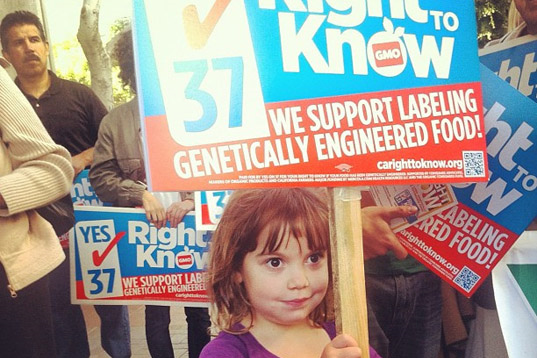



Oakland, CA (May 17, 2012) – Compass Natural, a leading public relations firm specializing in marketing and communications for the natural, organic, sustainable and socially responsible products sector, has joined the California Right to Know initiative calling upon State of California voters to require mandatory labeling of genetically engineered foods. Compass Natural will raise awareness, funding and voter support for the California initiative, which is considered by many to be the best hope in the United States to achieve labeling of genetically engineered foods.
A March 2012 survey conducted by the Mellman Group found that nine out of 10 American voters favor labeling for genetically engineered food, including nearly all Democrats (93%), Independents (90%) and Republicans (89%). More than 40 countries already require this type of labeling. The California Right to Know campaign turned in nearly a million signatures on May 2 to assure that the initiative will be on the state’s November ballot.
“As we build a broad coalition for this important ballot initiative, we are pleased to engage Compass Natural in helping us garner support within the natural, organic and sustainable products community — not only in California, but across the country,” said Stacy Malkan, media director for the California Right to Know initiative.
“In addition to voter support and endorsements by businesses throughout California and the U.S., fundraising will be a crucial part of the campaign,” stated Steven Hoffman, Managing Partner of Compass Natural and the person tasked with building a broad coalition of support for the initiative within the natural, organic and sustainable products industry.
“If recent events are any indication, large industry groups, such as the Grocery Manufacturers Association and the Council for Biotechnology Information — whose members include Monsanto, DuPont, Dow and others — will pour funds into fighting the California initiative. We need the resources to ensure that the facts about labeling reach voters, without distortion, so they can make an informed choice when casting their ballot in November,” Hoffman said.
In the past year, lawmakers in 19 states, including New York, Connecticut and Vermont, have introduced bills that would require similar labeling rules, but none have become law, largely due to aggressive lobbying campaigns by companies that are opposed to transparency in the food system.
The California Right to Know Genetically Engineered Food Act will be voted on by California voters in November 2012. When passed, the initiative will require foods sold in California retail outlets that contain genetically engineered ingredients to be labeled. “Building a broad coalition is essential to winning the campaign,” stress campaign organizers.
Individuals, businesses and organizations can help in several ways, including donating and volunteering. If you’re a business or organization dedicated to natural, organic and sustainable products, contact Steven Hoffman at Compass Natural, email steve@compassnatural.com, tel 303.807.1042, to contribute to the campaign and learn more. For information about the California Right to Know 2012 ballot initiative, visit www.carighttoknow.org.
About the California Right to Know 2012 Ballot Initiative. The California Right to Know campaign was created to advocate for the labeling of foods containing genetically engineered ingredients. Major supporters include Public Citizen, Sierra Club, American Public Health Association, United Farm Workers, California Certified Organic Farmers, Organic Consumers Association, Consumer Federation of America, Nature’s Path, Lundberg Family Farms, Organic Valley, Dr. Bronner’s, Eden Foods, Mercola.com, Center for Food Safety, Food Democracy Now!, and many other organizations. For a complete list, visit www.carighttoknow.org/endorsements.
About Compass Natural Marketing. Established by organic and LOHAS industry veteran Steven Hoffman, Boulder, CO-based Compass Natural Marketing brings more than 25 years of experience in natural and organic products sales, marketing, public relations, communications, research, event planning and strategic industry guidance to businesses involved in the $290 billion market for natural, organic, sustainable, and socially responsible products. Visit www.compassnatural.com, contact info@compassnaturalmarketing.com or call 303.807.1042.