
2026 Federal Hemp Ban: Understanding the Legislative Paradox Reshaping the Consumable Hemp Market
This article first appeared in the July 2026 issue of Presence Marketing’s newsletter.
By Steven Hoffman
For years, the natural products industry has served as the tip of the spear for plant-based wellness and agricultural innovation. Independent health food stores, natural grocery chains and co-ops were among the first to educate American consumers on the endocannabinoid system. They were the pioneers who brought hemp-derived CBD to the mainstream, championing a botanical remedy that offered millions relief from pain, anxiety and inflammation without the intoxicating effects of traditional marijuana.
Thanks to the 2018 Farm Bill, which legalized commercial hemp cultivation, a vibrant supply chain emerged. From the regenerative organic farmer cultivating the crop to the innovative manufacturer formulating tinctures and topicals, to the retailer curating wellness aisles, the hemp economy blossomed into a formidable market. According to Inc. Magazine, the hemp sector is now valued at a staggering $28.4 billion, supporting more than 300,000 jobs nationwide.
Yet, as we move through the summer of 2026, this thriving ecosystem faces an existential threat. A looming federal ban, passed quietly as a rider in a 2025 appropriations bill, threatens to decimate the consumable hemp market by the end of the year.
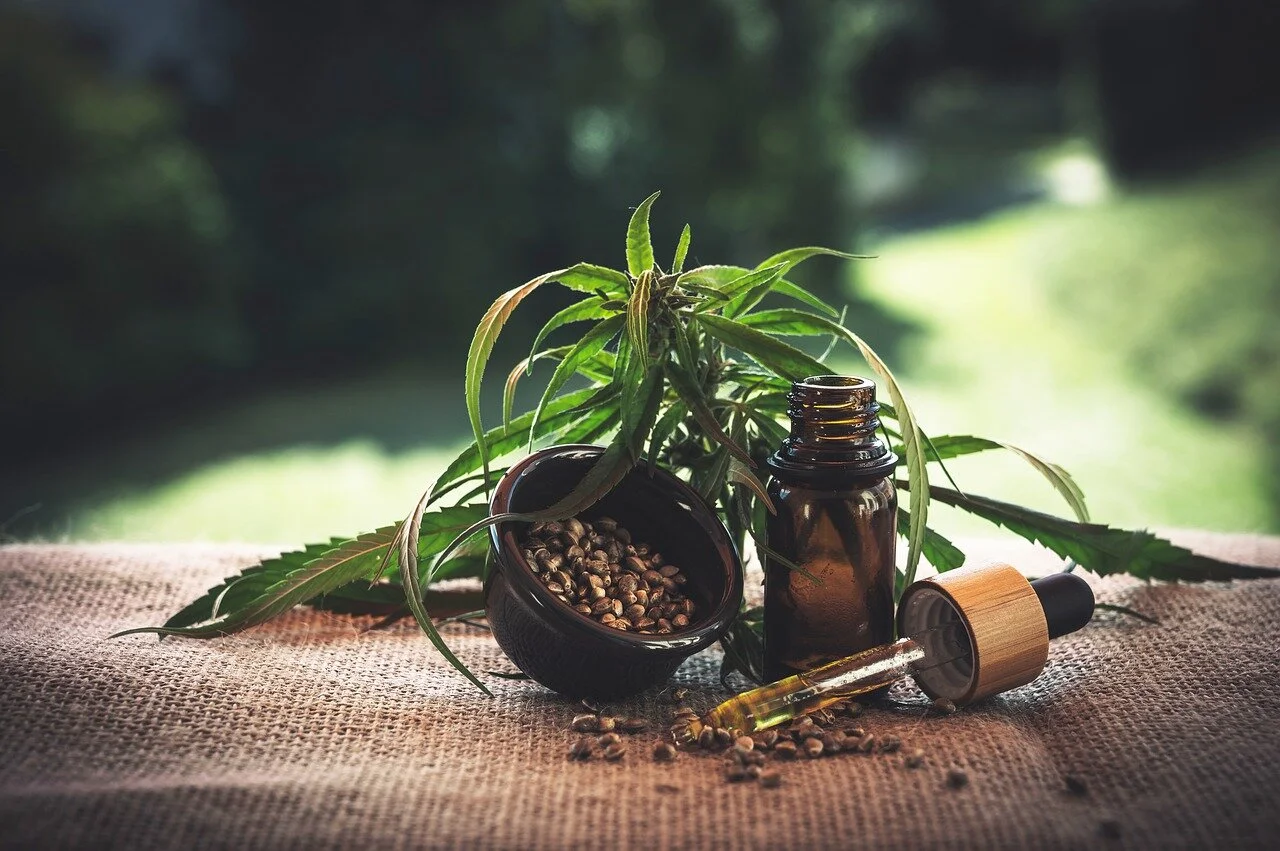
At the exact moment the federal government is taking historic steps to deregulate and reschedule marijuana, it is simultaneously moving to criminalize the non-intoxicating, therapeutic hemp products that natural products retailers have safely sold for years. For business owners, executives, and professionals in the natural and organic food market, understanding the mechanics of this ban, the paradox of federal cannabis policy, and the ongoing fight for agricultural seed sovereignty is critical to navigating the turbulent months ahead.
Section 781 and the November 12 Deadline
The crisis stems from the Appropriations Act for 2026, signed into law on Nov. 12, 2025, to end a government shutdown. Buried within the legislation was Section 781, a provision orchestrated largely by Representative Andy Harris (R-MD), who presides over the House Appropriations Subcommittee on Agriculture, and bolstered by the legislative weight of Senator Mitch McConnell (R-KY), that fundamentally redefines legal hemp in the United States.
Under the 2018 Farm Bill, hemp was defined as cannabis containing less than 0.3% delta-9 THC on a dry-weight basis. Beyond the promise of food and fiber products derived from hemp, this definition allowed for the proliferation of full-spectrum CBD products, which naturally contain trace amounts of THC. However, it also created a loophole that allowed chemists to synthesize intoxicating cannabinoids—like delta-8 THC and THCA—from legal hemp CBD, leading to a flood of unregulated, intoxicating products in convenience stores and gas stations across the country.
Rather than creating a robust regulatory framework to address synthetic intoxicants, Congress opted for a blunt instrument. As detailed by Vicente LLP, Section 781 shifts the definition of hemp to a "total THC standard" (0.3% total THC, inclusive of THCA and delta-8). More devastatingly, the law caps final-form hemp-derived cannabinoid products at a microscopic 0.4 milligrams of total THC per container.
Absent intervening legislation, this restrictive standard takes effect on Nov. 12, 2026. Because even non-intoxicating, full-spectrum CBD products naturally contain more than 0.4 milligrams of trace THC per container, the new law essentially throws the baby out with the bathwater. According to the U.S. Hemp Roundtable, the ban will render approximately 95% of existing hemp-derived cannabinoid products federally unlawful.
As Forbes recently noted, the new rules will knock out popular, non-intoxicating CBD products that consumers rely on daily. For natural products retailers, this means that the tinctures, gummies, and functional beverages currently driving significant foot traffic and revenue will likely become contraband overnight. According to Recovered.org, the law will stringently restrict the possession and sale of these products, particularly in states where marijuana remains illegal.
Retailers and Producers Raise the Alarm
The impending ban has sent shockwaves through the natural products supply chain. Retailers who meticulously vetted brands for organic certification, clean extraction methods and third-party testing are now facing the prospect of emptying their shelves of CBD products.
Local businesses and wellness practitioners are raising the alarm, arguing that federal policymakers have fundamentally misunderstood the products they are banning. "We have the backing of medical professionals in Lancaster, in Pennsylvania, and across the country that refer their patients to us for pain relief," Heather Kreider, owner of Hempfield Botanicals in Lancaster, PA, told Fox43. "I'm a registered nurse myself. I'm also a cannabis educator, so I take what we do here very seriously. We're doing the right things here; however, those bad players are not, and they're the ones that are causing the issues."
The collateral damage extends beyond the retail sector and into federal healthcare initiatives. As reported by The Guardian, the hemp ban will effectively derail a highly anticipated Medicare pilot program designed to reimburse seniors for hemp-derived products. The model program, which launched just months ago, covered up to $500 per year for eligible Medicare patients utilizing CBD products. The federal ban undermines this progress entirely, cutting off affordable access to natural wellness for vulnerable populations.
As the Alliance for Natural Health argues, the ban is "built on broken science." By targeting the trace, naturally occurring cannabinoids in full-spectrum hemp, the government is effectively outlawing a botanical medicine that millions of Americans rely upon daily.
The Marijuana Rescheduling Paradox
Perhaps the most bewildering aspect of the 2026 federal hemp ban is the stark policy contradiction it creates within the broader cannabis landscape.
While the federal government is lowering the hammer on non-intoxicating hemp products, it is simultaneously taking historic steps to deregulate traditional, high-THC marijuana. In recent months, federal agencies have moved to reschedule marijuana from Schedule I to Schedule III under the Controlled Substances Act, recognizing its medical utility and reducing tax burdens for state-licensed dispensaries.
This creates a jarring paradox for grocery retailers and natural food vendors: The federal government is facilitating the growth of the intoxicating, highly regulated dispensary market while actively criminalizing the non-intoxicating hemp market historically sold in mainstream grocery aisles.
Reason magazine recently highlighted this hypocrisy, noting that Mitch McConnell's push for the hemp ban betrays the very industry he helped create through the 2018 Farm Bill. The prohibition destroys a thriving industry to solve a regulatory issue that individual states were already handling effectively.
The backlash against this paradox has prompted unexpected political alliances. In April 2026, President Donald Trump took to Truth Social to push Congress to save the industry. Following his administration's historic moves to protect medical marijuana, Trump stated he was calling on Congress to update the law "to ensure that Americans can continue to access the full-spectrum CBD products they have come to rely on ... while preserving Congress’s intent to restrict the sale of products that pose health risks."
Seed Sovereignty: The Hidden Threat of Section 781
While the consumer impact of the hemp ban has dominated the headlines, Section 781 contains a more insidious threat to agriculturalists: the erosion of seed sovereignty.
In the regenerative agriculture and organic farming communities, seed sovereignty—the right of farmers to save, breed, and exchange seeds free from corporate or government overreach—is a sacred tenet. Yet, the new federal definitions deeply compromise this right. As detailed by Grow Weed Easy, the new federal hemp and cannabis seed law dictates that viable seeds from high-THC plants are explicitly excluded from the definition of legal hemp, even if the seeds themselves contain zero THC.
This linguistic shift in the federal code has profound implications. Green State reports that this little-known federal rule could effectively make vast swaths of cannabis seeds illegal, paralyzing the nation's seed banks, agricultural research institutions, and independent farmers. Local businesses are already feeling the chilling effect. In Maine, the Fairfield Hemp Seed Company warned that the federal bill could lead to their closure, stripping farmers of access to reliable, region-specific genetics
Leading the charge against this agricultural overreach is the American Seed Innovation & Genetics Association (ASIGA). In a comprehensive white paper regarding Section 781, ASIGA meticulously outlines how the government's conflation of mature plant cannabinoids with the genetic potential of a seed stifles agricultural innovation.
By criminalizing seeds based on their potential future THC expression rather than on their current chemical makeup, the federal government is erecting massive barriers to entry for independent breeders. ASIGA argues that seeds are the essential foundation of agricultural diversity. Without the legal protection to trade and cultivate diverse cannabis genetics, the industry risks consolidating into the hands of a few well-capitalized, multi-state operators, directly contradicting the anti-monopoly ethos of the natural products industry. For organizations championing seed sovereignty and legal clarity, repealing or amending Section 781 is not just about saving CBD gummies; it is about defending a farmer's fundamental right to the seed.
The Legislative Scramble: Will Congress Intervene?
With the November 12 deadline approaching, the hemp industry has launched a desperate legislative scramble to save itself.
Several lawmakers have attempted to introduce rescue measures. In the House, Rep. James Comer (R-KY) and Rep. Andy Barr (R-KY) introduced bills and amendments aimed at establishing a comprehensive regulatory framework or delaying the ban entirely. Three U.S. House Republicans recently attempted to thwart the intoxicating hemp product ban during Farm Bill negotiations, and another GOP lawmaker is currently circulating a bill to keep hemp THC drinks federally legal. Furthermore, the intoxicating hemp industry is actively seeking a rescue in Congress.
However, the political reality is grim. Despite bipartisan lobbying efforts, the U.S. Congress has repeatedly blocked the latest rescue attempts. According to Marijuana Moment, top marijuana reform groups concede that Congress is unlikely to prevent the new federal ban this year.
The broader cannabis industry finds itself fractured. Some stakeholders in the licensed marijuana dispensary space view the hemp ban as a victory, eliminating competition from unregulated hemp-derived products. As Hemp Today reports, bipartisan lobbyists have joined the cynical cause as intoxicating hemp faces its endgame, resulting in a situation where the federal axe is finally falling on intoxicating hemp.
Unfortunately, the collateral damage of this infighting is the natural and organic food retailer, the hemp farmer, and the consumer relying on full-spectrum CBD.
How Retailers and Brands Can Prepare
As we stare down the barrel of November 2026, business leaders in the natural products sector must be pragmatic. Hoping for a last-minute congressional miracle is not a viable business strategy.
While the question of which products will disappear under the national hemp ban remains unanswered pending potential enforcement guidance, retailers and manufacturers must audit their supply chains immediately. Brands should consult with legal counsel to understand their exposure to the 0.4-milligram total THC limit per container. Retailers must review their vendor agreements and prepare for significant SKU rationalization in their wellness aisles.
However, as MJBiz Daily astutely points out, hemp THC regulation is inevitable, but it’s not a ban—and operators must prepare. The natural products industry must pivot from reacting to prohibition to actively advocating for intelligent, science-based regulation. This means supporting organizations like ASIGA in the fight for seed sovereignty, and aligning with groups like the U.S. Hemp Roundtable and others to demand strict age restrictions on sales (age-gating), cGMP manufacturing standards, and truthful labeling over outright bans.
The natural products sector is no stranger to navigating complex regulatory shifts, and while retailers will ultimately adapt to the loss or transformation of a popular wellness category, the 2026 Federal Hemp Ban poses a genuine threat to the farmers, formulators, and producers who built the $28 billion consumable hemp products market. Moving forward, the survival of the consumable hemp sector depends not on a return to the unregulated gray market, but on a unified industry push for sensible, safety-focused legislation. By advocating for mandatory age verification, stringent manufacturing standards and seed sovereignty rather than blunt prohibition, the trade can chart a sustainable path forward—one that protects consumers, preserves retail revenue streams, and defends the agricultural innovators who supply them.
Steven Hoffman is Managing Director of Compass Natural Marketing, a strategic communications and brand development agency serving the natural and organic products industry. Learn more at www.compassnatural.com.