
Federal Actions Focus on Greater Transparency for GMOs & Ultra-Processed Foods
This article first appeared in the September 2026 issue of Presence Marketing’s newsletter.
By Steven Hoffman
For years, leaders in the natural and organic products industry have advocated for a simple, fundamental consumer right: the right to know exactly what is in the food we eat. Despite the steady growth of the natural channel and the soaring consumer demand for clean labels, federal regulations have historically provided conventional food manufacturers with ample regulatory shelter. Through confusing digital disclosures, vague ingredient definitions, and self-certified safety standards, the conventional food sector has often avoided the level of transparency that natural and organic brands readily provide to their customers.
However, a confluence of landmark judicial and federal regulatory actions in August 2026 has signaled a significant paradigm shift. Within a single month, a federal court struck down the regulatory loophole allowing genetically modified organisms (GMOs) to be hidden behind QR codes, while the U.S. Department of Health and Human Services (HHS) and the U.S. Department of Agriculture (USDA) advanced efforts to formally define ultra-processed foods (UPFs) and tighten the oversight of self-certified food additives.
For business owners, executives, and professionals in the natural, organic, and regenerative agriculture markets, these actions validate decades of persistent advocacy. More importantly, they stand to reshape the competitive grocery landscape, potentially forcing conventional brands to reformulate their products or face a new era of mandatory, unavoidable on-package transparency.
The Demise of the QR Code Loophole
The movement toward transparent GMO labeling achieved a decisive victory when a federal district court issued a final remedy decision regarding the USDA's bioengineered food labeling rules. According to the Center for Food Safety, the court ruled that the USDA must rewrite its National Bioengineered Food Disclosure Standard by Jan. 1, 2028, effectively voiding the provisions that previously allowed companies to obfuscate GMO disclosures.
The litigation, which was championed by a coalition of natural food retailers and consumer advocacy groups—including Natural Grocers and PCC Natural Markets—targeted two specific, controversial loopholes in the original 2018 regulation. First, the USDA had allowed food manufacturers to use a digital QR code, text message, or web address as the sole method of disclosing bioengineered ingredients. Critics argued this was fundamentally discriminatory, as it placed an undue burden on consumers who either lacked smartphones, experienced poor internet connectivity in grocery aisles, or simply did not know that a digital scan was required to view ingredient information.
Second, the original rule exempted "highly refined" ingredients from being labeled as bioengineered if the modified genetic material was no longer detectable through standard DNA testing. This exemption allowed a vast swath of ultra-processed ingredients—such as highly refined corn syrup, canola oil and soy oil—to avoid GMO labeling entirely, even though they were derived from genetically modified crops.
As reported by Food Dive, the federal court has now mandated that the USDA close these loopholes. The court’s official vacatur order requires the agency to implement clear, on-package text or symbols and to comprehensively address the disclosure of highly refined, ultra-processed GMO ingredients.
The reaction from the natural products community has been swift and celebratory. Max Goldberg, editor and publisher of Organic Insider, noted in a recent LinkedIn post: “The headline that Big Food has been dreading. Why? Because the QR code loophole is dead. A federal court just ordered the USDA to rewrite its GMO labeling rules by January 1, 2028 — and this time, there's nowhere to hide. For years, up to 80% of GMO products dodged real disclosure. Sodas, cooking oils, ultra-processed staples — all slipped through. And when brands did 'disclose'? A QR code you needed a smartphone to scan. Not anymore. Clear on-package labels. Actual transparency. The right to know what's in your cart. Big shift coming for food brands. Bigger win for consumers.”
As noted by DTN Progressive Farmer, the ruling places the timeline squarely in the hands of the USDA, rejecting the agency's initial request to delay the implementation of new rules until 2029. According to Feedstuffs, the mandated January 2028 deadline means food manufacturers must begin auditing their supply chains immediately to prepare for the transition to mandatory on-package disclosures.
George Kimbrell, legal director for the Center for Food Safety, underscored the historical importance of the ruling. Speaking to Food Navigator, Kimbrell stated: “Yesterday's decision was the final nail in the coffin of the 2021 unlawful GMO labeling regulations. We are gratified that the district court, like the court of appeals before it, has agreed with our legal arguments and struck them down.”
Closing the GRAS Loophole and Modernizing Food Oversight
While the courts tackled GMO transparency, the executive branch moved to address the proliferation of chemical additives in the American food supply.
As announced on Aug. 10, 2026, HHS Secretary Robert F. Kennedy Jr. introduced two landmark food policy reforms designed to modernize federal oversight of ingredients. The most immediate regulatory shift involves a proposed rule to tighten the "Generally Recognized as Safe" (GRAS) designation.
For decades, the GRAS framework has served as a primary regulatory pathway for food manufacturers to introduce new ingredients into the market. Originally intended by Congress for common, historically well-understood ingredients like vinegar or baking soda, the GRAS provision has increasingly been utilized by companies to self-certify novel synthetic chemicals, preservatives, and artificial additives as safe. In many cases, companies could convene their own industry-funded expert panels to determine safety, effectively bypassing the U.S. Food and Drug Administration (FDA) review process altogether.
According to Food Business News, the proposed HHS rule will fundamentally alter this dynamic by requiring food and animal feed manufacturers to formally notify the FDA whenever they conclude that a new substance added to food meets the GRAS criteria. By ending the era of secret, self-certified additives, the administration aims to ensure that the FDA can properly review the safety data of novel ingredients before they ever enter the food supply.
This move has drawn widespread support from medical professionals and health experts who have long criticized the FDA's lack of authority over food additives. Former FDA Commissioner Scott Gottlieb voiced his support, stating that the reform is important because the FDA has generally lacked sufficient authority to meaningfully regulate these substances. This shift aligns closely with the long-standing demands of natural health advocates, who have consistently warned about the cumulative health impacts of unchecked synthetic chemicals.
The Drive to Define Ultra-Processed Foods
Alongside the GRAS rule proposal, the federal government took an unprecedented step toward formally defining a category of food that has dominated recent nutritional research and public health discussions: ultra-processed foods (UPFs).
As reported by Food Safety Magazine, the FDA and the USDA jointly submitted a white paper to the Office of Management and Budget (OMB) for final review, proposing the first-ever federal definition of ultra-processed foods. While there are international frameworks—such as the NOVA classification system developed by researchers in Brazil—the United States has historically lacked a uniform, statutory definition for UPFs.
Establishing a formal definition is far more than a semantic exercise. As highlighted by Food Industry Executive, the submission of the definition as a white paper signals a foundational step toward widespread regulatory changes. Once a federal definition is established and finalized, it can be utilized across multiple government agencies to shape public policy. This could eventually impact everything from the composition of the Dietary Guidelines for Americans and the National School Lunch Program to the eligibility of certain products within the Supplemental Nutrition Assistance Program (SNAP).
HHS Secretary Robert F. Kennedy Jr. emphasized the urgency of the initiative. “Nearly 60% of the American diet is made up of ultra-processed foods, and childhood obesity now affects more than one in five American children,” Kennedy noted in a statement. “We cannot reverse America’s chronic disease epidemic without transforming our food system.”
Writing for The Atlantic, journalist Nicholas Florko noted that Kennedy’s push to define ultra-processed foods is a central pillar of the administration's "Make America Healthy Again" (MAHA) agenda. By creating a standardized metric for what constitutes an ultra-processed food, the administration is laying the groundwork for a broader public health campaign aimed at reducing the consumption of heavily refined, additive-laden products that have been linked to rising rates of diet-related chronic diseases. As health advocates have pointed out, reining in UPFs is fundamental to tackling chronic disease in America, and establishing a federal definition is the required first step.
Industry Pushback and the Economic Argument
Unsurprisingly, these swift regulatory changes have encountered vocal resistance from conventional food industry groups and free-market advocates. The prospect of reformulating products, updating packaging to remove QR codes in favor of explicit text, and submitting GRAS ingredients for rigorous federal review represents a significant operational cost for legacy food manufacturers.
According to a statement from Americans for Tax Reform (ATR), the new food proposals advanced by HHS threaten to disrupt supply chains and increase consumer costs. ATR argued that by growing the regulatory state and enforcing stricter definitions on processed foods, the administration will invariably drive up the cost of manufacturing. “HHS’s new food proposals would raise grocery prices and grow the regulatory state,” the group warned, suggesting that the financial burden of compliance will ultimately be passed down to consumers at the checkout counter.
Conventional industry trade associations have echoed similar concerns regarding the GMO labeling mandate. They argue that replacing digital QR codes with on-package text could clutter labels and confuse consumers who are already overwhelmed by existing nutritional information. They further contend that highly refined oils and sugars derived from bioengineered crops are chemically identical to their non-GMO counterparts, arguing that forcing a bioengineered label on these ultra-processed ingredients is scientifically unnecessary and economically punitive.
A Competitive Advantage for the Natural Channel
Despite the pushback from the conventional food sector, the recent federal actions represent a profound validation for the natural, organic, and regenerative agriculture industries. For decades, independent retailers and natural product brands have voluntarily adhered to higher standards of transparency, often bearing the financial cost of non-GMO verification, organic certification, and clean-label formulation without any federal mandate requiring their competitors to do the same.
The death of the QR code loophole effectively levels the playing field. When conventional brands are forced to explicitly disclose the presence of bioengineered ingredients on their packaging by January 2028, consumers will be able to make direct, side-by-side comparisons in the grocery aisle. This increased visibility is expected to drive even greater consumer migration toward certified organic and Non-GMO Project Verified products, categories that already serve as the bedrock of the natural products industry.
Furthermore, the federal drive to define ultra-processed foods aligns perfectly with the core philosophy of the natural channel. Independent natural and organic food stores have long prioritized whole foods, minimally processed ingredients, and regenerative agricultural practices over synthetic formulations. If federal nutrition programs eventually integrate the new UPF definition to disincentivize the purchase of highly processed items, the market demand for nutrient-dense, clean-label alternatives will likely accelerate.
The closure of the GRAS loophole further reinforces consumer trust in the natural sector. As the FDA gains greater visibility into the synthetic additives utilized by conventional manufacturers, consumers will become increasingly aware of the chemical complexities inherent in highly processed diets. Brands that are committed to simple, recognizable, and transparent ingredient panels will find themselves perfectly positioned to capture the market share of health-conscious shoppers seeking refuge from synthetic additives.
Looking Ahead: The Path to 2028
While the regulatory wheels have been set in motion, the transition will not occur overnight. The USDA now faces a mandated deadline of Jan. 1, 2028, to finalize and implement the new bioengineered food disclosure rules. Concurrently, the proposed UPF definition and the GRAS notification rule must navigate the federal review process, including periods for public comment and potential revisions by the Office of Management and Budget.
For business owners and leaders in the natural products sector, the immediate path forward requires sustained vigilance and proactive consumer education. Retailers and manufacturers should begin preparing marketing and merchandising strategies that highlight their existing commitments to transparency, non-GMO sourcing, and minimal processing.
As the federal government finally moves to mandate the transparency that the natural channel has championed for decades, the industry is entering a new era. The days of hiding ingredients behind digital links and self-certified safety designations are drawing to a close. For the natural, organic, and regenerative food market, this is not just a regulatory victory; it is an affirmation of a business model built on integrity, health, and the consumer's fundamental right to know.
Steven Hoffman is Managing Director of Compass Natural Marketing, a strategic communications and brand development agency serving the natural and organic products industry. Learn more at www.compassnatural.com.
Trump Signs EO on Regenerative Agriculture While EPA Approves More Toxic Forever Chemicals
This article first appeared in the August 2026 issue of Presence Marketing’s newsletter.
By Steven Hoffman
The summer of 2026 has delivered a dizzying regulatory whiplash for the natural, organic, and regenerative agriculture industry. On one hand, the phrase "regenerative agriculture" has officially reached the highest echelons of federal policy, recently enshrined in a presidential executive order and championed loudly under the populist "Make America Healthy Again" (MAHA) banner.
On the other hand, a quiet but aggressive rollout of toxic synthetic "forever chemicals," deep cuts to public health and agricultural inspection funding, and sweeping executive and legal victories for the agrochemical lobby tell a starkly different story.
For business owners, executives, and retailers in the natural and organic products sector, this legislative and regulatory environment presents a highly volatile mixed bag. We are witnessing a fundamental tension between the administration's public health rhetoric and its actual regulatory execution. As consumers increasingly look to the natural channel for transparency and safety, understanding these seismic shifts is critical.

Here is a comprehensive look at how recent federal actions, courtroom reversals, and public health fallouts are redefining the business of food and agriculture from the soil to the shelf.
The Biofuel Pivot: Is It True Regenerative Agriculture?
On June 25, 2026, President Donald Trump signed Executive Order 14414, formally titled Advancing Regenerative Agriculture and Strengthening American Farm Resilience. The directive instructs the U.S. Department of Agriculture (USDA), the Environmental Protection Agency (EPA), and Health and Human Services (HHS) to expand precision farming, streamline agricultural innovation, and evaluate cumulative chemical exposures in the food supply.
Simultaneously, USDA Secretary Brooke Rollins introduced a final Regenerative Feedstock Rule. Rather than injecting expansive new government subsidies into direct federal conservation or organic transition programs, the administration’s approach is entirely market-driven. As detailed by the Western Ag Network, the new USDA framework ties directly into the 45Z Clean Fuel Production Tax Credit, utilizing an updated "Feedstock Carbon Intensity Calculator" to connect on-farm practices with biofuel supply chains.
In practice, this allows massive conventional corn, soybean, and sorghum producers to document specific farming practices—such as no-till or cover cropping—and market their harvests at a premium to ethanol and biofuel producers. The goal is to incentivize carbon reduction without imposing federal mandates.
While market-based incentives for carbon reduction sound promising, advocates and organic farmers are raising the alarm. Many view this framework as a blatant co-opting of the regenerative movement by Big Ag. True regenerative agriculture—as pioneered by the organic movement—focuses on eliminating toxic inputs, restoring biodiversity, and building soil health to grow nutrient-dense food. Critics argue that the administration is simply repackaging the term "regenerative" into a carbon-scoring mechanism to subsidize industrial biofuel production, all while continuing to allow the use of synthetic pesticides and fertilizers on those very same crops. For natural products retailers, this underscores the urgent need to differentiate true regenerative organic food from conventional crops participating in carbon tax credit programs.
Funding Volatility and a Courtroom Rebuke
This pivot toward corporate biofuel subsidies has been accompanied by aggressive cuts to programs meant to support small-scale and marginalized farmers.
The administration’s new executive order did not add net-new financial outlays; rather, it shifted approximately $700 million within existing agency budgets to fund its new pilot programs. To balance the books and fulfill a mandate to eliminate what it deemed wasteful spending and "diversity, equity, and inclusion (DEI)" initiatives, the USDA abruptly canceled the Increasing Land, Capital, and Market Access Program (ILCMA) earlier this year. Originally a $300 million initiative to help Black, Native American and historically underserved farmers secure land and financing, the program was canceled earlier this year over alleged administrative and DEI-related concerns.
However, the administration’s aggressive funding cuts recently hit a major legal wall. On June 30, U.S. District Judge Beryl Howell granted a preliminary injunction ordering the USDA to restore $127 million in canceled grants to 24 organizations while litigation continues. The plaintiffs successfully argued that the USDA unlawfully terminated the awards based on arbitrary keyword searches rather than on performance or merit. This courtroom rebuke is a massive victory for grassroots agricultural groups and reinforces the USDA's legal obligation to honor its contracts with the young and first-generation farmers who represent the future of the nation’s specialized food supply.
In another piece of rare, positive news for the natural products sector, the USDA recently announced that the organic certification cost-share funds have finally been released. These funds are a vital lifeline for small- to mid-sized organic operations, reimbursing them for a portion of the financial burden required to maintain their rigorously audited USDA Organic certifications. The release of these funds will help stabilize the organic supply chain as farmers finalize their operational budgets for the coming year.
#ChemGate and PFAS Proliferation
While the administration touts its commitment to farm resilience, its environmental regulatory arm is moving in a dangerously contradictory direction.
In early July 2026, the EPA quietly fast-tracked the approval of three new toxic pesticides containing PFAS (per- and polyfluoroalkyl substances)—commonly known as "forever chemicals." The hazardous new herbicides—trifludimoxazin, diflufenican, and epyrifenacil—can now be sprayed directly on major food crops, including wheat and citrus. According to the Environmental Working Group (EWG), EPA scientists themselves flagged one of these chemicals as having "suggestive evidence of carcinogenic potential."
This decision brings the total number of PFAS pesticides greenlit by the current EPA to five in under two years. These chemicals do not break down in the environment; they accumulate in the soil, the water table, and ultimately, the human bloodstream, where they are linked to immune system suppression and severe reproductive health issues.
The regulatory failure extends to the FDA, which recently refused a formal petition to set strict limits on forever chemicals in food, leaving consumers entirely unprotected from the downstream effects of the EPA's pesticide approvals.
Food industry visionary and financial analyst Robyn O’Brien has aptly dubbed this crisis "#ChemGate." O'Brien warns that when regulatory bodies become hopelessly captured by the chemical lobbying arms they are meant to oversee, the entire integrity of the American food supply collapses. For natural products retailers, the EPA's quiet unleashing of forever chemicals onto conventional produce serves as the ultimate marketing imperative for the organic seal. As conventional agriculture becomes increasingly saturated with indestructible synthetic toxins, the rigorously audited, “no toxic synthetic pesticides” promise of the organic aisle transforms from a premium lifestyle choice into a fundamental public health necessity.
The Glyphosate Betrayal: A Fracture in the MAHA Alliance
The tension between the populist MAHA movement and the administration’s actual policy execution reached a breaking point this year over the world’s most notorious herbicide: glyphosate.
The fracture began in February 2026 when President Trump issued an executive order invoking the Defense Production Act to mandate and protect the domestic production of glyphosate (the active ingredient in Roundup), citing national security and food supply chain resilience. The order granted broad liability immunities, infuriating MAHA advocates who had championed the administration on the promise of health reform. As Environmental Working Group President Ken Cook noted at the time, the move was viewed by many wellness advocates as a "direct assault" on the MAHA platform and a great gift to the chemical lobby.
This administrative protection was recently compounded by a landmark decision from the nation's highest court. This summer, the U.S. Supreme Court ruled in favor of agrochemical giant Bayer regarding its glyphosate-based weedkiller. The ruling effectively blocks thousands of state-level "failure-to-warn" lawsuits, determining that federal EPA label approvals preempt state laws that might otherwise require cancer-warning labels on toxic pesticides.
This decision essentially grants a liability shield to pesticide manufacturers, protecting them from plaintiffs alleging they were not properly informed about the severe health risks associated with chronic glyphosate or other chemical pesticide exposure.
For the MAHA movement, the executive protections and the Supreme Court ruling exposed a deep rift between the political rhetoric of "making America healthy" and a regulatory reality that actively insulates the chemical agriculture industry from legal consequence. As reported by Grist, attempts to appease MAHA's fury over the Roundup rulings have largely backfired, leaving health-freedom advocates feeling profoundly betrayed. Protests have taken place outside the Supreme Court, signaling that the coalition of health advocates that helped propel the administration into office is fracturing over its failure to regulate Big Chem.
The Public Health Fallout: The Cost of Cutbacks
The consequences of prioritizing corporate deregulation and cutting federal research and inspection budgets are not abstract; they are already playing out in real time across the nation's supply chains and emergency rooms.
The current administration has initiated historic cutbacks in public health funding, FDA food inspections, and USDA agricultural research. The result is a regulatory apparatus that is operating with severe blind spots, and the public is paying the price.
In recent weeks, an explosive food-borne Cyclospora outbreak has swept across the United States, causing severe, prolonged gastrointestinal illness. Cyclospora is a microscopic parasite transmitted through feces and typically linked to contaminated fresh produce. As of July 2026, the parasite has sickened thousands of Americans across at least 34 states, with the Midwest bearing the brunt of the crisis. In Ohio, the Cleveland Clinic reported a staggering jump in lab testing, skyrocketing from just one test per day to nearly 200 as symptomatic patients flooded local hospitals.
The federal response has been heavily hindered by recent agency rollbacks. Due to severe staffing shortages and budgetary cuts at the Centers for Disease Control and Prevention (CDC)—which recently made the tracking of certain foodborne illnesses optional—federal case data has drastically lagged behind real-time state-level reporting. Without a robust, centralized federal tracing apparatus, state health investigators have been left to piece together the puzzle on their own. While early interviews strongly point to lettuce and salad greens as the leading suspected source, a specific grower, brand, or supplier has yet to be definitively named by federal authorities.
As local health departments scramble to track the outbreak's expanding footprint across the country, this unresolved crisis raises grave questions about the ability of gutted federal agencies to adequately monitor the safety of the conventional food supply. When the government can no longer proactively track and trace a pathogen, the burden of food safety falls entirely on the retailer and the private supply chain.
Simultaneously, the agricultural sector is battling a devastating screwworm outbreak affecting livestock. For decades, the USDA successfully managed the threat of the New World screwworm—a parasite that feeds on the living tissue of warm-blooded animals—through robust research and sterile insect release programs. However, recent reductions in federal research funding and the mass exodus of USDA researchers who are refusing mandatory relocations have compromised the agency's ability to maintain these critical biological defense lines, resulting in a crisis for ranchers and a direct threat to the meat supply chain.
The Strategic Path Forward for the Natural Channel
As we survey the current landscape, the mandate for the natural, organic and regenerative products industry is unmistakably clear. We can no longer rely on federal tailwinds, government definitions, or public safety nets to protect our consumers or our food supply.
When the federal government co-opts the term "regenerative" to subsidize industrial biofuels, unleashes PFAS forever chemicals onto conventional crops, shields glyphosate manufacturers from liability, and defunds the agencies responsible for keeping parasites out of our produce, the conventional food system ceases to be a safe default for the American family.
In this environment of deep institutional failure, the natural products channel stands as the last line of defense.
Retailers, brands and investors must step into the regulatory void and double down on uncompromising transparency. We have an opportunity to educate customers on the profound difference between a federally subsidized "regenerative" biofuel crop and rigorously audited USDA Certified Organic and Regenerative Organic Certified (ROC) food systems.
Furthermore, private capital must continue to step forward. To truly scale clean agriculture, the private sector needs to prioritize funding the organic transitions, the local supply chain infrastructure, and the independent agricultural research that the federal government is actively abandoning.
The agricultural policies of 2026 are indeed a mixed bag—heavy on chemical appeasement and light on actual public health reform. But out of this chaos emerges a profound opportunity. As the conventional system compromises itself, the value proposition of the natural, organic, regenerative, and specialty food industry has never been more vital, more distinct or more essential to the future of human health and environmental resilience.
Steven Hoffman is Managing Director of Compass Natural Marketing, a strategic communications and brand development agency serving the natural and organic products industry. Learn more at www.compassnatural.com.
How a Surprise Vote on Pesticides Reshaped the 2026 Farm Bill
This article first appeared in the June 2026 issue of Presence Marketing’s newsletter.
By Steven Hoffman
The U.S. food and agriculture sector is navigating a pivotal transition as new legislative actions and regulatory shifts take shape. Recent developments in Washington are establishing a new policy landscape that business owners, brand executives, retailers, and farmers in the natural, organic, and regenerative space will need to monitor closely.
On April 30, the U.S. House of Representatives passed the Farm, Food, and National Security Act of 2026 by a vote of 224–200, marking the first major movement on a Farm Bill since 2018. However, for a natural and organic industry that has now grown into a $325.2 billion market, according to the Natural Foods Merchandiser 2025 Market Overview, the current legislation has drawn mixed reactions regarding its alignment with modern agricultural practices and evolving consumer demand.

As the bill moves to the Senate, where its passage remains uncertain, it introduces a mix of regulatory adjustments, funding reallocations, and structural reorganizations. These legislative changes, combined with a concurrent restructuring at the U.S. Department of Agriculture (USDA), present both operational challenges and new market dynamics for the natural products industry.
The following is an overview of these policies, the political context, and the business implications for the regenerative and organic food supply chain.
The MAHA Movement and a Shift in Pesticide Regulation
One of the most notable developments to emerge from the House Farm Bill debates was a bipartisan vote regarding pesticide oversight—a legislative shift influenced in part by the Make America Healthy Again (MAHA) movement.
For months, the drafted Farm Bill contained language designed to federally preempt states from requiring health and cancer warning labels on pesticides, a provision intended to protect agrochemical manufacturers from state-level lawsuits. However, the House voted, 280-142, to strip this pro-pesticide language from the bill.
According to Politico, this vote represents a major win for MAHA-aligned Republicans and Democrats. The amendment to remove the shield was championed by Rep. Anna Paulina Luna (R-Fla.), who had signaled she would oppose the entire Farm Bill if the protections remained. Despite pressure from House Agriculture Chair G.T. Thompson (R-Pa.), who argued the shield was necessary to prevent “frivolous lawsuits” and to protect crop yields, 73 Republicans joined the majority of Democrats to remove the provision.
This legislative fight highlights the increasing complexity of food politics. As reported by the Montana Free Press, Bob Quinn, a renowned organic kamut farmer from Big Sandy, Montana, noted his surprise at the outcome, acknowledging the historical influence of the pesticide lobby. Interestingly, six Democrats representing regions with heavy pesticide use voted with the chemical industry to bar state labels, showcasing the fact that regional agricultural interests often intersect with party lines.
The removal of the liability shield is being hailed as a significant public health and environmental victory. According to Friends of the Earth, stripping the shield affirms that corporations selling chemicals linked to human health concerns should not be insulated from state-level oversight. Similarly, Kathleen Merrigan, executive director of the Swette Center for Sustainable Food Systems, told FoodTank that the MAHA movement has pushed the pesticide issue to a "tipping point" in food policy.
Even conservative outlets are analyzing this shift. An op-ed in Fox News questioned the broader coherence of a Farm Bill that maintains high levels of agrochemical support while elements of the party simultaneously back MAHA principles.
The Business Takeaway: For natural and organic CPG brands, this development provides a distinct market signal. Consumers are increasingly attentive to the use of synthetic inputs. With states retaining the right to mandate health warnings on conventional, chemically treated products, the value proposition of the USDA Organic label and third-party certifications like Regenerative Organic Certified (ROC) will likely strengthen. Brands should continue to emphasize transparency and clean-label marketing, as the regulatory contrast between conventional and organic agriculture becomes more visible.
Organic Legislation: Modest Progress Amid Broader Funding Cuts
While the pesticide provision's removal was a focal point, the broader Farm Bill presents a challenging framework for the organic and sustainable agriculture sectors.
The Organic Trade Association (OTA) noted that the House-passed bill includes some important wins for organic agriculture, but it stressed that federal policy must evolve to support the sector proactively rather than treat it as an "afterthought." Despite the industry's significant retail footprint, the National Organic Coalition warned that the legislation "largely assumes a stagnant organic marketplace rather than making the targeted investments needed to support continued growth."
Critiques of the bill suggest it continues to heavily favor industrial agribusiness. According to Friends of the Earth, the legislation reduces critical conservation funding—including a $1 billion cut to the Environmental Quality Incentives Program (EQIP)—while shifting resources toward subsidies for larger agribusiness operations. Furthermore, the bill attempts to override voter-approved laws such as California’s Proposition 12, which mandates humane animal welfare standards, potentially invalidating numerous state and local measures on food safety and environmental protection.
Conservation programs remain a cornerstone of the regenerative movement. As The Nature Conservancy highlights, the Farm Bill typically provides roughly $6 billion annually for conservation work on private working lands. Reducing these incentive-based programs may stifle farmers' ability to transition to climate-smart, soil-building practices.
The National Sustainable Agriculture Coalition (NSAC) states that the bill "falls unmistakably short" in addressing the current needs of farmers. NSAC points out that producers are currently facing abrupt trade policy shifts and federal workforce reductions. Earlier this year, the USDA began freezing and terminating held contracts, disrupting planning for the 2025 and 2026 planting seasons for many small and mid-sized producers.
SNAP Policy Changes and Food Access
Another critical component of the House Farm Bill is its approach to nutrition assistance. The legislation outlines $187 billion in cuts to the Supplemental Nutrition Assistance Program (SNAP), alongside expanded work requirements for certain demographics and stricter eligibility rules, according to Food & Wine.
The Center on Budget and Policy Priorities estimates that one in eight participants could lose access to some form of food relief as a result of these measures. Kathleen Merrigan noted via FoodTank that food pantries are already seeing increased demand, a trend that could accelerate later in the year as the cuts take full effect.
The Business Takeaway: SNAP funding is integral to the broader grocery economy, injecting tens of billions of dollars into retail annually. Reductions in food purchasing power can cause a ripple effect across the entire grocery ecosystem. Natural and organic retailers, who have increasingly integrated SNAP benefits to democratize access to healthier foods, may see shifts in consumer purchasing behavior. Brands and retailers will need to evaluate pricing strategies and explore ways to maintain accessibility without compromising on product integrity.
Organizational Restructuring at the USDA
Alongside the legislative process in Congress, recent administrative and structural changes within the USDA under Secretary Brooke Rollins are impacting the organic community's oversight and funding mechanisms.
Recent reports indicate a rollback of infrastructure designed to support alternative agriculture. In a recent op-ed published by Civil Eats, it was noted that the USDA abruptly canceled $300 million in contracts for the Increasing Land, Capital, and Market Access Program (ILCM). This program was established to help underserved and first-generation farmers overcome barriers to entry; its termination halts 50 community-based agricultural projects nationwide.
Staffing challenges within the USDA are also drawing attention. According to the Federal News Network, a significant majority of USDA researchers tapped for an agency relocation have declined to move, raising concerns about a potential reduction in agricultural research capacity.
This staffing shift directly affects the organic sector. According to industry watchdog OrganicEye, the National Organic Program (NOP)—which oversees certification within the $76 billion organic products market—has reportedly seen staff reductions of up to 30%. In addition, Secretary Rollins delayed appointing five members to the 15-member National Organic Standards Board (NOSB) prior to their spring meeting.
Consequently, the NOSB convened in Omaha last month with only 10 members. OrganicEye reported that this lack of representation for key constituencies—such as farmers, consumers, and scientists—strays from the original intent of the Organic Foods Production Act of 1990, leading to concerns that business conducted during the meeting could face legal challenges.
Personnel reductions extend to the Natural Resources Conservation Service (NRCS), a key agency assisting farmers with soil health improvements. As reported by Organic Insider, the NRCS has reportedly lost approximately 22% of its staff, leaving offices in several vital agricultural states operating with limited personnel. This comes shortly after the launch of a $700 million pilot program aimed at boosting soil health, raising questions about the agency's capacity to administer the new funds effectively.
The cumulative impact of these changes is placing significant pressure on producers. Food industry analyst Robyn O'Brien highlighted this convergence of factors on her Substack, noting that farmers are currently facing "a convergence of policy decisions, tariffs, immigration crackdowns, energy freezes, [and] budget cuts" that threaten operational stability.
The Senate's Role and the Path Forward
With the House-passed Farm Bill viewed by many as highly partisan and unlikely to pass the Senate in its current form, industry stakeholders are focusing their attention on the upper chamber. Senate markups are expected in June, and differing legislative priorities are already emerging.
Sen. Adam Schiff (D-Calif.), a new voice on the Senate Agriculture Committee, has outlined a contrasting legislative vision. According to AgInfo, Schiff’s priorities include enhanced support for specialty crops, regional food systems, organic agriculture, and expanded fruit and vegetable purchasing within federal food programs. Additionally, Schiff has stated his intention to oppose any Farm Bill language that overrides state-level animal welfare standards like California’s Proposition 12, while advocating for the protection of SNAP benefits.
Industry Implications and Next Steps
For business leaders in the natural, organic, and regenerative agriculture sectors, navigating this transition requires strategic adaptation. The legislative and regulatory events of the past month underscore a shift in federal support structures for sustainable food systems.
With government grants for new farmers being canceled, adjustments to the organic oversight board, and proposed reductions in conservation funding, the private sector may need to assume a larger role. As noted by Organic Insider, brands, investors, and retailers have an opportunity to privately fund transition programs, invest in supply chain resilience, and cultivate direct, supportive partnerships with farmers managing these macroeconomic pressures.
At the same time, the industry can look to align with the shifting priorities of consumers. The bipartisan rejection of the pesticide liability shield demonstrates that shoppers across the political spectrum are prioritizing clean food, transparency, and corporate accountability. Industry advocacy will remain crucial as the Senate drafts its version of the Farm Bill—urging investments in organic research, the protection of nutrition assistance, and policies that recognize regenerative agriculture as a key component of the nation's food economy.
As agricultural policy continues to be debated in Washington, it is essential for the natural products industry to remain engaged, ensuring that future legislation supports the health of the soil, the economic viability of the farmer, and the well-being of the consumer.
Steven Hoffman is Managing Director of Compass Natural Marketing, a strategic communications and brand development agency serving the natural and organic products industry. Learn more at www.compassnatural.com.
Legislative Initiatives Mount to Lower Grocery Prices and Ban Surveillance Pricing
This article first appeared in Presence Marketing’s March 2026 newsletter.
By Steven Hoffman
As the food and beverage industry moves deeper into 2026, the narrative governing the grocery aisle has shifted from simple supply chain economics to a complex battlefield of technology, privacy, and political maneuvering. While headline inflation has ostensibly cooled from its post-pandemic peaks, the lived reality for the American consumer remains one of relentless sticker shock—a reality that is now precipitating a wave of legislative interventions at both the state and federal levels.
For retailers and manufacturers, the signal from Washington and state capitals is clear: the era of unrestrained pricing strategies may be drawing to a close. A bipartisan recognition of consumer distress is fueling a two-pronged legislative assault. On one flank, lawmakers are targeting the raw costs of goods through tax repeals and affordability agendas. On the other, they are taking aim at the very mechanisms of modern retail—specifically, the emerging use of artificial intelligence and data-driven "surveillance pricing."
The Economic Context: A Slowing Pace, But Rising Pain
To understand what’s driving the current legislative landscape, one must look at the data. According to NPR, grocery prices have surged between 30% and 40% since 2019, fundamentally altering the economics of the American household.
While the pace of increases is technically slowing, the trajectory remains upward. As reported by Progressive Grocer, the January Consumer Price Index (CPI) from the U.S. Bureau of Labor Statistics (BLS) showed a 0.2% rise in food-at-home prices for the month and a 2.1% increase over the last 12 months.
The pain is not distributed equally across the store. The data shows that five of the six major grocery store food group indexes increased yet again in January:
Cereals and bakery products rose 1.2%
Dairy and related products increased 0.8%
Meats, poultry, fish, and eggs inched up 0.2%
Both the nonalcoholic beverages and fruits and vegetables category saw a slight rise of 0.1%
Independent analysis paints an even starker picture. The ConsumerAffairs Datasembly Shopping Cart Index reported a nearly 6% year-over-year climb in January. The cost for their basket of everyday items jumped from $147.71 in January 2025 to $156.43 in January 2026. This $8.72 increase was driven largely by coffee, cereal, and paper products, though staples like eggs and butter offered modest relief.
The Drivers: Tariffs, Labor, and “Sentiment”
Industry analysts are quick to point out that these price hikes are not occurring in a vacuum. A complex web of federal policy decisions is actively influencing shelf prices.
Foremost among these are tariffs. A report from the Council on Foreign Relations highlights that 65% of Americans now view tariffs as a primary driver of unaffordability. The Yale Budget Lab estimates that recent trade policies will likely increase food prices by 1.4% in the short run. This is already visible in the coffee aisle, where prices soared after the Administration imposed tariffs as high as 50% on major importing countries like Brazil—a move Consumer Federation of America likens to a "$200 billion federal sales tax."
Furthermore, labor dynamics linked to immigration enforcement are creating disparities between retail and foodservice. Prices for "food away from home" rose significantly more (4.1%) in 2025 than "food at home" (2.4%), reflecting the higher proportion of labor costs in prepared foods.
However, Jayson Lusk, head of agricultural economics at Purdue University, notes a critical psychological component for the industry to consider. "Consumer anxiety is increasingly driven by food prices and tariffs, not inflation as a general economic concept," Lusk told the Council on Foreign Relations in February. It is this anxiety that politicians are rushing to assuage.
The New Target: “Surveillance Pricing”
Perhaps the most significant development for retail technology vendors and data analysts is the emergence of "surveillance pricing" as a legislative target. Surveillance pricing refers to the practice of using consumer data—purchase history, location, and even biometric data—to set personalized prices or fluctuate prices in real-time based on demand. As retailers invest millions in Electronic Shelf Labels (ESLs) and AI-driven dynamic pricing models to optimize margins, lawmakers are characterizing these tools as predatory.
Leading the charge against this practice is the Stop Price Gouging in Grocery Stores Act of 2026. Introduced in the Senate on February 12 by Jeff Merkley (D-OR) and Ben Ray Luján (D-N.M.), the bill explicitly bans corporations from "leveraging new technologies" to raise grocery prices. "The bill aims to prohibit retail food stores from price gouging and engaging in surveillance-based price setting practices," the Senators stated in a press release.
In the House, Rep. Rashida Tlaib (D-MI) introduced companion legislation, H.R. 4966, which targets "personalized price gouging" where she claims stores use consumers’ sensitive personal information against them to raise prices. “The majority of Americans are stressed about rising grocery prices,” said Rep. Tlaib. “While our neighbors struggle, corporate grocery chains are feeding customer data into algorithms to decide who can be charged more. Companies should not be allowed to use electronic labeling or your personal information to charge you a higher price. We need to ban corporate price gouging and surveillance pricing.”
The Union Push
This legislative push is being bolstered by organized labor. The United Food and Commercial Workers International Union (UFCW), representing 1.2 million workers, has launched the "Affordable Groceries and Good Jobs Campaign."
According to Store Brands, this national effort seeks to ban surveillance pricing and target the growth of AI-driven technology in grocery stores. The union argues that these technologies not only harm consumers but potentially devalue retail labor. For the industry, this signals a potential alignment between consumer advocacy groups and labor unions that could create a powerful lobbying block against retail automation.
The “Affordability Agenda” in Congress
Beyond the calls for specific bans on tech-enabled pricing, a broader "Affordability Agenda" is taking shape in the House, championed by the New Democrat Coalition, a group of of 115 House Democrats “who work across the aisle and across the Capitol to advance innovative, inclusive, and forward-looking policies.”
Congresswoman Janelle Bynum (D-OR), in collaboration with the New Democrat Coalition, recently unveiled a roadmap focusing on lowering five key costs, including household essentials like groceries. Similarly, Reps. Nikki Budzinski (D-IL) and Chrissy Houlahan (D-PA) published an opinion piece outlining plans to address these "core costs crushing working Americans."
"The American people need a real plan to make life more affordable," Budzinski and Houlahan wrote, criticizing any dismissals of affordability concerns.
This rhetoric is intensifying along partisan lines. Congresswoman Susie Lee (D-NV) on February 17 released a report utilizing House Budget Committee data to argue that the current administration's economic agenda is directly responsible for higher costs. "Families in Nevada were promised lower prices. Instead, President Trump and Republicans in Congress have delivered higher grocery bills," Lee stated in a press release, pointing specifically to tariffs as a crushing weight on working families.
Arizona Senator Mark Kelly, too, pressed the administration for more action on food costs. In a February 5 statement, Sen. Kelly called on the current administration to work with Congress to lower food prices. “Arizona families cannot continue to bear the cost of rising food prices. I encourage you to take swift action and work with us to lower the price of food for American families. Thank you for your attention to this urgent matter,” Kelly said.
State-Level Actions: Bans and Tax Cuts
While Washington debates, state legislatures are moving with speed. The approaches vary wildly depending on the political makeup of the state, presenting a patchwork compliance risk for national chains.
New York: Democrats have introduced two aggressive bills. The Protecting Consumers and Jobs from Discriminatory Pricing Act specifically targets grocery stores and pharmacies, prohibiting personalized algorithmic pricing and electronic digital shelving labels. A broader bill, the One Fair Price Act, would ban most businesses from using personal data to make prices fluctuate. As reported on February 11 by News10, these bills would empower the New York Attorney General to sue companies and, crucially, allow private citizens to sue when they believe they are victims of price discrimination.
Maryland: Similar momentum is building in Annapolis. Maryland Matters reported on January 20 that HB0148, which would prohibit the use of personal or biometric data in price setting, has already begun committee hearings. The bill, backed by Maryland Governor Wes Moore, targets the "customized prices" enabled by AI, despite objections from retail advocates who argue dynamic pricing can also benefit consumers through personalized discounts.
Tennessee & Missouri: In conservative-leaning states, the legislative weapon of choice is tax relief. In Tennessee, State Rep. Mike Sparks (R-Smyrna) filed the Fresh Food Affordability Act (House Bill 2086), which would eliminate the state sales tax on fresh fruits and vegetables. In Missouri, Senate Bill 1239, sponsored by Sen. Mary Elizabeth Coleman (R-Arnold), aims to end both state and local sales tax on food and grocery items. "I am looking to increase affordability for Missourians as prices rise," Coleman told the Columbia Missourian.
The Looming Data Void
Amidst this flurry of activity, a quiet bureaucratic decision may hamper the industry's ability to understand the full scope of the crisis. The Center on Budget and Policy Priorities (CBPP) reported in February that the USDA is ending its 30-year-old annual survey on food security, beginning with the cancellation of data collection for 2025.
This comes at a time when food insecurity remains stubbornly high—affecting 47.9 million people in 18.3 million U.S. households in 2024—and as SNAP benefits face historic cuts. The CBPP warns that "the absence of this data will make it harder for policymakers, researchers, and the public to measure the harm inflicted" by rising food costs.
Implications for the Industry
For the food and beverage sector, the message is multifaceted. The "tech-forward" future of retail—dynamic pricing, facial recognition, and hyper-personalization—is colliding with a populist backlash. Retailers investing in these technologies must now price in the risk of strict regulatory prohibitions.
Simultaneously, the foundational costs of doing business are shifting. Tariffs are raising input costs, while state-level tax repeals may offer some demand-side relief. As legislative initiatives mount, the industry must prepare for a year where the price on the shelf is determined as much by the statehouse as it is by the supply chain.
Steven Hoffman is Managing Director of Compass Natural Marketing, a strategic communications and brand development agency serving the natural and organic products industry. Learn more at www.compassnatural.com.
Industry Leaders Respond to USDA’s Funding Announcement for Regenerative Agriculture
This article first appeared in the January 2026 issue of Presence Marketing’s newsletter.
By Steven Hoffman
U.S. Secretary of Agriculture Brooke Rollins, alongside U.S. Health and Human Services (HHS) Secretary Robert F. Kennedy, Jr., and Centers for Medicare & Medicaid Services Administrator Mehmet Oz, M.D., on December 10 announced a $700 million Regenerative Pilot Program to help American farmers adopt practices that improve soil health, enhance water quality, and boost long-term productivity, all while building a healthier, more resilient food system, said USDA. According to the release, HHS also is investing in research on the connection between regenerative agriculture and public health, as well as developing messaging to explain this connection.
“Protecting and improving the health of our soil is critical not only for the future viability of farmland, but to the future success of American farmers. In order to continue to be the most productive and efficient growers in the world, we must protect our topsoil from unnecessary erosion and improve soil health and land stewardship. Today’s announcement encourages these priorities while supporting farmers who choose to transition to regenerative agriculture. The Regenerative Pilot Program also puts farmers first and reduces barriers to entry for conservation programs,” said Secretary Rollins.
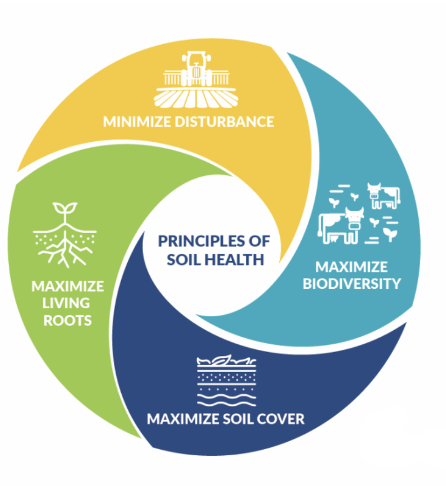
Administered by USDA’s Natural Resources Conservation Service (NRCS), the new Regenerative Pilot Program is designed to deliver a streamlined, outcome-based conservation model—empowering producers to plan and implement whole-farm regenerative practices through a single application. In FY2026, the Regenerative Pilot Program will focus on whole-farm planning that addresses every major resource concern—soil, water, and natural vitality—under a single conservation framework. USDA said it is dedicating $400 million through the Environmental Quality Incentives Program (EQIP) and $300 million through the Conservation Stewardship Program (CSP) to fund this first year of regenerative agriculture projects. The program is said to be designed for both beginning and advanced producers, ensuring availability for all farmers ready to take the next step in regenerative agriculture.
To support the program, NRCS is establishing a Chief’s Regenerative Agriculture Advisory Council “to keep the Regenerative Pilot Program grounded in practical, producer-led solutions,” USDA said. The Council will meet quarterly, with rotating participants, to advise the Chief of NRCS, review implementation progress, and help guide data and reporting improvements. Its recommendations will shape future USDA conservation delivery and strengthen coordination between the public and private sectors.
USDA also said it is permitting public-private partnerships as part of the Regenerative Agriculture Initiative (RAI), claiming that such partnerships will allow USDA to match private funding, thus stretching taxpayer dollars further, and bringing new capacity to producers interested in adopting regenerative practices.
We asked leaders in regenerative agriculture to weigh in on USDA’s announcement. Here’s what they had to say:
Hannah Tremblay, Policy and Advocacy Manager, Farm Aid
As a strong supporter of regenerative agriculture, Farm Aid welcomes USDA’s funding announcement for regenerative agriculture, but the lack of details about the program's specifics means we're unable to give a full response or analysis. From the few details that have been provided to date, this looks like a streamlining of processes and possible restructuring of existing funding, but does not appear to represent new funding for these programs.
The chronic underfunding and oversubscription of the EQIP and CSP programs – two crucial conservation programs – are ongoing problems that this administration and Congress have not addressed. The recent budget bill passed by Congress makes it easier for large operations to disproportionately use EQIP and CSP dollars by removing payment limits and Adjusted Gross Income (AGI) requirements. Policies like these make these programs less accessible to small and diversified farming operations and do a disservice to family farmers who are trying to enact conservation practices.
This sudden embrace of regenerative agriculture flies in the face of the other policies we've seen from this administration, including canceling the Climate Smart Commodities Program, EPA's fast tracking of pesticides and cuts to USDA's NRCS staff, who are crucial to helping farmers implement soil health practices.
Matthew Dillon, Co-CEO, Organic Trade Association
There are still many details to come in the implementation of the NRCS regenerative program, but the Organic Trade Association (OTA) is always supportive of programs that help farmers transition to improved management of their natural resources. It would appear that it will give farmers an à la carte menu of practices that they can select and create a less burdensome bundled approach with NRCS. If we can make it easier for farmers to better care for natural resources, that’s a good outcome.
The optimal outcome would be for farmers to have integrated and holistic conservation plans, like those that organic farmers do in their annual Organic System Plan. And ideally, that would include pesticide mitigation plans for those farmers who are conventional. Hopefully for some of these farmers it will be an on-ramp to exploring opportunities in organic markets.
At the end of the day, policy incentives will only go so far in rewarding farmers for ecosystem services – markets and consumers are essential. Organic is the only third party, verified, backed-by-law marketplace that does that. We will work to make sure organic farmers have adequate access and get recognition in these programs.
Ken Cook, Executive Director, Environmental Working Group
Basically, I’m pretty skeptical of the Regenerative Pilot Program. If you look at all of Robert F. Kennedy, Jr.’s big talk during the Trump campaign and then during the transition regarding subsidies, $700 million rebranded from existing programs (with multi-billion-dollar budget baselines that a lot of us built and defended) is hardly the bold action he promised. The emphasis on efficiency and red tape is interesting—whole farm plans that originated in the 1930s and 1940s in the old Soil Conservation Service (SCS) are all about paperwork and red tape, and going back, a lot of us in the conservation world (and reformist elements within NRCS) pushed the agency to focus on practices aimed at priority lands/problems. Reformers in NRCS in the 1980s and after always felt whole-farm plans were make-work that resulted in career advancements (and documents on farmers’ shelves) but not necessarily conservation on the ground.
There was no emphasis at the press conference announcing the program on reducing pesticides. Nor was there any emphasis on aiming some of the money at organic, the only system out there that does fulfill the MAHA rhetoric from farm to grocery shelf.
And of course, during the Biden administration there was so much emphasis in regenerative circles on climate progress via carbon farming, carbon sequestration, farmers selling carbon credits, and so on, but those words and objectives have been forbidden by USDA. (We always thought the carbon stuff was way oversold—and not needed to justify lots of benefits from mixed crop-livestock farms, longer more diverse rotations, cover crops and other sensible practices that…have also been around and under-deployed by farmers since the 1930s despite BILLIONS spent by taxpayers on free technical assistance and cost-sharing).
Then of course there are the ‘antithesis-of-MAHA’ cuts to vital programs earlier this year to get local food to schools and food banks, the reductions in NRCS staff to do those whole-farm plans, and the massive, multi-billion-dollar subsidies that have been paid in tariff reparations to big commodity operations—whose payment limits have been generously increased to make sure the biggest operations get the most money.
Christopher Gergen, CEO, Regenerative Organic Alliance
The Regenerative Organic Alliance (ROA) welcomes the USDA’s announcement of a new Regenerative Pilot Program as an important signal of federal commitment to advancing healthier soils, more resilient farms, and stronger rural economies. We applaud this growing recognition that agriculture must go beyond extraction toward restoration, a core belief that has guided our work since the creation of the Regenerative Organic Certified® (ROC™) standard.
As USDA begins shaping the program’s criteria and implementation, ROA encourages alignment with the rigorous, holistic principles that define regenerative organic agriculture: improving soil health, ensuring dignified and fair conditions for farm workers, and supporting the humane treatment of animals. These three pillars are foundational to the ROC framework and have proven essential to achieving long-term ecological, economic and community benefits.
We are encouraged that the USDA acknowledges the role of organic systems in regenerative agriculture. ROC builds on USDA Organic as a necessary baseline for eliminating toxic synthetic pesticides, fertilizers, and GMOs — inputs that undermine soil biology, water quality, pollinator health, and farmworker safety. ROC then goes further by requiring additional soil health practices, pasture-based animal welfare, and fair labor conditions.
As decades of peer-reviewed research and field evidence show, regenerative practices alone cannot fully deliver intended environmental outcomes if they allow routine use of synthetic chemicals. The scientific record also shows that organic systems, including those that strategically use tillage for weed control in lieu of herbicides — consistently build soil carbon, increase water retention, reduce erosion, and improve microbial diversity. We encourage USDA to ensure that any regenerative agriculture program reflects this evidence by prioritizing systems that avoid toxic inputs and protect both ecological and human health.
The rapid expansion of regenerative claims creates both opportunity and risk. Without clear definitions, rigorous standards, and third-party verification, the regenerative category is vulnerable to greenwashing and consumer confusion. Independent analysis has shown that some non-organic regenerative labels allow herbicides, GMOs, synthetic fertilizers, and minimal verification, which could undermine public trust and the credibility of the entire regenerative movement.
With the right structure, USDA’s initiative can accelerate the transition to a food and fiber system that heals the land, strengthens rural communities, and ensures a healthier future for all; a vision that drives our mission every day. ROA looks forward to engaging with USDA as this pilot advances and to contributing our expertise, data, and proven frameworks to help shape a regenerative future rooted in integrity, transparency, and meaningful impact.
Jeff Tkach, Executive Director, Rodale Institute
Rodale Institute welcomes the USDA’s announcement of the new Regenerative Pilot Program and views it as an important signal that soil health, farm resilience, and long-term productivity are increasingly central priorities within American agriculture. This moment reflects a growing federal recognition that healthy soil is foundational to a secure food system, climate resilience, and human health.
For more than 78 years, Rodale Institute has led the science and practice of regenerative organic agriculture, long before “regenerative” entered the policy lexicon. Through the longest-running side-by-side comparison of organic and conventional farming systems in North America, Rodale Institute has demonstrated that regenerative organic agricultural practices can improve soil health, enhance water quality, increase resilience to extreme weather, and support farm profitability.
With a national network of research hubs, education initiatives and farmer training programs, Rodale Institute has helped producers across regions and production systems transition to regenerative organic practices rooted in measurable outcomes and continuous improvement. This experience, coupled with our leadership as a founding member of the Regenerative Organic Alliance, positions Rodale Institute as a critical partner in ensuring that regenerative initiatives are clearly defined, science-based, and deliver real, lasting benefits for farmers, communities, and the environment.
As the USDA advances this pilot program, Rodale Institute stands ready to contribute its decades of research, farmer-centered expertise, and leadership to help guide its success. By keeping soil health at the center of agricultural policy and practice, we can continue building a food system that supports productive farms, nourishing food, and healthy people, now and for future generations.
Paige Mitchum, Executive Director, Regen Circle
This Regenerative Agriculture Pilot Program is not new. It is a carve-out from the existing Farm Bill’s conservation funds using the same forms, rankings and field offices. The key difference is that they were processing proposals differently. Under the Climate Smart Commodities Program the process went USDA ↔ big project ↔ farmer. This pilot now routes money through individual NCRS contracts so the process flows as NRCS ↔ farmer. This sounds cleaner unless the agency in the middle just lost 20% of its staff, as is the case with the NRCS.
By doing away with the big projects intermediaries you lose the support provided by states, tribes and NGOs whose role was to recruit farmers, do measurement verification and reporting, provide technical assistance and handle smaller payments. Without this the NRCS will need significantly more bandwidth to handle a direct to farmer approach. But they aren’t staffing up; the FY2026 plan indicated further personnel reductions, leaving me to draw only one conclusion: The regenerative pilot program will be woefully under resourced, forcing them to accept applications from large well-resourced operations leaving small and vitally important producers on their own.
In a nine‑day window in December, the administration: backed pesticide maker Bayer in court, poured billions into the most glyphosate‑dependent crop systems, and then unveiled a sub‑billion-dollar regenerative agriculture pilot program as its health‑and‑soil solution. Once again this administration has brilliantly cut social infrastructure and meaningful programs that were supporting small farmers in regenerative transition, shielded a flagship herbicide company from liability, bailed out large monocultures, and in exchange handed us a small carve-out of existing programs with zero new infrastructure or any credible way of executing said program. As such, this reads more as a marketing scheme than it does meaningful policy work, and I hope that the private sector can step up and support the small holder farmers at the heart of the regenerative movement.
They took away the mountain we were slowly, imperfectly but intentionally building, they took a shovel and put a small mound of dirt aside and said, take this and enjoy the view.
Read Page’s full article here.
André Leu, D.Sc., BA Com., Grad Dip Ed., International Director, Regeneration International
In theory, this is a great initiative. Improving soil health through regenerative practices has been long overdue. Most farmers, including many organic farmers, need to adopt these methods. In reality, it will depend on who is selected to sit on the Chief’s Regenerative Agriculture Advisory Council. If it is composed of regenerative and organic farmers, it will be credible. If they repeat the NOSB (National Organic Standards Board) model, it will be hijacked by academics, NGOs and agribusiness. It will be an exercise in greenwashing, promoting no-till Roundup-ready GMOs and other degenerative practices. I don't have confidence that, given the USDA's history with the organic sector, they will choose the credible option.
Alexis Baden-Mayer, Political Director, Organic Consumers Association
I've been looking into where the money's coming from for the Regenerative Agriculture Pilot Program and how much has been allocated versus taken away. This is money Congress appropriated for two regenerative agriculture programs (the Environmental Quality Incentives Program and the Conservation Stewardship Program) with a total annual budget of $4.515 billion. So, if $700 million is going to regenerative, that means $3.815 billion (84%) of EQIP and CSP funds will be going to factory farms and pesticide-drenched genetically modified field crops. Admittedly, Trump's USDA isn't the first to misappropriate these funds this way, but it is the first to celebrate it.
Earlier this year, the USDA refused to disburse $6.062 billion appropriated by Congress for family famers adopting regenerative agriculture practices and serving local markets. Now we're now supposed to be happy because the USDA is earmarking $700 million for regenerative agriculture? I feel like they're trying to convince us two pennies is more than a dollar bill because two is more than one.
Max Goldberg, Founder, Editor and Publisher of Organic Insider
The USDA's announcement of about $700 million dedicated to regenerative agriculture puts the spotlight on the importance of soil health at a critical time and is extremely welcome. Yet, whether this program can actually deliver tangible results to America's farmland remains a serious uncertainty, and there are two questions that must be answered.
First, does the USDA have adequate on-the-ground technical staff to assist farmers in executing regenerative practices while also measuring soil health improvements? Second, will this program actually lead to a reduction in pesticide use? Only time will tell, but the level of skepticism is very high that the funds will be spent in an efficient manner and this will result in meaningful progress.
Dan Kane, Lead Scientist, MAD Agriculture
The Regenerative Agriculture Initiative (RAI), also called the Regenerative Pilot Program (RPP), is a program announced by Secretary Rollins on Dec. 10, 2025. The press release from USDA describes it as a $700 million pilot program for FY2026 focused on helping farmers transition to regenerative practices.
The RAI is not a new program but instead a repackaging of existing USDA Natural Resources Conservation Service (NRCS) conservation programs, including the Environmental Quality Incentives Program (EQIP) and the Conservation Stewardship Program (CSP). Nor does the RAI designate new funding towards either of these programs and the practices they target. It will likely function as a priority national funding pool producers can apply to with some minor modifications to requirements and the application process. Efforts by the prior administration to increase funding to key regenerative practices and the regenerative agriculture community more broadly through the Inflation Reduction Act (IRA) would have provided greater funding overall in FY2026 and beyond.
The IRA added approximately $19.5 billion into USDA conservation programs above and beyond 2018 Farm Bill funding levels over a period of four fiscal years (FY2023-FY2028). EQIP would’ve been expanded by $8.45 billion over that period, with about $3.45 billion of that coming in FY 2026 for a combined total of $5.5 billion in FY2026. CSP would’ve received $3.25 billion over that period with $1.5 billion coming in FY2026 for a combined total of $2.5 billion in FY2026.
Given all the shifts in funding, and the reallocation of IRA funds to CSP and EQIP baseline spending enacted through the One Big Beautiful Bill Act (OBBB), RAI is effectively funded through the reallocation of IRA funds. But, considering the reduction in total funding, it’s still not net new spending compared to what would’ve happened had IRA stayed in place. Although the OBBB increased baseline EQIP and CSP funding over a longer time period, the Congressional Budget Office still estimates that the rescission and reallocation of IRA funds will result in a net decrease of approximately $2 billion in actual conservation spending through FY2034.
While some of the changes included in this program (bundling applications, whole farm planning, soil testing) are good ideas, they’re ideas that NRCS has already applied through other programs. Major reductions in NRCS staff and proposed changes to how the NRCS is structured are likely to limit total capacity and reduce agency efficiency and function. Last, the elimination of income eligibility caps and the potential integration of public/private partnerships into the program raise concerns that this program and USDA conservation programs writ large will end up primarily serving very large farmers and agribusiness interests.
Any USDA programming focused on regenerative agriculture is a welcome addition to the financial stack for producers. No doubt we at Mad Agriculture will keep this program in mind as a potential option for the producers with whom we work. But this is a small win in comparison to the huge loss that came through the rescission/reallocation of IRA funds.
Read MAD Agriculture’s full analysis of USDA’s Regenerative Agriculture Initiative here.
Charles "Chuck" Benbrook, Ph.D., Founder, Benbrook Consulting Services
Chuck Benbrook is the former Chief Science Officer of The Organic Center; former Research Professor, Center for Sustaining Agriculture and Natural Resources, Washington State University; and former Director, National Academy of Sciences Board on Agriculture
As someone who has been deeply involved in soil conservation policy, I was excited to see this announcement from the USDA Natural Resources Conservation Service (NRCS). With $700 million committed in the next fiscal year, it's a pretty substantial investment in regenerative agriculture. The hope is that it will go on with continued, and hopefully increased, funding.
As I read the announcement for the Regenerative Pilot Program, it seems to be a clear recognition by the USDA that soil health and what is needed to enhance the biological integrity and health of the soil has to be a very high priority. In fact, on par with controlling physical erosion. And I think that's the right direction. That's how we're going to lower the cost of production. That's how we're going to clean up water and start dealing with all these rural areas with ridiculously high levels of nitrate in everybody's drinking water. It's how we're going to deal with resistant weeds. Dealing with soil biology at this point is the most important and lowest hanging fruit for healing what ails us.
I think there are two aspects to the significance of USDA's announcement. One, it recognizes farmers anywhere along the continuum, from conventional, chemical-dependent farmers to regenerative organic producers. Wherever you are along the continuum, if you want to move toward a more diversified, resilient, less chemical-dependent system, you have to make multiple changes simultaneously and timed correctly to succeed.
I also think the NRCS approach of entering into customized contracts with growers that start from where they're at and finance the next round of changes in their farming systems, which could include changes in rotations, tillage, cover crop management and water management, is a good one.
It's also a positive that it's a streamlined administrative process where the farmer basically comes in with a proposal and works with the local NRCS and farm services agency staff to come up with how much the cashier payment will be next year and presumably for subsequent years for the practices that are adopted. Of course, one of the big concerns that people have is how progress is going to be monitored and quantified in a convincing way. Also, like everyone, I'm curious to see the details of how NRCS is going to structure the contracts.
My wish with this program is that smaller producers will have as much access as larger operators, however the fact is, those big commodity farmers tend to get favored when it comes to grants. Yet, I didn't see anything in the announcement to suggest that the NRCS is going to take into account the size of the farm in allocating the available funds. But let's face it, the larger, more sophisticated, often multi-owner, farms are going to be in the door first with well thought out proposals.
Regarding the appointment of an Advisory Council to help oversee the Regenerative Pilot Program, I think (USDA) Secretary Rollins has had a constructive series of conversations with people that come out of the organic and regenerative community. I also think she'll insist that a few folks from that world are on this advisory committee. But, you know, if past is prologue, the soybean growers will have a rep, the cotton council will have a rep and the pesticide industry will have a couple of reps. And it might not be somebody that's working actively for a pesticide manufacturer today, but it could be someone who has deep roots in that community. They may be an academic now. They may work for a consulting firm, but you know, the politics inside these federal agencies is really brutal.
The NRCS regenerative program has great potential to be the fulcrum to start the transition towards more diversified, sustainable regenerative systems, but for it to work in a meaningful way at scale, it has to be combined with a similar negotiated change in how commodity program subsidies and crop insurance subsidies are currently supporting agriculture. And that's the core idea behind what we're working on now called the Farm Economic Viability and Renewal Act, or FEVER Act, to help spark discussion among agriculture community leaders and policymakers of the systemic reforms in policy needed to avoid ever-larger bailouts in the not-too-distant future.
The large sums of taxpayer money at play — over $40 billion in farm support in 2025, and likely even more in 2026 — heighten the urgency of reaching agreement on substantive policy changes. The pressing challenge is to not invest taxpayer dollars during 2026 and beyond in bigger and better band aids, but instead in support of the deeper, systemic changes in farming systems that most farmers, advocates for healthier rural communities, scientists, and policy wonks know are needed.
Companies interested in partnering with USDA NRCS in the Regenerative Pilot Program can email regenerative@usda.gov for more information. Farmers and ranchers interested in regenerative agriculture are encouraged to apply through their local NRCS Service Center by their state’s ranking dates for consideration in FY2026 funding. Applications for both EQIP and CSP can now be submitted under the new single regenerative application process.
Steven Hoffman is Managing Director of Compass Natural Marketing, a strategic communications and brand development agency serving the natural and organic products industry. Learn more at www.compassnatural.com.
Food Inflation in the U.S.: A Strategic Reckoning for Food Sector Leaders
This article first appeared in the September 2025 issue of Presence Marketing’s newsletter.
By Steven Hoffman
In 2025, food inflation in the United States has transformed from a passing concern into a defining business challenge—and opportunity—for leaders across the food ecosystem. A 3% year-over‑year increase in overall food prices, including 2.4% for groceries and 3.8% for restaurant meals, may seem modest. Yet beneath those figures lie sharper, more disruptive trends: surging prices in staples such as coffee, ground beef, and eggs; strategic responses from consumers and retailers; and structural pressures that demand both resilience and reimagining. Business strategists in the food sector must now lead with insight, not just facts.
A Collision of Climate, Cost, and Policy
Climate volatility continues to drag on food supply and costs. Extreme drought in U.S. cattle belts, heat waves in crop regions, and pest outbreaks such as avian flu have propelled food inflation beyond headline figures. Coffee is up 13.4%, ground beef 10.3%, while eggs have spiked 27.3%, putting extraordinary strain on manufacturers and squeezing household budgets (Axios).
Adding to the upward pressure are sweeping tariffs introduced by the Trump administration, with tariffs on imports from Brazil and India reaching 50%. The tariffs are already working their way into the cost of everything from meat and produce to metals used in cans and packaging (The Washington Post). According to the Yale Budget Lab’s estimates as of August 7, 2025, consumers face an overall average effective tariff rate of 18.6% – the highest since 1933 – and the impact is projected to cost U.S. households an extra $2,400 per year.
Meanwhile, immigration enforcement over the past several months has destabilized farm labor. In California’s Oxnard region, intensified ICE activity has slashed agricultural labor by 20-40%, leading to $3-7 billion in crop losses and driving produce prices up 5% to 12%, according to research published in August 2025 from Cornell University. Simultaneously, cuts in SNAP and other supports have strained both consumer access and farm revenue—especially for smaller producers—plus, grocers in rural communities and elsewhere that depend on SNAP programs feel that impact much harder (Climate and Capital Media).
Beyond cost drivers, the retail margin picture is fraught. Analysis from the White House Council of Economic Advisers showed grocers’ profit margins rising 2 percentage points since before the pandemic—reaching two-decade highs—while “shrinkflation” and package downsizing quietly preserve profitability (Grocery Dive).
FMI—The Food Industry Association’s study released in July 2025, “The Food Retailing Industry Speaks 2025,” reveals an industry struggling to navigate challenging economic conditions, largely due to policies implemented during the Trump administration. According to FMI, about 80% of both retailers and suppliers anticipate that trade policies and tariffs will continue to affect pricing and disrupt supply chains. Most grocers expect operating costs to remain high (Supermarket News).
Consumers Are Stressed About Rising Prices
Recent polling reveals that nearly 90% of U.S. adults are stressed about grocery prices—with half calling it a major stressor. As a result, Americans are responding to these pressures with pragmatic and inventive shifts. Consumers across income levels are tightening the belt, leveraging buy-now-pay-later options, getting creative with savings, and turning to food banks when they must (AInvest).
Shopping behavior reflects this anxiety—and innovation. RDSolutions reports that 86% of consumers now buy private-label products, with price cited as the primary decision factor; 42% opt for cheaper alternatives; while 20% skip items altogether. Data from The Feedback Group shows 61% of supermarket shoppers use sale-driven habits—buying on promotion, eating more at home, and choosing store brands over national names (Progressive Grocer). Meanwhile, many households lean on grocery hacks such as careful list-making, midweek shopping, loyalty programs, and bulk purchases to maximize savings (Times of India).
Even amid tightening budgets, shoppers haven’t completely abandoned pleasure, however. KCI’s “stress index” reveals that consumers crave “affordable luxuries” and product discovery—seeking balance between taste and value. In fact, 68% of consumers surveyed prioritize taste over price, while one-third still prioritize lowest-priced options (Food Dive).
In a fresh produce market reeling from the effects of inflation and immigration enforcement, one consumer trend remains strong: Health continues to drive purchases of fresh fruits and vegetables. According to The Packer Fresh Trends 2025 report, published in August 2025, 72% of shoppers say their primary reason for buying produce is to support a healthy lifestyle. However, price pressures loom larger than ever, with 44% of consumers now saying that cost is the top factor in deciding what to buy, up from 39% last year. As households juggle tighter budgets, they’re opting for familiar staples over experimenting with newer or higher-priced options (Farm Journal).
For lower income individuals and families, higher food prices are resulting in less consumption of healthier food options, with the result that Americans are not eating enough fruits, vegetables, and other nutrient-dense foods. Instead, they are choosing sugary and ultra-processed foods, which tend to be cheaper and last longer.
"There's evidence that inflation continues to shape food choices, particularly for low-income Americans who prioritize price over healthfulness," Constance Brown-Riggs, a registered nurse and nutritionist specializing in diabetes care, told Northwell Health. "These results highlight the disparity in how income influences food priorities," she continued, adding that higher food prices often increase food insecurity. "These shifts increase the risk of chronic diseases such as diabetes, heart disease and obesity."
Even so, there is some opportunity on the horizon. The Packer Fresh Trends 2025 report shared some bright spots, including the fact that Millennials and Gen Z are leading the way on trying new products, exploring organic options, and prioritizing convenience, including prepped veggies and grab-and-go fruit packs. In addition, interest in organic remains strong, with 22% of consumers purchasing organic always or most of the time, particularly among younger and higher-income households.
Grocers, Brands, and Manufacturers Corral Cost Pressures
The reaction from retailers and manufacturers has been tactical and dynamic. Major chains are reevaluating supplier cost increase requests, pushing back aggressively against inflation on branded items. Meanwhile, grocers are ramping up private-label assortments (Investopedia).
Businesses like Aldi are demonstrating how cost leadership can go viral: A summer discount campaign across 2,550 stores marked down 400 items by up to 33%, estimated to save shoppers $100 million. Fast-food chains are responding with value menu bundles—their way of catering to cash-strapped consumers without sacrificing frequency (The Wall Street Journal).
In the natural channel, retailers such as Natural Grocers are emphasizing value, loyalty programs and sales to draw shoppers. For its 70th anniversary in August, Natural Grocers leveraged deep discounts across its nearly 170 stores in 21 states—up to 60% off on more than 500 products—to tap into consumer demand for affordability and quality. According to AInvest, the campaign “sets a benchmark for value-driven retail” by blending “nostalgia, discounts and loyalty incentives to boost sales and customer retention.”
As demand for better-for-you foods remains strong among health-conscious consumers, Jay Jacobowitz, president and founder of Retail Insights, told Supermarket News that many retailers in the natural and independent space experienced a strengthened second half of 2024 and first quarter of 2025, as less price-sensitive consumers make personal health and wellness a priority. Smaller retailers “are going to have increased (economic) pressure, but it’s not pressure that they’re unfamiliar with dealing with,” he said.
Manufacturers are similarly pressured. They face rising raw material, labor, and energy costs, yet retailers limit how much of that inflation they pass through. Many are resorting to smaller or reformulated packaging, trimming promotions, and optimizing sourcing strategies to protect shelf placement (Columbus CEO).
Yet even in the last few weeks, food makers are succumbing to the need to raise prices as the longer-term effects of tariffs, economic policies, and supply chain disruption kick in. On Aug. 7, 2025, Forager Project co-founders Stephen Williamson and John-Charles Hanley announced the following on Instagram:
“Like many food makers, we’ve been feeling the effects of rising ingredient costs—especially for our beloved cashews (up 52%) and coconuts (up 113%). We’ve held off as long as we could, but to keep making food the right way, a price increase was necessary. What hasn’t changed? Organic ingredients, ethical sourcing, planet-healthy practices.”
At the agricultural level, the disconnect is acute. Farmers receive only about 16 cents back from every retail food dollar spent—and that fraction must cover skyrocketing seed, fertilizer, and machinery costs (Washington Post). Some farmers still support tariffs, believing they will yield long-term trade gains; others see them as a short‑term hit to margins (Investigate Midwest).
Strategy: Adaptation, Advocacy, and Resilience
Current forecasts from the USDA suggest moderate gains: food-at-home prices rising around 2.2% for 2025 and restaurant prices about 4%. But the structural challenges—climate, policy, labor, and pricing power—carry implications far richer and more urgent than those figures alone (Food & Wine).
For food-sector professionals, the directive is clear: Strategies must be multidimensional.
1. Reinvent Pricing & Perceived Value
Offer tiered, smaller, or private-label packaging; highlight affordable luxuries and discovery moments in-store and online. Aldi’s shelf reset, Sprouts Farmers Market’s value-based positioning, and Natural Grocers’ emphasis on savings and its frequent buyer program demonstrate ways to drive loyalty and savings.
2. Strengthen Supply Chain Flexibility
Diversify sourcing, invest in climate-resilient inputs, and forecast for volatility. Manufacturers need contingency plans for both weather and trade disruptions.
3. Align Expectations & Margins
Increase analytics around cost impacts and pass-through capabilities. Supplier–retailer partnerships should define fair margin boundaries and shared value strategies for inflation periods.
4. Advocate for Systemic Support
Engage policymakers to safeguard labor stability—through H-2A visa expansions or by regularizing undocumented workers—and to secure tariff relief for food essentials and farm inputs.
5. Build Resilient Retail Formats
Simplify offerings to reduce shopper anxiety and stock-outs. Grocery models like Aldi or Sprouts’ curated “innovation centers” help drive discovery while managing complexity.
A New Epoch for Food-Business Leadership
Food inflation in 2025 is less an anecdote than a wake-up call. When climate shocks strike, tariffs bite, and labor becomes unstable overnight, businesses that only react are left behind. But those that blend adaptive execution, strategic policymaking, and bold market positioning are building enduring advantage.
Consumers may feel squeezed, but they’re still looking for experiences that feel smart, authentic, and human. Retailers, suppliers, processors, and farmers must each meet them there—delivering value, stability, and insight. Because in this new era, food-sector leadership is not just about pricing; it’s about crafting trust in uncertain times—and reshaping food systems to weather today’s storms and make the most of tomorrow’s opportunities.
Steven Hoffman is Managing Director of Compass Natural Marketing, a strategic communications and brand development agency serving the natural and organic products industry. Learn more at www.compassnatural.com.
EWG Publishes ‘Clean 15’ to Reduce Dietary Pesticide Exposure; Study Shows Glyphosate Still Carcinogenic at Levels Deemed Safe
This article first appeared in the July 2025 issue of Presence Marketing’s newsletter.
By Steven Hoffman
As public awareness of the connection between food and health continues to grow, so too does concern over pesticide residues in the food we eat every day. This month, two major developments underscore just how crucial it is to pay attention not only to what’s on our plates — but how it got there.
On June 11, the Environmental Working Group (EWG) released its 2025 Shopper’s Guide to Pesticides in Produce, including the highly anticipated “Clean Fifteen” and “Dirty Dozen” lists. These guides rank popular fruits and vegetables based on pesticide contamination, using data compiled from the USDA and FDA. For nearly two decades, these rankings have helped consumers make more informed decisions about when buying organic matters most.
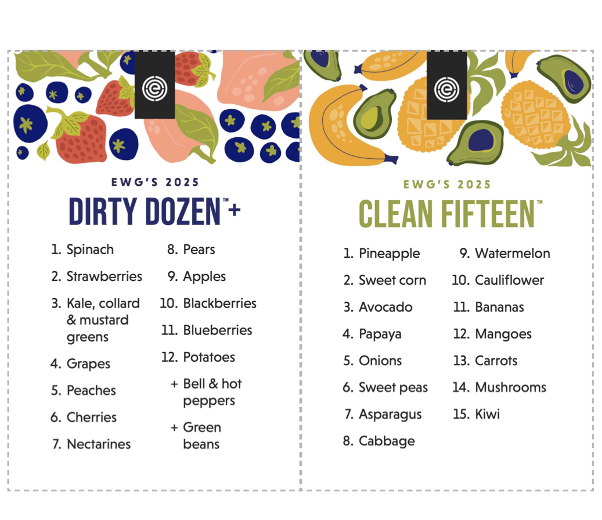
This year’s “Clean Fifteen” offers some good news: Nearly 60% of the tested samples of the 15 least-contaminated conventional produce items showed no detectable pesticide residues whatsoever. Topping the clean list were avocados, sweet corn, pineapple, onions, and papaya — all relatively safe bets for budget-conscious shoppers looking to reduce pesticide intake without going fully organic.
But the release of EWG’s guide was accompanied by sobering news on another front: The results of a two-year study published in Environmental Health adds to a growing body of evidence suggesting that glyphosate — the active ingredient in Bayer-Monsanto’s Roundup®, the world’s most widely used herbicide — may cause multiple types of cancer, and at doses considered safe by regulators.
“Our study provides solid and independent scientific evidence of the carcinogenicity of glyphosate and glyphosate-based herbicides,” said lead investigator Daniele Mandrioli of the Ramazzini Institute in Italy.
Glyphosate and the American Diet
Glyphosate has been a mainstay of industrial agriculture since the 1970s, praised for its broad-spectrum weed-killing power. With the rise of genetically modified crops engineered to resist glyphosate, its use exploded in the late 1990s and 2000s. Today, it’s sprayed on millions of acres of GMO corn, soybeans, cotton, and canola. But it doesn’t stop there.
In conventional grain production, glyphosate is also used as a desiccant — sprayed just before harvest to dry out crops like oats, wheat, lentils, and chickpeas. That means it doesn’t just show up in livestock feed. It ends up in our breakfast bowls and lunchboxes: in oatmeal, crackers, tortillas, hummus, and cereal — it can even end up in products marketed as “natural” or “healthy.”
Glyphosate is now so prevalent in our environment that it has been detected in everything from rainwater to breast milk. A 2022 CDC study found glyphosate in the urine of 80% of a representative sample of U.S. children and adults. Just last year, EWG reported that popular oat-based cereals and snack bars still contained detectable glyphosate residues, years after promising to reformulate.
So, how dangerous is it?
A Closer Look at the Science
The new Environmental Health study, published in June 2025, evaluated nearly 2,000 previously published studies to reassess glyphosate’s potential health risks. It concluded that even very low doses — far lower than currently allowed by regulatory agencies — can pose significant risks of cancer, hormone disruption, reproductive harm, and immune suppression. The researchers found that glyphosate can interfere with endocrine signaling pathways at parts-per-billion levels, meaning even tiny exposures could be biologically active.
This follows a 2015 determination by the World Health Organization’s International Agency for Research on Cancer (IARC), which classified glyphosate as a “probable human carcinogen.” Since then, thousands of lawsuits have been filed against Bayer-Monsanto, many resulting in high-profile jury verdicts linking glyphosate exposure to non-Hodgkin’s lymphoma. Although Bayer continues to deny glyphosate’s carcinogenicity and has spent billions to settle lawsuits, public confidence in the safety of this chemical is eroding.
And now, with researchers warning there may be no safe level of exposure, the need for regulatory reassessment — and consumer action — is more urgent than ever.
What the ‘Clean Fifteen’ Tells Us — and What It Doesn’t
In the midst of all this, EWG’s Shopper’s Guide to Pesticides in Produce offers a valuable, practical resource for consumers trying to navigate the complexity of the modern food system.
EWG analyzed over 47,000 samples of 46 popular fruits and vegetables. The “Clean Fifteen” list identifies produce items that typically have the lowest pesticide levels, even when grown conventionally. This year’s top 15 are:
Avocados
Sweet corn
Pineapple
Onions
Papaya
Frozen sweet peas
Asparagus
Honeydew melon
Kiwi
Cabbage
Watermelon
Mushrooms
Mangoes
Sweet potatoes
Carrots
It’s worth noting that some of these crops, such as papaya and sweet corn, are frequently genetically modified. That means they may be lower in pesticide residues, but still part of the chemical-dependent industrial agriculture model.
In contrast, the “Dirty Dozen” — which includes strawberries, spinach, and kale — are best purchased organic due to their high pesticide loads. For instance, 90% of strawberry samples tested had detectable pesticide residues, and spinach samples had, on average, 1.8 times more pesticide residues by weight than any other crop.
The takeaway: if you can’t afford to buy everything organic, prioritize organic options for items on the Dirty Dozen, and rest a bit easier when purchasing from the Clean Fifteen.
Resources & References
EWG Shopper’s Guide to Pesticides in Produce: https://www.ewg.org/foodnews/
Glyphosate cancer study summary: https://www.thenewlede.org/2025/06/new-study-adds-to-evidence-that-glyphosate-weed-killer-can-cause-cancer/
Steven Hoffman is Managing Director of Compass Natural Marketing, a strategic communications and brand development agency serving the natural and organic products industry. Learn more at www.compassnatural.com.
DOGE Days: From Supplements to Organic Farming, Natural Industry Feels Cuts
By Steven Hoffman
As the Department of Government Efficiency, or DOGE, led by billionaire Elon Musk under the administration of President Donald Trump, cuts jobs and funding for programs at U.S. agencies across the board, natural and organic food and dietary supplement producers are feeling the impact of DOGE cuts to FDA, USDA, USAID and others.
Cuts to FDA have resulted in the resignation of James Jones, FDA’s top official in charge of food safety and nutrition, following what he called “indiscriminate” layoffs of dozens of food safety inspectors. Jones, who joined the agency in 2023, said the cuts would make it “fruitless” to continue his role. “I was looking forward to working to pursue the department’s agenda of improving the health of Americans by reducing diet-related chronic disease and risks from chemicals in food,” Jones wrote. News of the resignation was first reported on Feb. 17 by FoodFix.

The U.S. Department of Health and Human Services announced plans in mid-February to fire 5,200 probationary employees across its agencies, including the National Institutes of Health (NIH), the Food and Drug Administration (FDA) and the Centers for Disease Control and Prevention (CDC). The layoffs appeared to focus on employees in the agency’s departments for food, medical devices and tobacco products. It was not clear whether FDA employees who review drugs were exempted. However, Fierce Healthcare reported on Feb. 22 that hundreds of fired FDA probationary workers have received notices from the agency that their terminations were rescinded.
Following news of the DOGE’s layoffs at the FDA, including a number of staff firings at FDA’s office of Dietary Supplement Programs, the Council for Responsible Nutrition expressed concern about the FDA’s ability to effectively oversee dietary supplements and food safety. “As the FDA deputy commissioner steps down, it’s critical that the agency maintains adequate staffing and expertise to uphold consumer confidence in the food supply,” CRN said in a statement.
“While staffing changes can occur during any presidential transition, it is critical that the FDA maintains the resources, expertise and staffing levels necessary to ensure effective dietary supplement oversight that undergirds consumer confidence in the supplement market,” said Jeff Ventura, CRN’s VP of Communications.
USDA Pauses Two Major Organic Programs
At USDA, pauses and cuts in funding for organic transition and soil conservation programs are leaving farmers on the hook for millions of dollars they invested on the promise of reimbursement, while “accidental” firings of bird flu researchers at the agriculture agency have exacerbated the high price and limited availability of eggs. (According to USDA data, the price of eggs increased 38.2% since the beginning of 2025, with the cost of a dozen conventionally produced eggs exceeding of $8 in February 2025.)
Federal officials also are withholding funding for two major organic agriculture programs that make payments directly to farmers, jeopardizing millions of dollars in funding just ahead of the 2025 planting season, reported E&E News by Politico on February 6. “The pause on the $85 million Organic Market Development Grant program and the $100 million Transition to the Organic Partnership Program has jolted farmers, nonprofits and businesses struggling to make planting and hiring decisions. Even if the pause on funding is lifted, it could put farmers out of business,” wrote E&E News reporter Marcia Brown. According to Brown, USDA has yet to release funding for the programs, even though federal courts ordered an end to the across-the-board freeze.
In addition, USDA’s Supplemental Nutrition Assistance Program (SNAP), formerly known as the Food Stamp program, is under DOGE scrutiny, plus the House of Representatives budget plan seeks to cut up to $230 billion from SNAP. Such funding cuts would affect sales for natural and organic food producers, including for such staple healthy products as organic dairy and plant-based foods that are frequently purchased by SNAP recipients.
According to Georgie Lee Smith, who blogs under the moniker Farmer Georgie, the loss of scientists and researchers at USDA agencies including the Agricultural Research Service (ARS) and the Animal & Plant Health Inspection Service (APHIS) will have a long-term negative effect on the ability of U.S. agriculture to respond to issues and opportunities, and maintain its position as one of the world’s leading food producers.
Beginning in mid-February, “DOGE took aim at the United States Department of Agriculture, aka the USDA, firing ‘probationary’ employees in what has been described as a ‘blood bath’ of terminations. To be clear, probationary periods can run from one year to three, depending upon the job, and apply even to long-time USDA employees who have recently taken a job promotion. Translation — it’s a lot of folks, many with significant dollars invested into their training,” Smith wrote.
“The researchers and scientists at ARS are on the frontline of nutrition, food safety and quality, livestock and crop production, natural resources and sustainable agricultural systems. Along with our land grant university systems, ARS researchers are often the first area of investment into solving critical food and agricultural issues, whether that’s preventing food-borne illness outbreaks to breeding more climate-resilient crops and livestock to new ways to combat pests and diseases impacting food production,” she wrote. Smith also pointed to the risks associated with cutting staff at APHIS, USDA’s agency responsible for combatting the escalating avian flu crisis.
“Many farmers and ranchers are still holding onto hope that the funding freezes that have their grants and cost-share monies tied up are only a bump in the road. Perhaps these USDA terminations will be the same. But I’m afraid that is not the case,” Smith wrote on February 16. “Secretary (of Agriculture) Brooke Rollins issued a press release … that DOGE had terminated 78 USDA contracts totaling more than $132 million, with more than 1,000 contracts still under review. And DOGE tweeted they had eliminated an $8.2 million USDA contract to implement programs administered under Biden’s climate-smart initiative, which had funneled $3 billion in grant funds to agricultural producers, marketing organizations and forest landowners nationwide to support the adoption of climate-smart practices. Again, I can’t help but point out that the large majority of the climate-smart grants specifically supported the same ‘soil health/regenerative ag’ mantra that RFK Jr. is purporting. I feel like we just cut off our noses to spite our faces,” Smith commented.
Dismantling of USAID Impacts U.S. Farmers
For the U.S. agriculture economy, 40% of government food assistance comes from American farms through programs including the U.S. Agency for International Development (USAID), which purchased $2 billion in food from American farmers in 2024. As such, the dismantling of USAID, along with its Food for Peace program, has eliminated a valuable market for farmers. It also has resulted in nearly $500 million worth of donated food sitting unused or rotting on docks and in warehouses, according to a report issued on February 10 by the Inspector General of USAID.
“Should parts of USAID be reformed or revisited? Certainly. But shutting down the entire agency in less than two weeks is not the way to do it,” wrote Erin Sikorsky, Director of the Center for Climate and Security and former aide to Wisconsin Congressman Ron Kind, in the Feb. 17, 2025, edition of the Milwaukee Journal Sentinel.
“I know Wisconsinites are proud of the role our farm industry plays in supporting food security and preventing starvation worldwide. The Wisconsin Congressional delegation has consistently stood up for Wisconsin farmers, and they must do the same today by opposing this reckless destruction of these life-saving and economically important food aid programs. This action is a reversal of decades of bipartisan support for programs that provide global food aid and prevent starvation, precisely because such programs help American farmers, help those most in need, and prevent conflict and instability that threatens our national security,” Sikorsky wrote.
Steven Hoffman is Managing Director of Compass Natural, providing public relations, brand marketing, social media and strategic business development services to natural, organic, sustainable and hemp/CBD products businesses. Contact steve@compassnaturalmarketing.com.
Presence MarketWatch 2025
This article first appeared in the January 2025 issue of Presence Marketing’s newsletter.
By Steven Hoffman
With the Trump administration returning to the White House and the GOP controlling both the Senate and House of Representatives by narrow margins, the year 2025 is sure to bring significant change to regulatory policy, business and the economy, not just for the U.S. but also the world. To help leaders in the natural channel navigate the opportunities and challenges ahead, Presence Marketing will track and report on these issues over the course of the year ahead. Read on for a snapshot of some of the major issues that will impact the natural, organic and nutritional products market over the coming year.
Tariffs and Food Prices
President-elect Donald Trump ran on a campaign to lower grocery prices, which rose 23% since the onset of the Covid pandemic in Spring 2020. Food inflation has slowed over the past year, according to NBC News, and is now less than 2% as energy prices and supply chains have stabilized. Yet, experts caution that a combination of tariffs and mass deportations could have a further destabilizing effect on agriculture, food production and grocery prices. Trump has threatened to impose tariffs up to 60% on goods from China, and a 25% tariff on products from Mexico and Canada – all countries that are significant exporters of food and other products to the U.S. market.

In a Time Magazine interview in December 2024, Trump acknowledged it may be difficult to bring down grocery prices, saying, “Look, they got them up. I’d like to bring them down. It’s hard to bring things down once they’re up.” According to a study from the Peterson Institute for International Economics, Trump’s proposed tariffs on Mexico and Canada would have the biggest impact on prices for autos, vegetables, fuel, prepared food and animal products, reported CNN Business. The U.S. relies on Mexico for 89% of its imported avocados and 91% of foreign-grown tomatoes. “Higher tariffs on Mexico and Canada will … put upward pressure on U.S. food prices,” the Peterson Institute said. While it’s too soon to determine whether Trump will actually impose tariffs or if trade agreements can be reached to prevent them, “The only certainty is that new tariffs will be costly for the United States,” said the Peterson Institute study’s authors.
Food, Farm Workers and Mass Deportation
California’s Monterey County is the fourth-largest crop-producing county in the nation, with the agriculture industry there contributing $4.4 billion to the economy, and with an estimated 55,000 farm workers, including many who are undocumented. As such, the area’s growers have expressed concern that much of their workforce could disappear as a result of potential mass deportations once the Trump administration takes office. In an interview on Dec. 19, 2024, with NBC Bay Area News, Monterey County Farm Bureau CEO Norm Groot said, “It will absolutely impact food prices at the consumer level. If it impacts local and nationwide supplies, that will have a price increase.” NBC reported the farm bureau is teaming up with county officials and other stakeholders to create a task force in addressing local concerns around mass deportations, including concerns around family and child separation. "It's interesting that four years ago during the pandemic, they were essential," Groot said. "And now all of a sudden we’re looking at it from a different perspective and trying to understand how that dynamic has changed."
And it’s not just Monterey County – while it’s estimated that undocumented workers make up only 5% of the total U.S. workforce, the share of undocumented workers across the nation’s food supply chain is at least 16%, reported Successful Farming. In some industries this number is higher – the Idaho Dairymen’s Association estimated that nearly 90% of the state’s dairy workers were born outside of the U.S. According to a September 2024 study by the Peterson Institute, mass deportation could lead to a 10% increase in food prices. Between higher food prices that could come with proposed tariffs – and potential government bailouts funded by U.S. taxpayers to provide assistance to farmers affected by deportations – Americans could potentially get “double-whammied” by the higher costs and supply chain disruptions these proposed policies could bring.
RFK, FDA and the Nation’s Health
MAHA has become a rallying cry for many in the natural health and nutritional supplements industry as Congress weighs the nomination of Robert F. Kennedy, Jr. Kennedy, a lawyer, environmentalist and controversial health advocate, is Trump’s pick to lead the U.S. Department of Health and Human Services (HHS), a Cabinet-level position that oversees the U.S. Food and Drug Administration (FDA), Centers for Disease Control and Prevention (CDC), National Institutes of Health (NIH), and others.
On one hand, RFK’s team is weighing a rewrite to the FDA’s rules overseeing food additives and taking a hard look at the harmful chemicals and pesticides used in food production. On the other hand, RFK’s top lawyer Aaron Siri stirred controversy when it was reported in December 2024 by CNN and others that he had petitioned the FDA to revoke approval of the polio vaccine. The World Health Organization declared that polio was eradicated in 2019 but warned it could re-emerge if vaccination coverage declines. According to a Dec. 4, 2024, article in Forbes, Kennedy criticized the FDA in a post on X (formerly Twitter) for “suppressing” a wide range of items, including “psychedelics, peptides, stem cells, raw milk, hyperbaric therapies, chelating compounds, ivermectin, hydroxychloroquine, vitamins, clean foods, sunshine, exercise, nutraceuticals, and anything else that advances human health and can’t be patented by Pharma.”
Kennedy will have an ally in Martin Makary, M.D., a surgeon, public policy researcher at Johns Hopkins University and a member of the National Academy of Medicine, and President-elect Trump’s choice to serve as FDA Commissioner. In September 2024, Makary joined RFK at a round table in Congress on health and nutrition, where he criticized how food in the U.S. is grown and processed. "We have poisoned our food supply, engineered highly addictive chemicals that we put into our food. We spray it with pesticides that kill pests. What do you think they do to our gut lining in our microbiome?" Makary said. In related news, Trump’s pick for Surgeon General, Dr. Janette Nesheiwat, a family medicine doctor who runs a chain of urgent care clinics in New York, was a regular Fox News contributor and is an advocate for nutritional supplements, marketing her own brand of dietary supplements called BC Boost, containing vitamins C, B-12, D and Zinc.
Brooke Rollins Nominated to Lead USDA
President-elect Trump in November nominated Brooke Rollins, President and CEO of the America First Policy Institute, a conservative think tank based in Texas, to lead the U.S. Department of Agriculture. “As our next Secretary of Agriculture, Brooke will spearhead the effort to protect American farmers, who are truly the backbone of our country,” Trump said in a statement. Rollins is a graduate of Texas A&M University, with an undergraduate degree in agriculture development. “From her upbringing in the small and agriculture-centered town of Glen Rose, Texas, to her years of leadership involvement with Future Farmers of America and 4H, to her generational family farming background, to guiding her four kids in their show cattle careers, Brooke has a practitioner’s experience, along with deep policy credentials in both nonprofit and government leadership at the state and national levels,” the statement said.
“We congratulate Brooke Rollins on her nomination as Secretary of Agriculture. This is an important moment for U.S. agriculture, and we are optimistic about the opportunities her leadership will bring to rural America,” Amy France, chairwoman of the National Sorghum Producers in Scott City, KS, told Successful Farming. "Sorghum farmers are at the forefront of innovation, contributing to domestic biofuels and heart-healthy, nutritious, ancient grain foods. We are eager to work with her to advance policies that strengthen the sorghum industry and benefit growers nationwide.”
“The Department of Agriculture plays a pivotal role in safeguarding our food supply, addressing food insecurity, managing our forests, as well as supporting America’s farmers and rural communities who are on the frontlines of the climate crisis,” said Rebecca Riley, Managing Director, Food and Agriculture, for the Natural Resources Defense Council (NRDC). “Rollins needs to invest in America’s farmers – from small family farms to larger-scale operations – and to work toward a resilient and equitable food system that puts healthy food on the table, restores our soil, protects the climate, and safeguards the health of our communities … now is not the time to undermine climate-smart farming practices, favor industrial agriculture at the expense of small producers and consumers, or gut the nutrition programs that many Americans rely on,” Riley said.
California’s AB 660 Sets Landmark Food Date Labeling Standards
California Governor Gavin Newsom in September 2024 signed into law the nation's first mandatory food date labeling reform bill. California Assembly Bill 660 (AB 660) standardizes the use of “Best If Used By” and “Use By” dates on food labels, and prohibits the use of “Sell By” dates. The new law requires manufacturers to use the same phrase for date labels across their products, reported Food Safety. Beginning July 1, 2026, companies selling food products in California must only use “Best If Used By” to indicate the date by which a product will reach its peak quality, and “Use By” to indicate the date by which a product’s safety can no longer be guaranteed. The use of consumer-facing “Sell By” dates will be prohibited to reduce the chances of consumers confusing “Sell By” dates with quality or safety dates.
“On grocery store shelves today, there are more than 50 differently phrased date labels on packaged food. Some phrases are used to communicate peak freshness of a product or when a product is no longer safe to eat. Others, like ‘Sell By,’ are used only to inform stock rotation in stores but mislead some consumers into thinking the product is no longer safe to eat. AB 660 will close this gap by requiring manufacturers to use the same phrase for date labels across their products,” NRDC said in a statement.
Of course, as goes California, so goes the country. “AB 660 is game changing, not just for California, but for the country. It will be the first law of its kind to end the ridiculous confusion that causes consumers to throw out almost $15 billion of perfectly good food nationwide. It will also help reduce the significant toll that wasting food has on our planet,” Dana Gunders, President of reFED, told BioCycle Magazine. “Having to wonder whether our food is still good is an issue that we all have struggled with. Today’s signing of AB 660 is a monumental step to keep money in the pockets of consumers while helping the environment and the planet,” said Assemblymember Jacqui Irwin, author of the bill.
Steven Hoffman is Managing Director of Compass Natural, providing public relations, brand marketing, social media and strategic business development services to natural, organic, sustainable and hemp/CBD products businesses. Contact steve@compassnaturalmarketing.com.
A Toxic Combination: Forever Chemicals Are Adding to the Health Risks of Pesticides
This article first appeared in the August 2024 issue of Presence Marketing’s newsletter.
By Steven Hoffman
Two recent studies, one conducted by Consumer Reports and published in May 2024, and another published in Environmental Health Perspectives in July 2024, suggest that exposure to toxic synthetic pesticides continues to be a serious issue and a growing threat to human, animal and environmental health.
Now, add forever chemicals into the mix, as environmental advocacy groups found that 66 active ingredients currently approved for use in pesticides qualify as PFAS, also known as “forever chemicals.”
In addition, according to the study, “Forever Pesticides: A Growing Source of PFAS Contamination in the Environment,” eight approved “inert” ingredients – added to pesticides to help chemicals disperse and stick to the plants, for example – also qualify as PFAS. The research was conducted by the Center for Biological Diversity, Public Employees for Environmental Responsibility and the Environmental Working Group, and was published in the journal Environmental Health Perspectives.
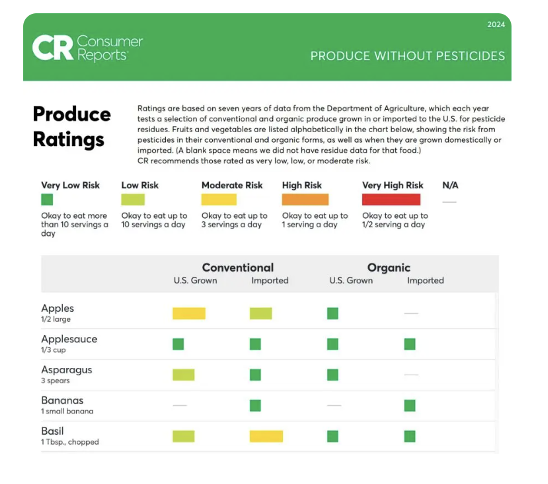
Most Comprehensive Pesticide Review Ever
According to the Consumer Reports study published in May, the advocacy group conducted “our most comprehensive review ever of pesticides in food,” looking at 59 common fruits and vegetables (fresh versions, and in some cases, also canned, dried and frozen fruits and vegetables) and analyzing seven years of data from the U.S. Department of Agriculture. USDA annually tests a selection of conventional and organic produce grown in or imported to the U.S. for pesticide residues.
“Our new results continue to raise red flags,” said Catherine Roberts on behalf of Consumer Reports. “Pesticides posed significant risks in 20% of the foods we examined, including popular choices such as bell peppers, blueberries, green beans, potatoes, and strawberries. One food, green beans, had residues of a pesticide that hasn’t been allowed to be used on the vegetable in the U.S. for over a decade. And imported produce, especially some from Mexico, was particularly likely to carry risky levels of pesticide residues.”
Added Roberts, “When it comes to healthy eating, fruits and vegetables reign supreme. But along with all their vitamins, minerals and other nutrients can come something else: an unhealthy dose of dangerous pesticides.” Science has strongly linked pesticide exposure to increased risks of cancer, diabetes, neurological and childhood development issues, and many other health problems.
PFAS: Compounding the Concern
Compounding the concern of pesticide pollution is the discovery that PFAS chemicals are being used in many of the toxic, synthetic pesticide formulations approved for use on farms across the U.S., raising questions about the long-term consequences of such pernicious substances enduring for decades in our soil and water. According to the Environmental Protection Agency, these chemicals “break down very slowly and can build up in people, animals, and the environment over time.”
PFAS have been linked to cancer, reproductive issues and developmental delays in children, among other adverse health effects. To make matters worse, the researchers who published the Environmental Health Perspectives report found that a process called fluorination, which can create PFAS chemicals, is being used increasingly in the manufacture of pesticides to make them stick around for longer, Civil Eats reported.
“This is truly frightening news, because pesticides are some of the most widely dispersed pollutants in the world,” said Nathan Donley, Environmental Health Science Director for the Center for Biological Diversity and one of the study’s authors. “Lacing pesticides with forever chemicals is likely burdening the next generation with more chronic diseases and impossible cleanup responsibilities. The Environmental Protection Agency needs to get a grasp on this fast-emerging threat right away.”
“Toxic PFAS have no place in our food, water or homes, posing a serious threat to our health and environment,” said David Andrews, Ph.D., Deputy Director of Investigations and a Senior Scientist with the Environmental Working Group, a co-author of the study. “The increasing use of PFAS pesticides will lead to increasing levels of PFAS in the environment. PFAS not only endanger agricultural workers and communities but also jeopardize downstream water sources, where pesticide runoff can contaminate drinking supplies. From home gardens to pet care, the use of these pesticide products further illustrates why we must end all non-essential uses of these persistent forever chemicals,” Andrews added.
Choose Organic
Based on Consumer Reports’ research, the largest risks of dietary exposure to pesticide residues are caused by just a few pesticides concentrated in a handful of fruits and vegetables. Their findings also indicated that nearly all of the organically produced fruits and vegetables tested presented little to no risk.
To help educate consumers, Consumer Reports produced a printable guide showing the risk in produce from pesticides in both their conventional and organically produced counterparts, as well as whether they are grown domestically or imported.
Consumer Reports advised, “A proven way to reduce pesticide exposure is to eat organic fruits and vegetables, especially for the highest-risk foods. We had information about organically grown versions for 45 of the 59 foods in our analysis. Nearly all had low or very low pesticide risk, and only two domestically grown varieties—fresh spinach and potatoes—posed even a moderate risk. Organic foods’ low-risk ratings indicate that the USDA’s organic certification program, for the most part, is working,” Consumer Reports said.
“Less pesticide on food means less in our bodies: Multiple studies have shown that switching to an organic diet quickly reduces dietary exposure. Organic farming protects health in other ways, too, especially for farmworkers and rural residents, because pesticides are less likely to drift into the areas where they live or to contaminate drinking water,” Consumer Reports added.
However, of concern to advocates of organic agriculture, the report also showed that imported organic green beans had a very high pesticide risk – “the exact same rating as imported conventional green beans,” said Max Goldberg, Publisher of Organic Insider, in commenting on the study. Additionally, Consumer Reports findings indicated that U.S. grown organic spinach presented a “moderate” pesticide risk – “the exact same rating as both U.S.-grown and imported conventional Spinach,” Goldberg noted. U.S.-grown organic potatoes also presented a moderate risk, as did imported organic kale, according to USDA data analyzed by Consumer Reports.
While organic agriculture does allow for certain pesticides to be used, they are low-risk and derived from natural mineral or biological sources that have been approved by the USDA’s National Organic Program, said Goldberg, a renowned advocate for organic food and agriculture. Additionally, he noted, chemicals linked to human health and environmental issues, such as glyphosate or neonicotinoids, are prohibited in organic.
“The organic system is not fool-proof, and organic farmers may have persistent pesticides in their soil that have not degraded after the three-year transition period. Or, they may be the victim of pesticide drift from neighboring conventional farms. That being said, any fruit or vegetable that has a moderate, high or very high pesticide risk is a very serious red flag and should call for an immediate investigation. The fact that Consumer Reports looked at nearly 30,000 fruit and vegetable samples would invalidate an ‘isolated incident’ excuse,” Goldberg asserted.
“One of the primary reasons that we are paying extra to buy organic is specifically to avoid these chemicals. And yet, not only do imported organic green beans pose a very high pesticide risk, but they, along with U.S.-grown organic spinach, pose the exact same pesticide risk as their conventional counterparts,” he said.
“In the interim, retailers and brands must demand that their suppliers conduct third-party pesticide testing for all organic fruits and vegetables, or at a bare minimum, for all imported organic green beans and organic kale, and U.S.-grown organic spinach and organic potatoes. This will help identify who the bad actors are, so they can be removed from the system. We have no choice but to be unrelenting when it comes to pesticide contamination of organic fruits and vegetables,” said Goldberg.
Learn More
Download a printable version of Consumer Reports’ guide to pesticides in produce here.
Learn more about “Forever Pesticides: A Growing Source of PFAS Contamination in the Environment” here.
Follow and subscribe to Organic Insider here.