
Federal Actions Focus on Greater Transparency for GMOs & Ultra-Processed Foods
This article first appeared in the September 2026 issue of Presence Marketing’s newsletter.
By Steven Hoffman
For years, leaders in the natural and organic products industry have advocated for a simple, fundamental consumer right: the right to know exactly what is in the food we eat. Despite the steady growth of the natural channel and the soaring consumer demand for clean labels, federal regulations have historically provided conventional food manufacturers with ample regulatory shelter. Through confusing digital disclosures, vague ingredient definitions, and self-certified safety standards, the conventional food sector has often avoided the level of transparency that natural and organic brands readily provide to their customers.
However, a confluence of landmark judicial and federal regulatory actions in August 2026 has signaled a significant paradigm shift. Within a single month, a federal court struck down the regulatory loophole allowing genetically modified organisms (GMOs) to be hidden behind QR codes, while the U.S. Department of Health and Human Services (HHS) and the U.S. Department of Agriculture (USDA) advanced efforts to formally define ultra-processed foods (UPFs) and tighten the oversight of self-certified food additives.
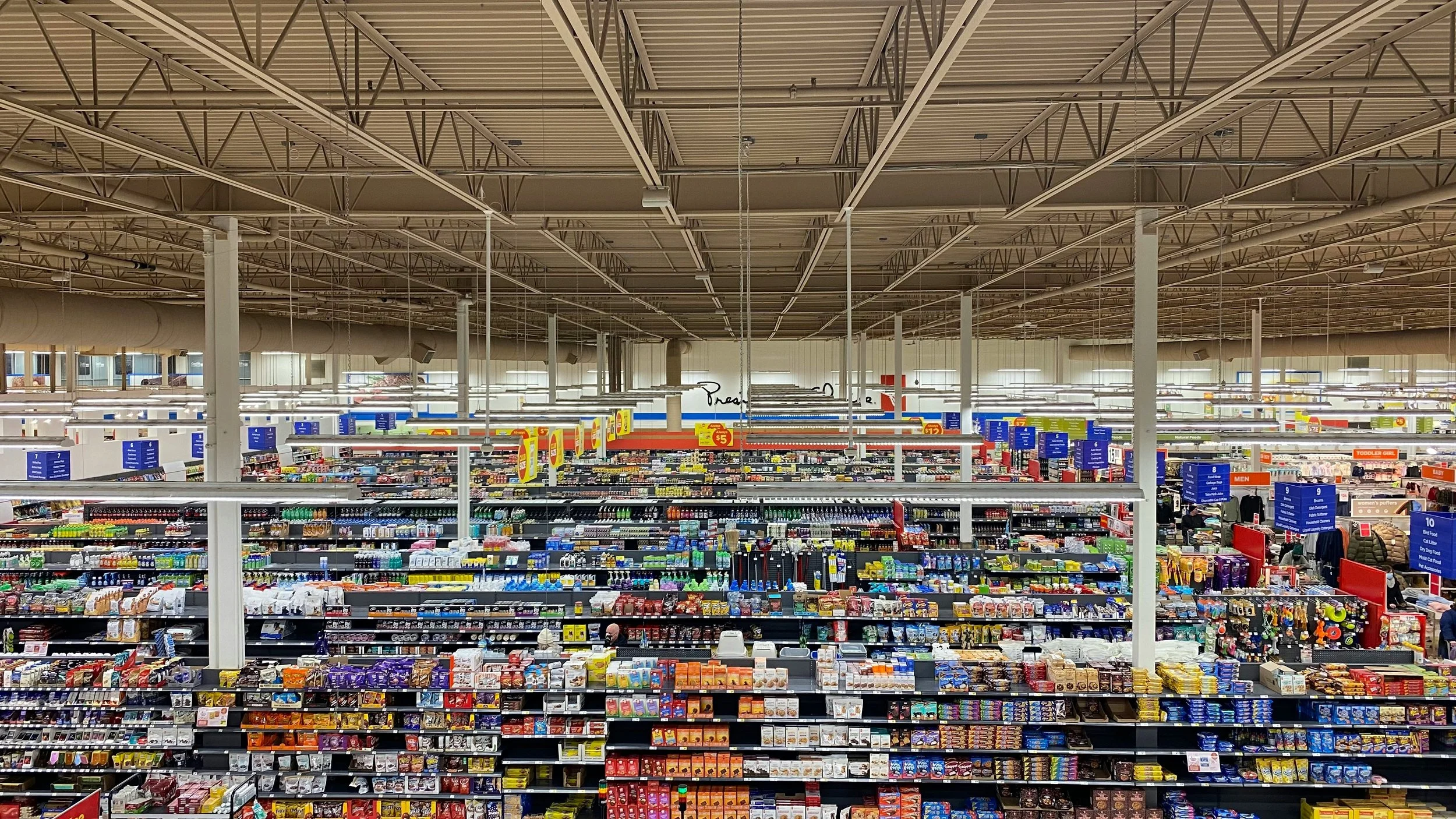
For business owners, executives, and professionals in the natural, organic, and regenerative agriculture markets, these actions validate decades of persistent advocacy. More importantly, they stand to reshape the competitive grocery landscape, potentially forcing conventional brands to reformulate their products or face a new era of mandatory, unavoidable on-package transparency.
The Demise of the QR Code Loophole
The movement toward transparent GMO labeling achieved a decisive victory when a federal district court issued a final remedy decision regarding the USDA's bioengineered food labeling rules. According to the Center for Food Safety, the court ruled that the USDA must rewrite its National Bioengineered Food Disclosure Standard by Jan. 1, 2028, effectively voiding the provisions that previously allowed companies to obfuscate GMO disclosures.
The litigation, which was championed by a coalition of natural food retailers and consumer advocacy groups—including Natural Grocers and PCC Natural Markets—targeted two specific, controversial loopholes in the original 2018 regulation. First, the USDA had allowed food manufacturers to use a digital QR code, text message, or web address as the sole method of disclosing bioengineered ingredients. Critics argued this was fundamentally discriminatory, as it placed an undue burden on consumers who either lacked smartphones, experienced poor internet connectivity in grocery aisles, or simply did not know that a digital scan was required to view ingredient information.
Second, the original rule exempted "highly refined" ingredients from being labeled as bioengineered if the modified genetic material was no longer detectable through standard DNA testing. This exemption allowed a vast swath of ultra-processed ingredients—such as highly refined corn syrup, canola oil and soy oil—to avoid GMO labeling entirely, even though they were derived from genetically modified crops.
As reported by Food Dive, the federal court has now mandated that the USDA close these loopholes. The court’s official vacatur order requires the agency to implement clear, on-package text or symbols and to comprehensively address the disclosure of highly refined, ultra-processed GMO ingredients.
The reaction from the natural products community has been swift and celebratory. Max Goldberg, editor and publisher of Organic Insider, noted in a recent LinkedIn post: “The headline that Big Food has been dreading. Why? Because the QR code loophole is dead. A federal court just ordered the USDA to rewrite its GMO labeling rules by January 1, 2028 — and this time, there's nowhere to hide. For years, up to 80% of GMO products dodged real disclosure. Sodas, cooking oils, ultra-processed staples — all slipped through. And when brands did 'disclose'? A QR code you needed a smartphone to scan. Not anymore. Clear on-package labels. Actual transparency. The right to know what's in your cart. Big shift coming for food brands. Bigger win for consumers.”
As noted by DTN Progressive Farmer, the ruling places the timeline squarely in the hands of the USDA, rejecting the agency's initial request to delay the implementation of new rules until 2029. According to Feedstuffs, the mandated January 2028 deadline means food manufacturers must begin auditing their supply chains immediately to prepare for the transition to mandatory on-package disclosures.
George Kimbrell, legal director for the Center for Food Safety, underscored the historical importance of the ruling. Speaking to Food Navigator, Kimbrell stated: “Yesterday's decision was the final nail in the coffin of the 2021 unlawful GMO labeling regulations. We are gratified that the district court, like the court of appeals before it, has agreed with our legal arguments and struck them down.”
Closing the GRAS Loophole and Modernizing Food Oversight
While the courts tackled GMO transparency, the executive branch moved to address the proliferation of chemical additives in the American food supply.
As announced on Aug. 10, 2026, HHS Secretary Robert F. Kennedy Jr. introduced two landmark food policy reforms designed to modernize federal oversight of ingredients. The most immediate regulatory shift involves a proposed rule to tighten the "Generally Recognized as Safe" (GRAS) designation.
For decades, the GRAS framework has served as a primary regulatory pathway for food manufacturers to introduce new ingredients into the market. Originally intended by Congress for common, historically well-understood ingredients like vinegar or baking soda, the GRAS provision has increasingly been utilized by companies to self-certify novel synthetic chemicals, preservatives, and artificial additives as safe. In many cases, companies could convene their own industry-funded expert panels to determine safety, effectively bypassing the U.S. Food and Drug Administration (FDA) review process altogether.
According to Food Business News, the proposed HHS rule will fundamentally alter this dynamic by requiring food and animal feed manufacturers to formally notify the FDA whenever they conclude that a new substance added to food meets the GRAS criteria. By ending the era of secret, self-certified additives, the administration aims to ensure that the FDA can properly review the safety data of novel ingredients before they ever enter the food supply.
This move has drawn widespread support from medical professionals and health experts who have long criticized the FDA's lack of authority over food additives. Former FDA Commissioner Scott Gottlieb voiced his support, stating that the reform is important because the FDA has generally lacked sufficient authority to meaningfully regulate these substances. This shift aligns closely with the long-standing demands of natural health advocates, who have consistently warned about the cumulative health impacts of unchecked synthetic chemicals.
The Drive to Define Ultra-Processed Foods
Alongside the GRAS rule proposal, the federal government took an unprecedented step toward formally defining a category of food that has dominated recent nutritional research and public health discussions: ultra-processed foods (UPFs).
As reported by Food Safety Magazine, the FDA and the USDA jointly submitted a white paper to the Office of Management and Budget (OMB) for final review, proposing the first-ever federal definition of ultra-processed foods. While there are international frameworks—such as the NOVA classification system developed by researchers in Brazil—the United States has historically lacked a uniform, statutory definition for UPFs.
Establishing a formal definition is far more than a semantic exercise. As highlighted by Food Industry Executive, the submission of the definition as a white paper signals a foundational step toward widespread regulatory changes. Once a federal definition is established and finalized, it can be utilized across multiple government agencies to shape public policy. This could eventually impact everything from the composition of the Dietary Guidelines for Americans and the National School Lunch Program to the eligibility of certain products within the Supplemental Nutrition Assistance Program (SNAP).
HHS Secretary Robert F. Kennedy Jr. emphasized the urgency of the initiative. “Nearly 60% of the American diet is made up of ultra-processed foods, and childhood obesity now affects more than one in five American children,” Kennedy noted in a statement. “We cannot reverse America’s chronic disease epidemic without transforming our food system.”
Writing for The Atlantic, journalist Nicholas Florko noted that Kennedy’s push to define ultra-processed foods is a central pillar of the administration's "Make America Healthy Again" (MAHA) agenda. By creating a standardized metric for what constitutes an ultra-processed food, the administration is laying the groundwork for a broader public health campaign aimed at reducing the consumption of heavily refined, additive-laden products that have been linked to rising rates of diet-related chronic diseases. As health advocates have pointed out, reining in UPFs is fundamental to tackling chronic disease in America, and establishing a federal definition is the required first step.
Industry Pushback and the Economic Argument
Unsurprisingly, these swift regulatory changes have encountered vocal resistance from conventional food industry groups and free-market advocates. The prospect of reformulating products, updating packaging to remove QR codes in favor of explicit text, and submitting GRAS ingredients for rigorous federal review represents a significant operational cost for legacy food manufacturers.
According to a statement from Americans for Tax Reform (ATR), the new food proposals advanced by HHS threaten to disrupt supply chains and increase consumer costs. ATR argued that by growing the regulatory state and enforcing stricter definitions on processed foods, the administration will invariably drive up the cost of manufacturing. “HHS’s new food proposals would raise grocery prices and grow the regulatory state,” the group warned, suggesting that the financial burden of compliance will ultimately be passed down to consumers at the checkout counter.
Conventional industry trade associations have echoed similar concerns regarding the GMO labeling mandate. They argue that replacing digital QR codes with on-package text could clutter labels and confuse consumers who are already overwhelmed by existing nutritional information. They further contend that highly refined oils and sugars derived from bioengineered crops are chemically identical to their non-GMO counterparts, arguing that forcing a bioengineered label on these ultra-processed ingredients is scientifically unnecessary and economically punitive.
A Competitive Advantage for the Natural Channel
Despite the pushback from the conventional food sector, the recent federal actions represent a profound validation for the natural, organic, and regenerative agriculture industries. For decades, independent retailers and natural product brands have voluntarily adhered to higher standards of transparency, often bearing the financial cost of non-GMO verification, organic certification, and clean-label formulation without any federal mandate requiring their competitors to do the same.
The death of the QR code loophole effectively levels the playing field. When conventional brands are forced to explicitly disclose the presence of bioengineered ingredients on their packaging by January 2028, consumers will be able to make direct, side-by-side comparisons in the grocery aisle. This increased visibility is expected to drive even greater consumer migration toward certified organic and Non-GMO Project Verified products, categories that already serve as the bedrock of the natural products industry.
Furthermore, the federal drive to define ultra-processed foods aligns perfectly with the core philosophy of the natural channel. Independent natural and organic food stores have long prioritized whole foods, minimally processed ingredients, and regenerative agricultural practices over synthetic formulations. If federal nutrition programs eventually integrate the new UPF definition to disincentivize the purchase of highly processed items, the market demand for nutrient-dense, clean-label alternatives will likely accelerate.
The closure of the GRAS loophole further reinforces consumer trust in the natural sector. As the FDA gains greater visibility into the synthetic additives utilized by conventional manufacturers, consumers will become increasingly aware of the chemical complexities inherent in highly processed diets. Brands that are committed to simple, recognizable, and transparent ingredient panels will find themselves perfectly positioned to capture the market share of health-conscious shoppers seeking refuge from synthetic additives.
Looking Ahead: The Path to 2028
While the regulatory wheels have been set in motion, the transition will not occur overnight. The USDA now faces a mandated deadline of Jan. 1, 2028, to finalize and implement the new bioengineered food disclosure rules. Concurrently, the proposed UPF definition and the GRAS notification rule must navigate the federal review process, including periods for public comment and potential revisions by the Office of Management and Budget.
For business owners and leaders in the natural products sector, the immediate path forward requires sustained vigilance and proactive consumer education. Retailers and manufacturers should begin preparing marketing and merchandising strategies that highlight their existing commitments to transparency, non-GMO sourcing, and minimal processing.
As the federal government finally moves to mandate the transparency that the natural channel has championed for decades, the industry is entering a new era. The days of hiding ingredients behind digital links and self-certified safety designations are drawing to a close. For the natural, organic, and regenerative food market, this is not just a regulatory victory; it is an affirmation of a business model built on integrity, health, and the consumer's fundamental right to know.
Steven Hoffman is Managing Director of Compass Natural Marketing, a strategic communications and brand development agency serving the natural and organic products industry. Learn more at www.compassnatural.com.
How a Surprise Vote on Pesticides Reshaped the 2026 Farm Bill
This article first appeared in the June 2026 issue of Presence Marketing’s newsletter.
By Steven Hoffman
The U.S. food and agriculture sector is navigating a pivotal transition as new legislative actions and regulatory shifts take shape. Recent developments in Washington are establishing a new policy landscape that business owners, brand executives, retailers, and farmers in the natural, organic, and regenerative space will need to monitor closely.
On April 30, the U.S. House of Representatives passed the Farm, Food, and National Security Act of 2026 by a vote of 224–200, marking the first major movement on a Farm Bill since 2018. However, for a natural and organic industry that has now grown into a $325.2 billion market, according to the Natural Foods Merchandiser 2025 Market Overview, the current legislation has drawn mixed reactions regarding its alignment with modern agricultural practices and evolving consumer demand.

As the bill moves to the Senate, where its passage remains uncertain, it introduces a mix of regulatory adjustments, funding reallocations, and structural reorganizations. These legislative changes, combined with a concurrent restructuring at the U.S. Department of Agriculture (USDA), present both operational challenges and new market dynamics for the natural products industry.
The following is an overview of these policies, the political context, and the business implications for the regenerative and organic food supply chain.
The MAHA Movement and a Shift in Pesticide Regulation
One of the most notable developments to emerge from the House Farm Bill debates was a bipartisan vote regarding pesticide oversight—a legislative shift influenced in part by the Make America Healthy Again (MAHA) movement.
For months, the drafted Farm Bill contained language designed to federally preempt states from requiring health and cancer warning labels on pesticides, a provision intended to protect agrochemical manufacturers from state-level lawsuits. However, the House voted, 280-142, to strip this pro-pesticide language from the bill.
According to Politico, this vote represents a major win for MAHA-aligned Republicans and Democrats. The amendment to remove the shield was championed by Rep. Anna Paulina Luna (R-Fla.), who had signaled she would oppose the entire Farm Bill if the protections remained. Despite pressure from House Agriculture Chair G.T. Thompson (R-Pa.), who argued the shield was necessary to prevent “frivolous lawsuits” and to protect crop yields, 73 Republicans joined the majority of Democrats to remove the provision.
This legislative fight highlights the increasing complexity of food politics. As reported by the Montana Free Press, Bob Quinn, a renowned organic kamut farmer from Big Sandy, Montana, noted his surprise at the outcome, acknowledging the historical influence of the pesticide lobby. Interestingly, six Democrats representing regions with heavy pesticide use voted with the chemical industry to bar state labels, showcasing the fact that regional agricultural interests often intersect with party lines.
The removal of the liability shield is being hailed as a significant public health and environmental victory. According to Friends of the Earth, stripping the shield affirms that corporations selling chemicals linked to human health concerns should not be insulated from state-level oversight. Similarly, Kathleen Merrigan, executive director of the Swette Center for Sustainable Food Systems, told FoodTank that the MAHA movement has pushed the pesticide issue to a "tipping point" in food policy.
Even conservative outlets are analyzing this shift. An op-ed in Fox News questioned the broader coherence of a Farm Bill that maintains high levels of agrochemical support while elements of the party simultaneously back MAHA principles.
The Business Takeaway: For natural and organic CPG brands, this development provides a distinct market signal. Consumers are increasingly attentive to the use of synthetic inputs. With states retaining the right to mandate health warnings on conventional, chemically treated products, the value proposition of the USDA Organic label and third-party certifications like Regenerative Organic Certified (ROC) will likely strengthen. Brands should continue to emphasize transparency and clean-label marketing, as the regulatory contrast between conventional and organic agriculture becomes more visible.
Organic Legislation: Modest Progress Amid Broader Funding Cuts
While the pesticide provision's removal was a focal point, the broader Farm Bill presents a challenging framework for the organic and sustainable agriculture sectors.
The Organic Trade Association (OTA) noted that the House-passed bill includes some important wins for organic agriculture, but it stressed that federal policy must evolve to support the sector proactively rather than treat it as an "afterthought." Despite the industry's significant retail footprint, the National Organic Coalition warned that the legislation "largely assumes a stagnant organic marketplace rather than making the targeted investments needed to support continued growth."
Critiques of the bill suggest it continues to heavily favor industrial agribusiness. According to Friends of the Earth, the legislation reduces critical conservation funding—including a $1 billion cut to the Environmental Quality Incentives Program (EQIP)—while shifting resources toward subsidies for larger agribusiness operations. Furthermore, the bill attempts to override voter-approved laws such as California’s Proposition 12, which mandates humane animal welfare standards, potentially invalidating numerous state and local measures on food safety and environmental protection.
Conservation programs remain a cornerstone of the regenerative movement. As The Nature Conservancy highlights, the Farm Bill typically provides roughly $6 billion annually for conservation work on private working lands. Reducing these incentive-based programs may stifle farmers' ability to transition to climate-smart, soil-building practices.
The National Sustainable Agriculture Coalition (NSAC) states that the bill "falls unmistakably short" in addressing the current needs of farmers. NSAC points out that producers are currently facing abrupt trade policy shifts and federal workforce reductions. Earlier this year, the USDA began freezing and terminating held contracts, disrupting planning for the 2025 and 2026 planting seasons for many small and mid-sized producers.
SNAP Policy Changes and Food Access
Another critical component of the House Farm Bill is its approach to nutrition assistance. The legislation outlines $187 billion in cuts to the Supplemental Nutrition Assistance Program (SNAP), alongside expanded work requirements for certain demographics and stricter eligibility rules, according to Food & Wine.
The Center on Budget and Policy Priorities estimates that one in eight participants could lose access to some form of food relief as a result of these measures. Kathleen Merrigan noted via FoodTank that food pantries are already seeing increased demand, a trend that could accelerate later in the year as the cuts take full effect.
The Business Takeaway: SNAP funding is integral to the broader grocery economy, injecting tens of billions of dollars into retail annually. Reductions in food purchasing power can cause a ripple effect across the entire grocery ecosystem. Natural and organic retailers, who have increasingly integrated SNAP benefits to democratize access to healthier foods, may see shifts in consumer purchasing behavior. Brands and retailers will need to evaluate pricing strategies and explore ways to maintain accessibility without compromising on product integrity.
Organizational Restructuring at the USDA
Alongside the legislative process in Congress, recent administrative and structural changes within the USDA under Secretary Brooke Rollins are impacting the organic community's oversight and funding mechanisms.
Recent reports indicate a rollback of infrastructure designed to support alternative agriculture. In a recent op-ed published by Civil Eats, it was noted that the USDA abruptly canceled $300 million in contracts for the Increasing Land, Capital, and Market Access Program (ILCM). This program was established to help underserved and first-generation farmers overcome barriers to entry; its termination halts 50 community-based agricultural projects nationwide.
Staffing challenges within the USDA are also drawing attention. According to the Federal News Network, a significant majority of USDA researchers tapped for an agency relocation have declined to move, raising concerns about a potential reduction in agricultural research capacity.
This staffing shift directly affects the organic sector. According to industry watchdog OrganicEye, the National Organic Program (NOP)—which oversees certification within the $76 billion organic products market—has reportedly seen staff reductions of up to 30%. In addition, Secretary Rollins delayed appointing five members to the 15-member National Organic Standards Board (NOSB) prior to their spring meeting.
Consequently, the NOSB convened in Omaha last month with only 10 members. OrganicEye reported that this lack of representation for key constituencies—such as farmers, consumers, and scientists—strays from the original intent of the Organic Foods Production Act of 1990, leading to concerns that business conducted during the meeting could face legal challenges.
Personnel reductions extend to the Natural Resources Conservation Service (NRCS), a key agency assisting farmers with soil health improvements. As reported by Organic Insider, the NRCS has reportedly lost approximately 22% of its staff, leaving offices in several vital agricultural states operating with limited personnel. This comes shortly after the launch of a $700 million pilot program aimed at boosting soil health, raising questions about the agency's capacity to administer the new funds effectively.
The cumulative impact of these changes is placing significant pressure on producers. Food industry analyst Robyn O'Brien highlighted this convergence of factors on her Substack, noting that farmers are currently facing "a convergence of policy decisions, tariffs, immigration crackdowns, energy freezes, [and] budget cuts" that threaten operational stability.
The Senate's Role and the Path Forward
With the House-passed Farm Bill viewed by many as highly partisan and unlikely to pass the Senate in its current form, industry stakeholders are focusing their attention on the upper chamber. Senate markups are expected in June, and differing legislative priorities are already emerging.
Sen. Adam Schiff (D-Calif.), a new voice on the Senate Agriculture Committee, has outlined a contrasting legislative vision. According to AgInfo, Schiff’s priorities include enhanced support for specialty crops, regional food systems, organic agriculture, and expanded fruit and vegetable purchasing within federal food programs. Additionally, Schiff has stated his intention to oppose any Farm Bill language that overrides state-level animal welfare standards like California’s Proposition 12, while advocating for the protection of SNAP benefits.
Industry Implications and Next Steps
For business leaders in the natural, organic, and regenerative agriculture sectors, navigating this transition requires strategic adaptation. The legislative and regulatory events of the past month underscore a shift in federal support structures for sustainable food systems.
With government grants for new farmers being canceled, adjustments to the organic oversight board, and proposed reductions in conservation funding, the private sector may need to assume a larger role. As noted by Organic Insider, brands, investors, and retailers have an opportunity to privately fund transition programs, invest in supply chain resilience, and cultivate direct, supportive partnerships with farmers managing these macroeconomic pressures.
At the same time, the industry can look to align with the shifting priorities of consumers. The bipartisan rejection of the pesticide liability shield demonstrates that shoppers across the political spectrum are prioritizing clean food, transparency, and corporate accountability. Industry advocacy will remain crucial as the Senate drafts its version of the Farm Bill—urging investments in organic research, the protection of nutrition assistance, and policies that recognize regenerative agriculture as a key component of the nation's food economy.
As agricultural policy continues to be debated in Washington, it is essential for the natural products industry to remain engaged, ensuring that future legislation supports the health of the soil, the economic viability of the farmer, and the well-being of the consumer.
Steven Hoffman is Managing Director of Compass Natural Marketing, a strategic communications and brand development agency serving the natural and organic products industry. Learn more at www.compassnatural.com.
Presence MarketWatch 2025
This article first appeared in the January 2025 issue of Presence Marketing’s newsletter.
By Steven Hoffman
With the Trump administration returning to the White House and the GOP controlling both the Senate and House of Representatives by narrow margins, the year 2025 is sure to bring significant change to regulatory policy, business and the economy, not just for the U.S. but also the world. To help leaders in the natural channel navigate the opportunities and challenges ahead, Presence Marketing will track and report on these issues over the course of the year ahead. Read on for a snapshot of some of the major issues that will impact the natural, organic and nutritional products market over the coming year.
Tariffs and Food Prices
President-elect Donald Trump ran on a campaign to lower grocery prices, which rose 23% since the onset of the Covid pandemic in Spring 2020. Food inflation has slowed over the past year, according to NBC News, and is now less than 2% as energy prices and supply chains have stabilized. Yet, experts caution that a combination of tariffs and mass deportations could have a further destabilizing effect on agriculture, food production and grocery prices. Trump has threatened to impose tariffs up to 60% on goods from China, and a 25% tariff on products from Mexico and Canada – all countries that are significant exporters of food and other products to the U.S. market.

In a Time Magazine interview in December 2024, Trump acknowledged it may be difficult to bring down grocery prices, saying, “Look, they got them up. I’d like to bring them down. It’s hard to bring things down once they’re up.” According to a study from the Peterson Institute for International Economics, Trump’s proposed tariffs on Mexico and Canada would have the biggest impact on prices for autos, vegetables, fuel, prepared food and animal products, reported CNN Business. The U.S. relies on Mexico for 89% of its imported avocados and 91% of foreign-grown tomatoes. “Higher tariffs on Mexico and Canada will … put upward pressure on U.S. food prices,” the Peterson Institute said. While it’s too soon to determine whether Trump will actually impose tariffs or if trade agreements can be reached to prevent them, “The only certainty is that new tariffs will be costly for the United States,” said the Peterson Institute study’s authors.
Food, Farm Workers and Mass Deportation
California’s Monterey County is the fourth-largest crop-producing county in the nation, with the agriculture industry there contributing $4.4 billion to the economy, and with an estimated 55,000 farm workers, including many who are undocumented. As such, the area’s growers have expressed concern that much of their workforce could disappear as a result of potential mass deportations once the Trump administration takes office. In an interview on Dec. 19, 2024, with NBC Bay Area News, Monterey County Farm Bureau CEO Norm Groot said, “It will absolutely impact food prices at the consumer level. If it impacts local and nationwide supplies, that will have a price increase.” NBC reported the farm bureau is teaming up with county officials and other stakeholders to create a task force in addressing local concerns around mass deportations, including concerns around family and child separation. "It's interesting that four years ago during the pandemic, they were essential," Groot said. "And now all of a sudden we’re looking at it from a different perspective and trying to understand how that dynamic has changed."
And it’s not just Monterey County – while it’s estimated that undocumented workers make up only 5% of the total U.S. workforce, the share of undocumented workers across the nation’s food supply chain is at least 16%, reported Successful Farming. In some industries this number is higher – the Idaho Dairymen’s Association estimated that nearly 90% of the state’s dairy workers were born outside of the U.S. According to a September 2024 study by the Peterson Institute, mass deportation could lead to a 10% increase in food prices. Between higher food prices that could come with proposed tariffs – and potential government bailouts funded by U.S. taxpayers to provide assistance to farmers affected by deportations – Americans could potentially get “double-whammied” by the higher costs and supply chain disruptions these proposed policies could bring.
RFK, FDA and the Nation’s Health
MAHA has become a rallying cry for many in the natural health and nutritional supplements industry as Congress weighs the nomination of Robert F. Kennedy, Jr. Kennedy, a lawyer, environmentalist and controversial health advocate, is Trump’s pick to lead the U.S. Department of Health and Human Services (HHS), a Cabinet-level position that oversees the U.S. Food and Drug Administration (FDA), Centers for Disease Control and Prevention (CDC), National Institutes of Health (NIH), and others.
On one hand, RFK’s team is weighing a rewrite to the FDA’s rules overseeing food additives and taking a hard look at the harmful chemicals and pesticides used in food production. On the other hand, RFK’s top lawyer Aaron Siri stirred controversy when it was reported in December 2024 by CNN and others that he had petitioned the FDA to revoke approval of the polio vaccine. The World Health Organization declared that polio was eradicated in 2019 but warned it could re-emerge if vaccination coverage declines. According to a Dec. 4, 2024, article in Forbes, Kennedy criticized the FDA in a post on X (formerly Twitter) for “suppressing” a wide range of items, including “psychedelics, peptides, stem cells, raw milk, hyperbaric therapies, chelating compounds, ivermectin, hydroxychloroquine, vitamins, clean foods, sunshine, exercise, nutraceuticals, and anything else that advances human health and can’t be patented by Pharma.”
Kennedy will have an ally in Martin Makary, M.D., a surgeon, public policy researcher at Johns Hopkins University and a member of the National Academy of Medicine, and President-elect Trump’s choice to serve as FDA Commissioner. In September 2024, Makary joined RFK at a round table in Congress on health and nutrition, where he criticized how food in the U.S. is grown and processed. "We have poisoned our food supply, engineered highly addictive chemicals that we put into our food. We spray it with pesticides that kill pests. What do you think they do to our gut lining in our microbiome?" Makary said. In related news, Trump’s pick for Surgeon General, Dr. Janette Nesheiwat, a family medicine doctor who runs a chain of urgent care clinics in New York, was a regular Fox News contributor and is an advocate for nutritional supplements, marketing her own brand of dietary supplements called BC Boost, containing vitamins C, B-12, D and Zinc.
Brooke Rollins Nominated to Lead USDA
President-elect Trump in November nominated Brooke Rollins, President and CEO of the America First Policy Institute, a conservative think tank based in Texas, to lead the U.S. Department of Agriculture. “As our next Secretary of Agriculture, Brooke will spearhead the effort to protect American farmers, who are truly the backbone of our country,” Trump said in a statement. Rollins is a graduate of Texas A&M University, with an undergraduate degree in agriculture development. “From her upbringing in the small and agriculture-centered town of Glen Rose, Texas, to her years of leadership involvement with Future Farmers of America and 4H, to her generational family farming background, to guiding her four kids in their show cattle careers, Brooke has a practitioner’s experience, along with deep policy credentials in both nonprofit and government leadership at the state and national levels,” the statement said.
“We congratulate Brooke Rollins on her nomination as Secretary of Agriculture. This is an important moment for U.S. agriculture, and we are optimistic about the opportunities her leadership will bring to rural America,” Amy France, chairwoman of the National Sorghum Producers in Scott City, KS, told Successful Farming. "Sorghum farmers are at the forefront of innovation, contributing to domestic biofuels and heart-healthy, nutritious, ancient grain foods. We are eager to work with her to advance policies that strengthen the sorghum industry and benefit growers nationwide.”
“The Department of Agriculture plays a pivotal role in safeguarding our food supply, addressing food insecurity, managing our forests, as well as supporting America’s farmers and rural communities who are on the frontlines of the climate crisis,” said Rebecca Riley, Managing Director, Food and Agriculture, for the Natural Resources Defense Council (NRDC). “Rollins needs to invest in America’s farmers – from small family farms to larger-scale operations – and to work toward a resilient and equitable food system that puts healthy food on the table, restores our soil, protects the climate, and safeguards the health of our communities … now is not the time to undermine climate-smart farming practices, favor industrial agriculture at the expense of small producers and consumers, or gut the nutrition programs that many Americans rely on,” Riley said.
California’s AB 660 Sets Landmark Food Date Labeling Standards
California Governor Gavin Newsom in September 2024 signed into law the nation's first mandatory food date labeling reform bill. California Assembly Bill 660 (AB 660) standardizes the use of “Best If Used By” and “Use By” dates on food labels, and prohibits the use of “Sell By” dates. The new law requires manufacturers to use the same phrase for date labels across their products, reported Food Safety. Beginning July 1, 2026, companies selling food products in California must only use “Best If Used By” to indicate the date by which a product will reach its peak quality, and “Use By” to indicate the date by which a product’s safety can no longer be guaranteed. The use of consumer-facing “Sell By” dates will be prohibited to reduce the chances of consumers confusing “Sell By” dates with quality or safety dates.
“On grocery store shelves today, there are more than 50 differently phrased date labels on packaged food. Some phrases are used to communicate peak freshness of a product or when a product is no longer safe to eat. Others, like ‘Sell By,’ are used only to inform stock rotation in stores but mislead some consumers into thinking the product is no longer safe to eat. AB 660 will close this gap by requiring manufacturers to use the same phrase for date labels across their products,” NRDC said in a statement.
Of course, as goes California, so goes the country. “AB 660 is game changing, not just for California, but for the country. It will be the first law of its kind to end the ridiculous confusion that causes consumers to throw out almost $15 billion of perfectly good food nationwide. It will also help reduce the significant toll that wasting food has on our planet,” Dana Gunders, President of reFED, told BioCycle Magazine. “Having to wonder whether our food is still good is an issue that we all have struggled with. Today’s signing of AB 660 is a monumental step to keep money in the pockets of consumers while helping the environment and the planet,” said Assemblymember Jacqui Irwin, author of the bill.
Steven Hoffman is Managing Director of Compass Natural, providing public relations, brand marketing, social media and strategic business development services to natural, organic, sustainable and hemp/CBD products businesses. Contact steve@compassnaturalmarketing.com.
Harvard Researchers: ‘Planet-Friendly’ Diet Promotes Human Longevity, Cuts GHG Emissions
By Steven Hoffman
Was Frances Moore Lappé ahead of her time when she wrote the bestseller Diet for a Small Planet? The book, which has sold more than three million copies since it was first published in 1971, argued that industrial food production has a negative impact on the environment. Presenting a basic guide for a healthy diet along with recipes, Lappé’s groundbreaking book advocated for “environmental vegetarianism.”
Now, in time for the Northern Hemisphere’s extreme summer heat, researchers at Harvard University’s T.H. Chan School of Public Health suggest that a “Planetary Health Diet” (PHD) that emphasizes fruits, vegetables and whole grains, while allowing for modest consumption of meat and dairy products, reduces the risk of premature death in humans by nearly one third – while also reducing the release of greenhouse gases that are linked to global warming and climate change.
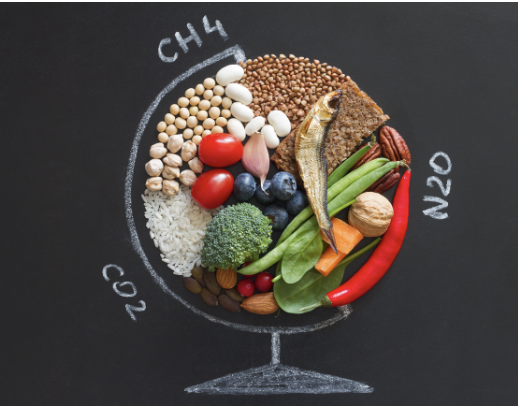
The study, published on June 10, 2024, in The American Journal of Clinical Nutrition, found that the risk of premature death was 30% lower in the top 10% of participants most closely adhering to the Planetary Health Diet compared to those in the lowest 10%. Every major cause of death, including cancer, heart disease and lung disease, was lower with greater adherence to this dietary pattern, said the study’s authors.
“For every major cause of death we looked at, there was a lower risk in people with better adherence to the Planetary Health Diet,” Walter Willett, M.D., professor of epidemiology and nutrition and co-author of the study, said in a statement.
In addition, the researchers found that those with the highest adherence to the PHD had a substantially lower environmental impact than those with the lowest adherence, including 29% lower greenhouse gas emissions, 21% lower fertilizer needs and 51% lower cropland use.
“Climate change has our planet on track for ecological disaster, and our food system plays a major role. Shifting how we eat can help slow the process of climate change. And what’s healthiest for the planet is also healthiest for humans,” Dr. Willet said.
The Harvard researchers noted that their work is the first large-scale study to directly evaluate the impacts of adherence to recommendations in the landmark EAT-Lancet report. Published in 2019, the report was the first full scientific review that brought together 37 world-leading scientists to ask the question, “Can we feed a future population of 10 billion people a healthy diet within planetary boundaries?”
While other studies have found that diets emphasizing plant-based foods over animal-sourced foods could have benefits for human and planetary health, most have used one-time dietary assessments, which produce weaker results than looking at diets over a long period of time, the authors noted.
As such, the researchers used health data from more than 200,000 women and men enrolled in Harvard’s Nurses’ Health Study I and II and the Health Professionals Follow-Up Study. Participants were free of major chronic diseases at the start of the study and completed dietary questionnaires every four years for up to 34 years. Participants’ diets were scored based on intake of 15 food groups — including whole grains, vegetables, poultry and nuts — to quantify adherence to the PHD.
“Eating more whole plant foods, less animal foods and less highly processed foods is better for people and planet alike,” David Katz, M.D., told CNN in a recent interview about the study. “In this paper, we see that same message amplified: Adhering to a dietary pattern conducive to the health of the planet and sustainability is associated with meaningful reductions in all-cause mortality.” Katz is the founder of the nonprofit True Health Initiative, a global coalition of experts dedicated to evidence-based lifestyle medicine.
“Our study is noteworthy given that the U.S. Department of Agriculture has refused to consider the environmental impacts of dietary choices, and any reference to the environmental effects of diet will not be allowed in the upcoming revision of the U.S. Dietary Guidelines,” said Dr. Willett. “The findings show just how linked human and planetary health are. Eating healthfully boosts environmental sustainability — which in turn is essential for the health and well-being of every person on Earth.”
In 2021, for the 50th anniversary of the publication of Diet for a Small Planet, Frances Moore Lappé wrote: “In 1970, I never imagined the impact of our diet on the looming life-and-death climate crisis. Nor that 40 years later my own daughter, Anna, would tackle this threat in Diet for a Hot Planet, enabling me to learn so much about the climate-food connection. If we achieve a societal shift toward plant-based diets, we can reduce greenhouse gas emissions from farming by as much as 70% by 2050.”
Lappé added: “Worldwide, if those eating meat-centered diets simply moved to popular low-meat or no-meat fare – such as traditional Mediterranean or vegetarian cuisine – emissions could be reduced by an amount equal to the current greenhouse gas emissions of all cars, trucks, planes, trains and ships. … More heartening news is that changes to farming and eating that benefit our Earth also enhance our health.”
Learn more:
Evaluating Population Diets and Planetary Health—Shining New Light
American Journal of Clinical Nutrition, June 10, 2024
Diet for a Hot Planet, by Anna Lappé, originally published in 2010
Diet for a Small Planet, by Francis Moore Lappé, originally published in 1971
Cracking Down on Fraud: USDA Organic Enforcement Rules Take Full Effect in March 2024

This article first appeared in Presence Marketing’s September 2023 newsletter.
By Steven Hoffman
Organic food is big business in the U.S. – sales of organic products topped $61 billion in 2022 – and the certified organic label fetches a premium price for producers. So much so that fraud from both domestic and imported sources had become a major concern among organic industry business owners, investors and advocates.
That’s why such leading organizations as the Organic Trade Association (OTA) and others applauded the U.S. Department of Agriculture (USDA) when, earlier this year, the agency announced the Strengthening Organic Enforcement (SOE) final rule, which is set to be fully implemented and enforced in March 2024.
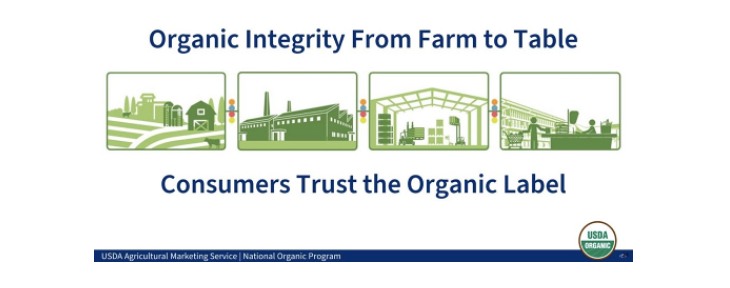
Representing the biggest change to organic regulations since the passage of the Organic Food Production Act in 1990, the SOE Rule was created to crack down on organic fraud. The new rule provides “a significant increase in oversight and enforcement authority to reinforce the trust of consumers, farmers, and those transitioning to organic production. This success is another demonstration that USDA fully stands behind the organic brand,” Jenny Lester Moffitt, USDA Under Secretary for Marketing and Regulatory Programs, said in a statement.
“The rule closes gaps in current organic regulations and builds consistent certification practices to prevent fraud and improve the transparency and traceability of organic products. Fraud in the organic system – wherever it occurs – harms the entire organic sector and shakes the trust of consumers in organic. This regulation will have significant and far-reaching impacts on the organic sector and will do much to deter and detect organic fraud and protect organic integrity throughout the supply chain,” OTA said in support of the new rule.
Liz Figueredo, quality and regulatory director at organic certifier Quality Assurance International (QAI), based in San Diego, California, told Nutritional Outlook in July 2023 that the new SOE Rule closes supply chain loopholes that existed in previous regulations. The new rule requires organic certification for all parts of the supply chain, including handlers and suppliers who were previously exempt, she said.
“This means that certifiers can no longer depend on documentation from uncertified handlers, which was often lacking, to verify the organic status of products. The rule also includes fraud-reduction techniques, such as requiring an Import Certificate for any organic ingredients or products imported into the U.S., which provides the total volume or weight of the imported products,” Figueredo said.
Who Is Affected by the New SOE Rule?
According to USDA, the SOE Rule may affect USDA-accredited certifying agencies; organic inspectors; certified organic operations; handlers of organic products; operations considering organic certification; businesses that import or trade organic products; retailers that sell organic products; and organic supply chain participants who are not currently certified organic.
Exemptions are limited to a few low-risk activities such as very small operations; certain retail establishments that do not process; storage and warehouse facilities that only handle products in sealed, tamper-proof containers or packages; distributors that only handle final retail-packaged products; and customs and logistics brokers that do not take ownership or physical possession of organic products.
However, exempt operations must still follow all other applicable portions of organic regulations, including co-mingling and contamination prevention, labeling requirements and record keeping. Transporters that only move organic products between certified operations, or transload between modes of transportation, do not need to be individually certified, but are the responsibility of the certified operation that loads or receives the product.
To see if your business is affected and for more information, visit the full text of USDA’s SOE Rule in the Federal Register. OTA, too, has a resource page with extensive information regarding preparing for full compliance with the SOE Rule, along with exclusive training materials for association members. OTA also offers a questionnaire for businesses that may not be sure if they need certification.
What Does the SOE Rule Do?
According to USDA, “SOE protects organic integrity and bolsters farmer and consumer confidence in the USDA organic seal by supporting strong organic control systems, improving farm to market traceability, increasing import oversight authority, and providing robust enforcement of the organic regulations.”
Key updates include:
Requiring certification of more of the businesses, like brokers and traders, at critical links in organic supply chains.
Requiring NOP Import Certificates for all organic imports.
Requiring organic identification on non-retail containers.
Increasing authority for more rigorous on-site inspections of certified operations.
Requiring uniform qualification and training standards for organic inspectors and certifying agent personnel.
Requires standardized certificates of organic operation.
Requires additional and more frequent reporting of data on certified operations.
Creates authority for more robust recordkeeping, traceability practices, and fraud prevention procedures.
Specify certification requirements for producer groups.
“SOE complements and supports the many actions that USDA takes to protect the organic label, including the registration of the USDA organic seal trademark with the USPTO. The registered trademark provides authority to deter uncertified entities from falsely using the seal, which together with this new rule provides additional layers of protection to the USDA organic seal,” USDA said.
For producers wanting to learn more about navigating and adhering to these new requirements, the Western Growers Association in partnership with the Organic Produce Network will host a session at its upcoming Organic Grower Summit, Nov. 29-30, 2023, in Monterey, California, entitled “The SOE Deadline Looms–Are You Ready?” The seminar is designed to help growers better understand the upcoming rule changes, which will affect producers, distributors, handlers and importers.
In addition, organic industry and policy veterans Gwendolyn Wyard and Kim Dietz recently founded Strengthening Organic Systems, an advisory firm focused on helping businesses with organic fraud prevention, supply chain investigations and compliance with USDA’s organic anti-fraud regulations.
Read More
How Will USDA’s Organic Regulation Changes Affect the Food and Nutraceutical Industries? – Nutritional Outlook
USDA Launches Organic Integrity Database Module – Organic Insider
Tighter Rules Now in Effect for USDA Organic Seal of Approval – Cosmetics and Toiletries News
Strengthening Organic Enforcement USDA Rule – California Certified Organic Farmers
USDA Bolsters Consumer Confidence in Certified Organic Products with New Enforcement Rule – New Hope Network
Steven Hoffman is Managing Director of Compass Natural, providing public relations, brand marketing, social media, and strategic business development services to natural, organic, sustainable and hemp/CBD products businesses. Compass Natural serves in PR and programming for NoCo Hemp Expo and Southern Hemp Expo, and Hoffman serves as Editor of the weekly Let’s Talk Hemp Newsletter, published by We are for Better Alternatives. Contact steve@compassnaturalmarketing.com.