
2026 Federal Hemp Ban: Understanding the Legislative Paradox Reshaping the Consumable Hemp Market
This article first appeared in the July 2026 issue of Presence Marketing’s newsletter.
By Steven Hoffman
For years, the natural products industry has served as the tip of the spear for plant-based wellness and agricultural innovation. Independent health food stores, natural grocery chains and co-ops were among the first to educate American consumers on the endocannabinoid system. They were the pioneers who brought hemp-derived CBD to the mainstream, championing a botanical remedy that offered millions relief from pain, anxiety and inflammation without the intoxicating effects of traditional marijuana.
Thanks to the 2018 Farm Bill, which legalized commercial hemp cultivation, a vibrant supply chain emerged. From the regenerative organic farmer cultivating the crop to the innovative manufacturer formulating tinctures and topicals, to the retailer curating wellness aisles, the hemp economy blossomed into a formidable market. According to Inc. Magazine, the hemp sector is now valued at a staggering $28.4 billion, supporting more than 300,000 jobs nationwide.
Yet, as we move through the summer of 2026, this thriving ecosystem faces an existential threat. A looming federal ban, passed quietly as a rider in a 2025 appropriations bill, threatens to decimate the consumable hemp market by the end of the year.
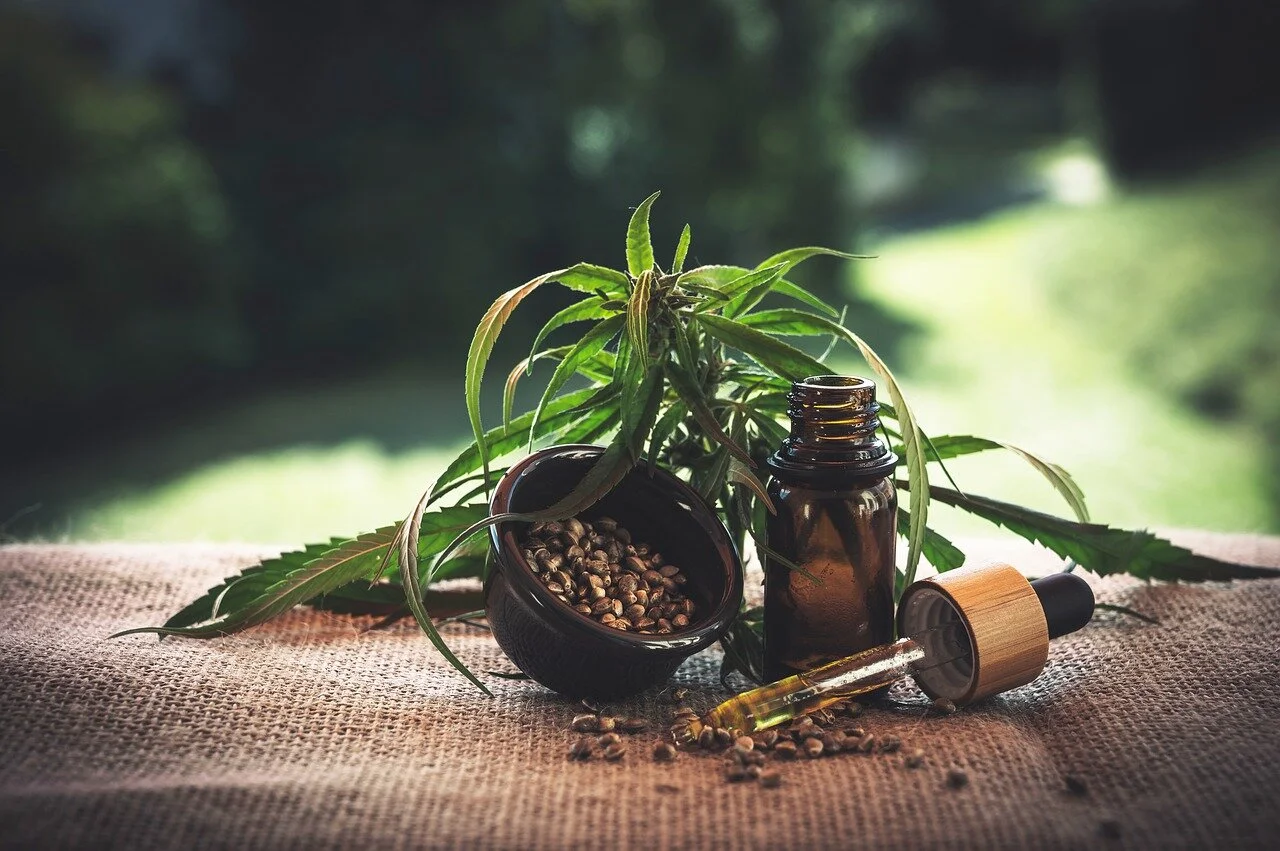
At the exact moment the federal government is taking historic steps to deregulate and reschedule marijuana, it is simultaneously moving to criminalize the non-intoxicating, therapeutic hemp products that natural products retailers have safely sold for years. For business owners, executives, and professionals in the natural and organic food market, understanding the mechanics of this ban, the paradox of federal cannabis policy, and the ongoing fight for agricultural seed sovereignty is critical to navigating the turbulent months ahead.
Section 781 and the November 12 Deadline
The crisis stems from the Appropriations Act for 2026, signed into law on Nov. 12, 2025, to end a government shutdown. Buried within the legislation was Section 781, a provision orchestrated largely by Representative Andy Harris (R-MD), who presides over the House Appropriations Subcommittee on Agriculture, and bolstered by the legislative weight of Senator Mitch McConnell (R-KY), that fundamentally redefines legal hemp in the United States.
Under the 2018 Farm Bill, hemp was defined as cannabis containing less than 0.3% delta-9 THC on a dry-weight basis. Beyond the promise of food and fiber products derived from hemp, this definition allowed for the proliferation of full-spectrum CBD products, which naturally contain trace amounts of THC. However, it also created a loophole that allowed chemists to synthesize intoxicating cannabinoids—like delta-8 THC and THCA—from legal hemp CBD, leading to a flood of unregulated, intoxicating products in convenience stores and gas stations across the country.
Rather than creating a robust regulatory framework to address synthetic intoxicants, Congress opted for a blunt instrument. As detailed by Vicente LLP, Section 781 shifts the definition of hemp to a "total THC standard" (0.3% total THC, inclusive of THCA and delta-8). More devastatingly, the law caps final-form hemp-derived cannabinoid products at a microscopic 0.4 milligrams of total THC per container.
Absent intervening legislation, this restrictive standard takes effect on Nov. 12, 2026. Because even non-intoxicating, full-spectrum CBD products naturally contain more than 0.4 milligrams of trace THC per container, the new law essentially throws the baby out with the bathwater. According to the U.S. Hemp Roundtable, the ban will render approximately 95% of existing hemp-derived cannabinoid products federally unlawful.
As Forbes recently noted, the new rules will knock out popular, non-intoxicating CBD products that consumers rely on daily. For natural products retailers, this means that the tinctures, gummies, and functional beverages currently driving significant foot traffic and revenue will likely become contraband overnight. According to Recovered.org, the law will stringently restrict the possession and sale of these products, particularly in states where marijuana remains illegal.
Retailers and Producers Raise the Alarm
The impending ban has sent shockwaves through the natural products supply chain. Retailers who meticulously vetted brands for organic certification, clean extraction methods and third-party testing are now facing the prospect of emptying their shelves of CBD products.
Local businesses and wellness practitioners are raising the alarm, arguing that federal policymakers have fundamentally misunderstood the products they are banning. "We have the backing of medical professionals in Lancaster, in Pennsylvania, and across the country that refer their patients to us for pain relief," Heather Kreider, owner of Hempfield Botanicals in Lancaster, PA, told Fox43. "I'm a registered nurse myself. I'm also a cannabis educator, so I take what we do here very seriously. We're doing the right things here; however, those bad players are not, and they're the ones that are causing the issues."
The collateral damage extends beyond the retail sector and into federal healthcare initiatives. As reported by The Guardian, the hemp ban will effectively derail a highly anticipated Medicare pilot program designed to reimburse seniors for hemp-derived products. The model program, which launched just months ago, covered up to $500 per year for eligible Medicare patients utilizing CBD products. The federal ban undermines this progress entirely, cutting off affordable access to natural wellness for vulnerable populations.
As the Alliance for Natural Health argues, the ban is "built on broken science." By targeting the trace, naturally occurring cannabinoids in full-spectrum hemp, the government is effectively outlawing a botanical medicine that millions of Americans rely upon daily.
The Marijuana Rescheduling Paradox
Perhaps the most bewildering aspect of the 2026 federal hemp ban is the stark policy contradiction it creates within the broader cannabis landscape.
While the federal government is lowering the hammer on non-intoxicating hemp products, it is simultaneously taking historic steps to deregulate traditional, high-THC marijuana. In recent months, federal agencies have moved to reschedule marijuana from Schedule I to Schedule III under the Controlled Substances Act, recognizing its medical utility and reducing tax burdens for state-licensed dispensaries.
This creates a jarring paradox for grocery retailers and natural food vendors: The federal government is facilitating the growth of the intoxicating, highly regulated dispensary market while actively criminalizing the non-intoxicating hemp market historically sold in mainstream grocery aisles.
Reason magazine recently highlighted this hypocrisy, noting that Mitch McConnell's push for the hemp ban betrays the very industry he helped create through the 2018 Farm Bill. The prohibition destroys a thriving industry to solve a regulatory issue that individual states were already handling effectively.
The backlash against this paradox has prompted unexpected political alliances. In April 2026, President Donald Trump took to Truth Social to push Congress to save the industry. Following his administration's historic moves to protect medical marijuana, Trump stated he was calling on Congress to update the law "to ensure that Americans can continue to access the full-spectrum CBD products they have come to rely on ... while preserving Congress’s intent to restrict the sale of products that pose health risks."
Seed Sovereignty: The Hidden Threat of Section 781
While the consumer impact of the hemp ban has dominated the headlines, Section 781 contains a more insidious threat to agriculturalists: the erosion of seed sovereignty.
In the regenerative agriculture and organic farming communities, seed sovereignty—the right of farmers to save, breed, and exchange seeds free from corporate or government overreach—is a sacred tenet. Yet, the new federal definitions deeply compromise this right. As detailed by Grow Weed Easy, the new federal hemp and cannabis seed law dictates that viable seeds from high-THC plants are explicitly excluded from the definition of legal hemp, even if the seeds themselves contain zero THC.
This linguistic shift in the federal code has profound implications. Green State reports that this little-known federal rule could effectively make vast swaths of cannabis seeds illegal, paralyzing the nation's seed banks, agricultural research institutions, and independent farmers. Local businesses are already feeling the chilling effect. In Maine, the Fairfield Hemp Seed Company warned that the federal bill could lead to their closure, stripping farmers of access to reliable, region-specific genetics
Leading the charge against this agricultural overreach is the American Seed Innovation & Genetics Association (ASIGA). In a comprehensive white paper regarding Section 781, ASIGA meticulously outlines how the government's conflation of mature plant cannabinoids with the genetic potential of a seed stifles agricultural innovation.
By criminalizing seeds based on their potential future THC expression rather than on their current chemical makeup, the federal government is erecting massive barriers to entry for independent breeders. ASIGA argues that seeds are the essential foundation of agricultural diversity. Without the legal protection to trade and cultivate diverse cannabis genetics, the industry risks consolidating into the hands of a few well-capitalized, multi-state operators, directly contradicting the anti-monopoly ethos of the natural products industry. For organizations championing seed sovereignty and legal clarity, repealing or amending Section 781 is not just about saving CBD gummies; it is about defending a farmer's fundamental right to the seed.
The Legislative Scramble: Will Congress Intervene?
With the November 12 deadline approaching, the hemp industry has launched a desperate legislative scramble to save itself.
Several lawmakers have attempted to introduce rescue measures. In the House, Rep. James Comer (R-KY) and Rep. Andy Barr (R-KY) introduced bills and amendments aimed at establishing a comprehensive regulatory framework or delaying the ban entirely. Three U.S. House Republicans recently attempted to thwart the intoxicating hemp product ban during Farm Bill negotiations, and another GOP lawmaker is currently circulating a bill to keep hemp THC drinks federally legal. Furthermore, the intoxicating hemp industry is actively seeking a rescue in Congress.
However, the political reality is grim. Despite bipartisan lobbying efforts, the U.S. Congress has repeatedly blocked the latest rescue attempts. According to Marijuana Moment, top marijuana reform groups concede that Congress is unlikely to prevent the new federal ban this year.
The broader cannabis industry finds itself fractured. Some stakeholders in the licensed marijuana dispensary space view the hemp ban as a victory, eliminating competition from unregulated hemp-derived products. As Hemp Today reports, bipartisan lobbyists have joined the cynical cause as intoxicating hemp faces its endgame, resulting in a situation where the federal axe is finally falling on intoxicating hemp.
Unfortunately, the collateral damage of this infighting is the natural and organic food retailer, the hemp farmer, and the consumer relying on full-spectrum CBD.
How Retailers and Brands Can Prepare
As we stare down the barrel of November 2026, business leaders in the natural products sector must be pragmatic. Hoping for a last-minute congressional miracle is not a viable business strategy.
While the question of which products will disappear under the national hemp ban remains unanswered pending potential enforcement guidance, retailers and manufacturers must audit their supply chains immediately. Brands should consult with legal counsel to understand their exposure to the 0.4-milligram total THC limit per container. Retailers must review their vendor agreements and prepare for significant SKU rationalization in their wellness aisles.
However, as MJBiz Daily astutely points out, hemp THC regulation is inevitable, but it’s not a ban—and operators must prepare. The natural products industry must pivot from reacting to prohibition to actively advocating for intelligent, science-based regulation. This means supporting organizations like ASIGA in the fight for seed sovereignty, and aligning with groups like the U.S. Hemp Roundtable and others to demand strict age restrictions on sales (age-gating), cGMP manufacturing standards, and truthful labeling over outright bans.
The natural products sector is no stranger to navigating complex regulatory shifts, and while retailers will ultimately adapt to the loss or transformation of a popular wellness category, the 2026 Federal Hemp Ban poses a genuine threat to the farmers, formulators, and producers who built the $28 billion consumable hemp products market. Moving forward, the survival of the consumable hemp sector depends not on a return to the unregulated gray market, but on a unified industry push for sensible, safety-focused legislation. By advocating for mandatory age verification, stringent manufacturing standards and seed sovereignty rather than blunt prohibition, the trade can chart a sustainable path forward—one that protects consumers, preserves retail revenue streams, and defends the agricultural innovators who supply them.
Steven Hoffman is Managing Director of Compass Natural Marketing, a strategic communications and brand development agency serving the natural and organic products industry. Learn more at www.compassnatural.com.
Non-UPF Verified Sets a New Standard for Ultra-Processed Foods
This article first appeared in the December 2025 issue of Presence Marketing’s newsletter.
By Steven Hoffman
In mid-November, an international team of 43 scientists released a landmark series of papers in The Lancet concluding that ultra-processed foods (UPFs) now pose a “clear global threat” to public health. Drawing on more than 100 long-term studies, Reuters reported that the series links higher UPF intake to increased risk of obesity, Type 2 diabetes, cardiovascular disease, cancer, depression, and all-cause mortality.
Coverage in outlets from The Guardian and ABC News to NPR underscores the gravity of the findings. One analysis noted that UPFs are associated with harm to every major organ system in the body, and that these products are rapidly displacing fresh and minimally processed foods worldwide. University of North Carolina nutrition researcher and Lancet series coauthor Barry Popkin told NPR, “We can say now that truly ultra-processed food represents a clear global threat to our health—not only our physical health but also mental health in terms of its impacts on depression.”
At the same time, a growing body of consumer and market research points to a widening trust gap. Many shoppers want to avoid UPFs but say they can’t easily tell what qualifies. A recent New York Times Well column explored why ultra-processed products are so hard to resist and so ubiquitous in modern diets, and highlighted the way industrial formulations can override normal satiety signals and blur the line between “food” and “edible product.”
Against this backdrop, the Non-GMO Project’s new Non-UPF Verified Standard lands at a pivotal moment for CPG brands, retailers, and the entire natural and organic products ecosystem.
From GMOs to UPFs: The Non-GMO Project widens its lens
On Nov. 12, the Non-GMO Project formally announced Version 1.0 of its Non-UPF Verified Standard, described as “the nation’s first comprehensive framework” for defining and verifying foods that are not ultra-processed, and called it the “first Non-UPF Verified standard to address the ultra-processed foods crisis.”
The new certification builds on the Non-GMO Project’s 18-year record of third-party verification and its iconic butterfly seal, now found on more than 63,000 products that represent an estimated $50 billion in annual sales.
“Around the world, more people are waking up to the realization that much of what fills our grocery carts is no longer truly food,” said Megan Westgate, founder and CEO of the Non-GMO Project and Non-UPF Verified, at a recent webinar unveiling the new standard. “Doctors and researchers increasingly describe these products as ‘processed edible substances’—industrial formulations engineered for palatability and shelf life rather than nutrition.”
Westgate is careful to say this is not an attack on processing per se. As she told Food Business News: “Processing itself isn’t the enemy. It’s how and why it’s done that matters. The Non-UPF Standard defines a middle ground where convenience and nourishment can genuinely coexist.”
In practice, that “middle ground” is defined by a rigorous ingredient and processing criteria, which are detailed in the Non-UPF Verified Standard v1.0.
Why ultra-processed foods are under fire
The Lancet series and surrounding news coverage sharpen a distinction many in the natural channel have understood for decades: It’s not just what’s in food, but also how it’s made.
The Guardian’s coverage of the Lancet research noted that more than half of the average diet in the U.S. and U.K. now consists of UPFs, with some low-income and younger populations getting up to 80% of their calories from these products. Citing CDC data, ABC News reported that Americans on average consume over half of their daily calories from UPFs.
The Lancet authors point to several mechanisms by which UPFs drive harm:
Disrupted food structure and “hyper-palatability” that encourage overeating and rapid absorption of refined starches and sugars.
High levels of added sugar, sodium, and unhealthy fats.
Widespread use of cosmetic additives and ultra-refined ingredients, some of which may alter gut microbiota or expose consumers to contaminants such as phthalates.
Aggressive marketing and product design that exploit biological reward pathways, particularly in children (MAHA Commission).
In the NPR report, Lancet series coauthor Marion Nestle, professor emerita of nutrition and food studies at NYU and author of “Food Politics,” drew a direct line between the science and the need for policy and marketplace action. She noted that some countries, including Chile, have already shown that warning labels, marketing restrictions, and school food reforms can curb UPF intake. “It’s time to take on the industry,” Nestle said. “They’ve got to stop.”
The Lancet series and recent media reporting all make the point: Ultra-processed foods are not just one more dietary risk factor. They are a structural driver of global chronic disease—and the food system will not change without clear definitions, strong incentives, and credible labels.
‘Disconnected’: What consumers are telling us
In October, the Non-GMO Project released a consumer research report titled “Disconnected,” which summarized the attitudes of U.S. shoppers toward UPFs and the modern food system. Some of the topline numbers from “Disconnected” and related research are striking:
A 2024 Non-GMO Project survey found that 85% of Americans want to avoid ultra-processed foods, but most say they feel overwhelmed and unsupported in trying to do so.
Internal research from the Non-GMO Project’s Food Integrity Collective showed that 68% of shoppers actively try to avoid UPFs, and 70% say they need clearer labeling or third-party verification.
New Hope Network reported that 72% of Americans say they are trying to avoid ultra-processed foods, signaling a powerful demand across mainstream and natural retail.
“Disconnected” emphasized that consumers feel the food system is “out of their hands” — dominated by large corporations using engineered ingredients that are disconnected from natural food sources.
In other words, shoppers are ahead of policy. They are already looking for ways to opt out of UPFs, but they lack tools they can trust. That, more than anything, is the market gap the Non-UPF Verified Standard aims to fill.
The architecture of the Non-UPF Verified Standard
The Non-UPF Verified Standard approaches ultra-processing through two essential frameworks: ingredient integrity and formulation, and processing limits.
1. Ingredient integrity and formulation
The standard targets ingredients that are either emblematic of ultra-processed formulations or under scientific scrutiny for metabolic, neurological, or gut impacts. Collectively, these criteria are designed to protect what the standard calls structural integrity, nourishment, and transparency, steering innovation away from “cosmetic” ingredients and toward minimally processed building blocks:
Non-nutritive and bio-transformed sweeteners (such as aspartame, sucralose, stevia extracts, erythritol, and other sugar alcohols) are prohibited as sugar substitutes. Minimally processed stevia leaf preparations may be allowed only at flavor-level use, not as a core sweetener.
Added sugars are capped by category, typically ranging from low single-digit percentages (by dry weight) for soups, sauces, snack foods, and proteins, to stricter limits for beverages and breakfast foods, and up to roughly 20% for desserts and 40% for some confectionery categories.
Gums, thickeners, hydrocolloids, and texturizers produced via industrial degradation or fermentation—such as carrageenan, microcrystalline cellulose, polysorbates, polydextrose, xanthan gum, and maltodextrin— are largely prohibited.
Artificial colors and certain processed oils are excluded.
Natural flavors are confined to use cases where the corresponding “real” ingredient is present and may not be used to mask the absence of whole foods.
2. Processing limits and food structure
Not all processing is equal. The Non-UPF Verified Standard distinguishes among permissible, conditional, and prohibited methods and requires that:
At least 70% of a product’s weight (or dry weight, for certain categories) must be minimally or moderately processed using permissible methods that preserve the food matrix.
Up to 30% may be “conditionally processed”—for example, certain protein isolates or powders—if they meet specific criteria.
High-impact chemical, structural, thermal, or biological modifications are not allowed, including synthetic biology and 3D-printed ingredients.
The intent is to address the very features UPF critics highlight: extensive fractionation and recombination of ingredients, aggressive “engineering” of texture and flavor, and techniques that break down food structure to the point where the body no longer recognizes the substance as food.
As the standard notes, UPF is as much about the degree and purpose of processing as about individual ingredients. The Non-UPF framework is one of the first to operationalize that insight in a way that is auditable at the product level.
The full standard is publicly posted at NonUltraProcessed.org. The Project has signaled that it will update its prohibited ingredient list annually based on emerging science and pilot feedback.
Pilot brands, early adopters and the reformulation challenge
If Non-UPF Verified is to matter, it has to show up on shelves. The early signs are promising.
A pilot cohort of 16 brands—including both mission-driven emerging companies and established names—has been working with the Non-GMO Project and independent technical administrators to test the Non-UPF verification model across nearly every aisle. In addition, New Hope Network reported that 200 brands are already on the wait list, and that the Non-UPF Verified seal is expected to begin appearing on packages in 2026.
In Douglas Brown’s New Hope Network feature, “Non-UPF Verified: Must-Knows for Natural Brands,” Westgate characterized the program as “a movement, not just a mark,” and noted that reformulation will be essential in categories dependent on gums, stabilizers, and added sugars. “We have some cleaning up to do in this industry,” she said. “Reformulations are needed. We need less sugars and gums. It’s going to be a process. But it does seem like brands are really paying attention.”
For many natural and organic manufacturers, the reformulation challenge may feel familiar. Non-GMO and organic standards forced reevaluation of supply chains and ingredient decks; Non-UPF now pushes deeper into how those ingredients are combined and processed.
For mission-driven brands backed by retailers that cater to ingredient-savvy shoppers, the upside could be substantial:
Differentiation in crowded categories such as ready-to-eat meals, plant-based meats, beverages, and snacks, where formulations can drift toward UPF territory even in “natural” sets.
Alignment with policy trends, as HHS, USDA, and FDA explore definitions and potential regulatory approaches to UPFs.
Deeper consumer trust, particularly among shoppers who already use Non-GMO Project and organic seals as navigational tools in the aisle.
For contract manufacturers and ingredient suppliers, however, this is more than a marketing play—it’s a roadmap for where formulation business is likely headed.
Industry response: Caution, criticism, and opportunity
The Non-UPF standard does not exist in a vacuum. Trade groups and conventional food manufacturers are watching closely and some are pushing back.
Food Business News noted that while states such as California have begun to legislate around certain additives and ultra-processed foods, groups like the Grain Foods Foundation argue that some UPFs can fit into healthy dietary patterns, especially when fortified or reformulated.
More broadly, many industry stakeholders have urged federal agencies to avoid definitions that hinge on processing intensity, arguing that frameworks like the NOVA classification system paint with too broad a brush and risk demonizing shelf-stable, affordable foods.
Westgate and her team acknowledge these debates. In FoodNavigator-USA’s report on the standard, she described the NOVA system as foundational but “not built to solve at the product level,” and emphasized that Non-UPF Verified is designed to be auditable, enforceable, and feasible within current food system realities.
At the same time, the Lancet series and global media coverage are shifting the terms of the debate. ABC News quoted experts who warn that global UPF proliferation is a major public health threat and that voluntary, incremental steps are unlikely to be enough.
In that context, voluntary third-party standards such as Non-UPF Verified may serve a dual role as a pre-regulatory signal to policymakers that industry is capable of responding to the science, and as a competitive differentiator for brands and retailers.
What it means for natural & organic CPG leadership
For marketers in the natural and organic products community, the Non-UPF Verified Standard is not just another badge on the front of the pack. It is a concrete response to three converging forces:
Escalating science: The Lancet series, joined by years of epidemiology, clinical research, and meta-analyses, makes a compelling case that UPFs are a unique risk category and that their impact is global.
Consumer anxiety and demand for coherence: Shoppers are hungry for standards that make sense of conflicting information and give them real agency.
Regulatory and reputational risk: As HHS and USDA gather input on UPF definitions, and as advocacy groups press for action, companies that stay tethered to hyper-processed formulations may find themselves on the wrong side of both policy and public opinion.
For natural and organic brands—many of which built their identity on getting ahead of GMO, pesticide, and synthetic additive concerns—Non-UPF Verified is an invitation to lead again. That leadership could take several forms:
Portfolio mapping: Assess where current SKUs fall on the processing spectrum, and identify quick wins for reformulation versus long-term R&D projects.
Supplier engagement: Challenge ingredient partners to develop minimally processed alternatives to emulsifiers, texturizers, and refined oils that violate the Non-UPF criteria.
Retailer collaboration: Work with retailers to pilot Non-UPF assortments, shelf tags, and consumer education in key categories.
Storytelling and transparency: Use packaging, digital channels, PR, and in-store activations to explain how Non-UPF Verified complements existing organic, non-GMO, regenerative and other claims.
A call to action
The publication of the Non-UPF Verified Standard is not the final word on ultra-processed foods; however, it is the opening of a new chapter. Science will continue to evolve. Policymakers will debate definitions and regulatory levers. Industry groups will push back, negotiate, and in some cases innovate.
But the direction is clear. When The Lancet, The New York Times, The Guardian, NPR, ABC News, and the natural products trade press all make the same point—that ultra-processed foods are undermining global health and consumer trust—the question for our industry is not whether to respond, but how quickly.
For brands that built their business on “better for you,” Non-UPF Verified offers a unique opportunity to help redefine what “better” means at the level of processing itself, and to align product portfolios with a future in which real food—and the integrity of how it’s made—once again takes center stage.
For more information on the standard, please refer to the full Non-UPF Verified Standard v1.0, the Non-GMO Project’s launch announcement, and the Disconnected research report, available via the Non-UPF team’s Google Drive link.
Steven Hoffman is Managing Director of Compass Natural Marketing, a strategic communications and brand development agency serving the natural and organic products industry. Learn more at www.compassnatural.com.