
How a Surprise Vote on Pesticides Reshaped the 2026 Farm Bill
This article first appeared in the June 2026 issue of Presence Marketing’s newsletter.
By Steven Hoffman
The U.S. food and agriculture sector is navigating a pivotal transition as new legislative actions and regulatory shifts take shape. Recent developments in Washington are establishing a new policy landscape that business owners, brand executives, retailers, and farmers in the natural, organic, and regenerative space will need to monitor closely.
On April 30, the U.S. House of Representatives passed the Farm, Food, and National Security Act of 2026 by a vote of 224–200, marking the first major movement on a Farm Bill since 2018. However, for a natural and organic industry that has now grown into a $325.2 billion market, according to the Natural Foods Merchandiser 2025 Market Overview, the current legislation has drawn mixed reactions regarding its alignment with modern agricultural practices and evolving consumer demand.
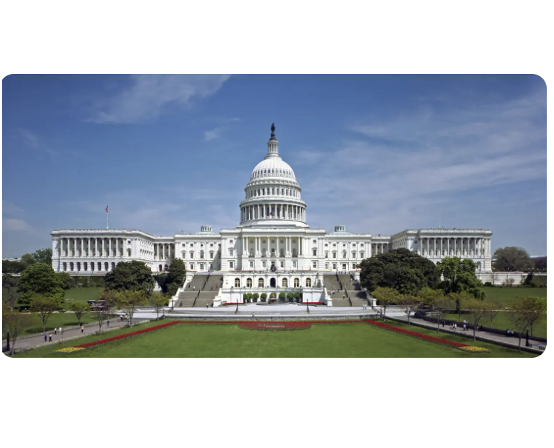
As the bill moves to the Senate, where its passage remains uncertain, it introduces a mix of regulatory adjustments, funding reallocations, and structural reorganizations. These legislative changes, combined with a concurrent restructuring at the U.S. Department of Agriculture (USDA), present both operational challenges and new market dynamics for the natural products industry.
The following is an overview of these policies, the political context, and the business implications for the regenerative and organic food supply chain.
The MAHA Movement and a Shift in Pesticide Regulation
One of the most notable developments to emerge from the House Farm Bill debates was a bipartisan vote regarding pesticide oversight—a legislative shift influenced in part by the Make America Healthy Again (MAHA) movement.
For months, the drafted Farm Bill contained language designed to federally preempt states from requiring health and cancer warning labels on pesticides, a provision intended to protect agrochemical manufacturers from state-level lawsuits. However, the House voted, 280-142, to strip this pro-pesticide language from the bill.
According to Politico, this vote represents a major win for MAHA-aligned Republicans and Democrats. The amendment to remove the shield was championed by Rep. Anna Paulina Luna (R-Fla.), who had signaled she would oppose the entire Farm Bill if the protections remained. Despite pressure from House Agriculture Chair G.T. Thompson (R-Pa.), who argued the shield was necessary to prevent “frivolous lawsuits” and to protect crop yields, 73 Republicans joined the majority of Democrats to remove the provision.
This legislative fight highlights the increasing complexity of food politics. As reported by the Montana Free Press, Bob Quinn, a renowned organic kamut farmer from Big Sandy, Montana, noted his surprise at the outcome, acknowledging the historical influence of the pesticide lobby. Interestingly, six Democrats representing regions with heavy pesticide use voted with the chemical industry to bar state labels, showcasing the fact that regional agricultural interests often intersect with party lines.
The removal of the liability shield is being hailed as a significant public health and environmental victory. According to Friends of the Earth, stripping the shield affirms that corporations selling chemicals linked to human health concerns should not be insulated from state-level oversight. Similarly, Kathleen Merrigan, executive director of the Swette Center for Sustainable Food Systems, told FoodTank that the MAHA movement has pushed the pesticide issue to a "tipping point" in food policy.
Even conservative outlets are analyzing this shift. An op-ed in Fox News questioned the broader coherence of a Farm Bill that maintains high levels of agrochemical support while elements of the party simultaneously back MAHA principles.
The Business Takeaway: For natural and organic CPG brands, this development provides a distinct market signal. Consumers are increasingly attentive to the use of synthetic inputs. With states retaining the right to mandate health warnings on conventional, chemically treated products, the value proposition of the USDA Organic label and third-party certifications like Regenerative Organic Certified (ROC) will likely strengthen. Brands should continue to emphasize transparency and clean-label marketing, as the regulatory contrast between conventional and organic agriculture becomes more visible.
Organic Legislation: Modest Progress Amid Broader Funding Cuts
While the pesticide provision's removal was a focal point, the broader Farm Bill presents a challenging framework for the organic and sustainable agriculture sectors.
The Organic Trade Association (OTA) noted that the House-passed bill includes some important wins for organic agriculture, but it stressed that federal policy must evolve to support the sector proactively rather than treat it as an "afterthought." Despite the industry's significant retail footprint, the National Organic Coalition warned that the legislation "largely assumes a stagnant organic marketplace rather than making the targeted investments needed to support continued growth."
Critiques of the bill suggest it continues to heavily favor industrial agribusiness. According to Friends of the Earth, the legislation reduces critical conservation funding—including a $1 billion cut to the Environmental Quality Incentives Program (EQIP)—while shifting resources toward subsidies for larger agribusiness operations. Furthermore, the bill attempts to override voter-approved laws such as California’s Proposition 12, which mandates humane animal welfare standards, potentially invalidating numerous state and local measures on food safety and environmental protection.
Conservation programs remain a cornerstone of the regenerative movement. As The Nature Conservancy highlights, the Farm Bill typically provides roughly $6 billion annually for conservation work on private working lands. Reducing these incentive-based programs may stifle farmers' ability to transition to climate-smart, soil-building practices.
The National Sustainable Agriculture Coalition (NSAC) states that the bill "falls unmistakably short" in addressing the current needs of farmers. NSAC points out that producers are currently facing abrupt trade policy shifts and federal workforce reductions. Earlier this year, the USDA began freezing and terminating held contracts, disrupting planning for the 2025 and 2026 planting seasons for many small and mid-sized producers.
SNAP Policy Changes and Food Access
Another critical component of the House Farm Bill is its approach to nutrition assistance. The legislation outlines $187 billion in cuts to the Supplemental Nutrition Assistance Program (SNAP), alongside expanded work requirements for certain demographics and stricter eligibility rules, according to Food & Wine.
The Center on Budget and Policy Priorities estimates that one in eight participants could lose access to some form of food relief as a result of these measures. Kathleen Merrigan noted via FoodTank that food pantries are already seeing increased demand, a trend that could accelerate later in the year as the cuts take full effect.
The Business Takeaway: SNAP funding is integral to the broader grocery economy, injecting tens of billions of dollars into retail annually. Reductions in food purchasing power can cause a ripple effect across the entire grocery ecosystem. Natural and organic retailers, who have increasingly integrated SNAP benefits to democratize access to healthier foods, may see shifts in consumer purchasing behavior. Brands and retailers will need to evaluate pricing strategies and explore ways to maintain accessibility without compromising on product integrity.
Organizational Restructuring at the USDA
Alongside the legislative process in Congress, recent administrative and structural changes within the USDA under Secretary Brooke Rollins are impacting the organic community's oversight and funding mechanisms.
Recent reports indicate a rollback of infrastructure designed to support alternative agriculture. In a recent op-ed published by Civil Eats, it was noted that the USDA abruptly canceled $300 million in contracts for the Increasing Land, Capital, and Market Access Program (ILCM). This program was established to help underserved and first-generation farmers overcome barriers to entry; its termination halts 50 community-based agricultural projects nationwide.
Staffing challenges within the USDA are also drawing attention. According to the Federal News Network, a significant majority of USDA researchers tapped for an agency relocation have declined to move, raising concerns about a potential reduction in agricultural research capacity.
This staffing shift directly affects the organic sector. According to industry watchdog OrganicEye, the National Organic Program (NOP)—which oversees certification within the $76 billion organic products market—has reportedly seen staff reductions of up to 30%. In addition, Secretary Rollins delayed appointing five members to the 15-member National Organic Standards Board (NOSB) prior to their spring meeting.
Consequently, the NOSB convened in Omaha last month with only 10 members. OrganicEye reported that this lack of representation for key constituencies—such as farmers, consumers, and scientists—strays from the original intent of the Organic Foods Production Act of 1990, leading to concerns that business conducted during the meeting could face legal challenges.
Personnel reductions extend to the Natural Resources Conservation Service (NRCS), a key agency assisting farmers with soil health improvements. As reported by Organic Insider, the NRCS has reportedly lost approximately 22% of its staff, leaving offices in several vital agricultural states operating with limited personnel. This comes shortly after the launch of a $700 million pilot program aimed at boosting soil health, raising questions about the agency's capacity to administer the new funds effectively.
The cumulative impact of these changes is placing significant pressure on producers. Food industry analyst Robyn O'Brien highlighted this convergence of factors on her Substack, noting that farmers are currently facing "a convergence of policy decisions, tariffs, immigration crackdowns, energy freezes, [and] budget cuts" that threaten operational stability.
The Senate's Role and the Path Forward
With the House-passed Farm Bill viewed by many as highly partisan and unlikely to pass the Senate in its current form, industry stakeholders are focusing their attention on the upper chamber. Senate markups are expected in June, and differing legislative priorities are already emerging.
Sen. Adam Schiff (D-Calif.), a new voice on the Senate Agriculture Committee, has outlined a contrasting legislative vision. According to AgInfo, Schiff’s priorities include enhanced support for specialty crops, regional food systems, organic agriculture, and expanded fruit and vegetable purchasing within federal food programs. Additionally, Schiff has stated his intention to oppose any Farm Bill language that overrides state-level animal welfare standards like California’s Proposition 12, while advocating for the protection of SNAP benefits.
Industry Implications and Next Steps
For business leaders in the natural, organic, and regenerative agriculture sectors, navigating this transition requires strategic adaptation. The legislative and regulatory events of the past month underscore a shift in federal support structures for sustainable food systems.
With government grants for new farmers being canceled, adjustments to the organic oversight board, and proposed reductions in conservation funding, the private sector may need to assume a larger role. As noted by Organic Insider, brands, investors, and retailers have an opportunity to privately fund transition programs, invest in supply chain resilience, and cultivate direct, supportive partnerships with farmers managing these macroeconomic pressures.
At the same time, the industry can look to align with the shifting priorities of consumers. The bipartisan rejection of the pesticide liability shield demonstrates that shoppers across the political spectrum are prioritizing clean food, transparency, and corporate accountability. Industry advocacy will remain crucial as the Senate drafts its version of the Farm Bill—urging investments in organic research, the protection of nutrition assistance, and policies that recognize regenerative agriculture as a key component of the nation's food economy.
As agricultural policy continues to be debated in Washington, it is essential for the natural products industry to remain engaged, ensuring that future legislation supports the health of the soil, the economic viability of the farmer, and the well-being of the consumer.
Steven Hoffman is Managing Director of Compass Natural Marketing, a strategic communications and brand development agency serving the natural and organic products industry. Learn more at www.compassnatural.com.
Can Trump’s Support Move the Needle on CBD?
Could President Donald Trump's recent endorsement of hemp-derived CBD products provide new momentum for an industry that has struggled in recent years under a patchwork of inconsistent state and federal regulations?
This article first appeared in the November 2025 issue of Presence Marketing’s newsletter.
By Steven Hoffman
In what industry observers have called a surprise move, on Sept. 28, President Donald Trump posted a video on his Truth Social platform promoting the health benefits of cannabinoids, suggesting that covering hemp-derived CBD under Medicare would be a “game changer” and “the most important senior health initiative of the century.” At a time when some members of Congress are pushing for policy changes that could upend the CBD market, Trump’s implied endorsement of CBD is remarkable.
Trump’s post supporting Medicare coverage for CBD products sparked a 36% rise in publicly traded cannabis stocks in the weeks that followed, Yahoo Finance reported. The post also raised hopes that the White House might take a more permissive approach to marijuana regulation following Trump’s statement in August that his administration was exploring a potential reclassification of marijuana — an effort originally proposed under the Biden administration. Removing cannabis from its Schedule I status would mean the federal government acknowledges the plant’s medicinal value.
“I’ve heard great things having to do with medical, and I’ve [heard] bad things having to do with just about everything else,” Trump said during an Aug. 11 White House press conference. “But medical and for pain and various things, I’ve heard some pretty good things.”
The video Trump shared was produced by The Commonwealth Project, an organization dedicated to improving health and longevity for older Americans. It was founded by Howard Kessler, a billionaire and philanthropist with ties to the CBD industry and a longtime friend of Trump’s. According to Independent Voter News, Kessler believes “that medical cannabis could be harnessed to not only provide older Americans with an alternative to traditional prescription painkillers but to reduce soaring health care costs saddling millions of seniors.”
In the video promoted on Truth Social, CBD was described as a way to "revolutionize senior healthcare" by helping reduce disease progression. The narration claimed CBD could help “restore” the body’s endocannabinoid system and ease pain, improve sleep and reduce stress in older adults. It also cited a Fox News segment referencing a Price Waterhouse Coopers report that estimated potential cost savings of “$64 billion a year if cannabis is fully integrated into the healthcare system.”
A Boston- and Palm Beach, Florida-based entrepreneur and philanthropist, Kessler founded Kessler Financial Services, which helped pioneer affinity credit cards. He later obtained one of Massachusetts’ first medical marijuana licenses in 2014, and became the state’s first recreational seller before his company was acquired by a Georgia cannabis firm in 2019. In June 2024, Kessler appeared on Fox News to discuss his efforts to integrate medical cannabis into traditional health care for seniors.
Regulatory Confusion Hinders CBD Market
Regulations around the commercial use of hemp and CBD were significantly eased across the U.S. when industrial hemp was legalized under the 2018 Farm Bill during Trump's first term. However, since its passage, a growing number of state-level battles and lawsuits have emerged regarding the definition of hemp, the “intoxicating hemp” loophole around hemp-derived Delta-8 THC, and the lack of consistent federal and state regulatory frameworks for the cultivation, manufacture, marketing and sale of hemp-derived cannabinoids such as CBD, according to national law firm Buchanan Ingersoll & Rooney.
Trump’s implied endorsement of CBD comes as a bipartisan group of lawmakers pushes back against attempts to ban hemp-derived THC products, arguing that such action would “deal a fatal blow” to the hemp industry and violate congressional rules. In a letter sent to House Speaker Mike Johnson (R-LA) on Sept. 26, House Oversight and Government Reform Committee Chairman James Comer (R-KY) and 26 other members warned that appropriations legislation containing hemp ban provisions would devastate the industry that emerged after hemp’s 2018 legalization.
A group of eight Democratic senators also sent a letter in September urging leadership to pursue regulation rather than prohibition, warning that banning products containing any amount of THC would trigger major upheaval in the hemp market. (Under the 2018 Farm Bill, hemp is legally defined as containing no more than 0.3% THC on a dry weight basis.) Meanwhile, dozens of hemp farmers from Kentucky have urged Senate Minority Leader Mitch McConnell (R-KY) to back away from efforts to re-criminalize certain hemp-derived products, Louisville Public Media reported.
Kentucky Sen. Rand Paul also warned that the cannabis policy movement has “swung hard on the prohibitionist side.” In June, he introduced the Hemp Economic Mobilization Plan (HEMP) Act to counter potential restrictions, proposing to triple the amount of THC allowed in hemp while addressing several other regulatory challenges facing the industry.
For its part, the U.S. Food and Drug Administration (FDA) reaffirmed in January 2020 that it is unlawful to introduce food containing added CBD into interstate commerce, or to market CBD as, or in, dietary supplements. Now, according to Marijuana Moment, while Trump was endorsing CBD on Truth Social, the FDA quietly updated its adverse drug event reporting forms to track incidents related to hemp-derived cannabinoids, including CBD — part of an effort to gather more data on potential health effects associated with such products.
Hemp Industry Responds to President’s Support
In an Oct. 7 letter to President Trump, Jonathan Miller, legal counsel for the U.S. Hemp Roundtable, praised the president’s acknowledgment of hemp’s potential and urged him to oppose the proposed hemp ban:
"The recent video you shared about the extraordinary value of hemp products was important, raising awareness on the positive impact our American-grown and manufactured products have. Here at the U.S. Hemp Roundtable, our members are focused on giving Americans choices in improving their overall health and wellness ... but now we need your help! Congress is close to passing a hemp ban, reversing the work you led in 2018 to make hemp blossom. A proposed definition change to hemp, being touted as protecting Americans, would wipe out 95% of this uniquely American industry that you are so proud of,” Miller stated.
He continued: “A more effective way to protect American consumers and jobs would be to support and demand robust hemp regulation — age restrictions along with uniform testing, labeling, and packaging requirements. Outright prohibition is not the answer, nor would it make anyone safer. Banning legal hemp products that are already regulated at the state level will not protect consumers; it would only shift hemp to the black market and destroy a rising American industry in the process. ... A ban would put American farmers, American businesses, American consumers, our veterans, seniors, and more than 328,000 American workers at risk."
Miller added that "American voters are on your side on this issue. In Texas, a state with a rapidly growing hemp market, 76% of your voters and 78% of seniors favor legal, regulated hemp sales. In fact, more than 62% of Texans say they are more likely to support candidates who back the regulated sale of hemp-derived products."
Bottom line: Trump’s apparent support for CBD could mark a turning point for a sector long constrained by legal uncertainty. Whether the endorsement leads to meaningful policy change remains to be seen — but it has already reignited momentum, investment, and public discourse around hemp-derived wellness products in America’s fast-evolving natural health market.
Steven Hoffman is Managing Director of Compass Natural Marketing, a strategic communications and brand development agency serving the natural and organic products industry. Learn more at www.compassnatural.com.