
Federal Actions Focus on Greater Transparency for GMOs & Ultra-Processed Foods
This article first appeared in the September 2026 issue of Presence Marketing’s newsletter.
By Steven Hoffman
For years, leaders in the natural and organic products industry have advocated for a simple, fundamental consumer right: the right to know exactly what is in the food we eat. Despite the steady growth of the natural channel and the soaring consumer demand for clean labels, federal regulations have historically provided conventional food manufacturers with ample regulatory shelter. Through confusing digital disclosures, vague ingredient definitions, and self-certified safety standards, the conventional food sector has often avoided the level of transparency that natural and organic brands readily provide to their customers.
However, a confluence of landmark judicial and federal regulatory actions in August 2026 has signaled a significant paradigm shift. Within a single month, a federal court struck down the regulatory loophole allowing genetically modified organisms (GMOs) to be hidden behind QR codes, while the U.S. Department of Health and Human Services (HHS) and the U.S. Department of Agriculture (USDA) advanced efforts to formally define ultra-processed foods (UPFs) and tighten the oversight of self-certified food additives.
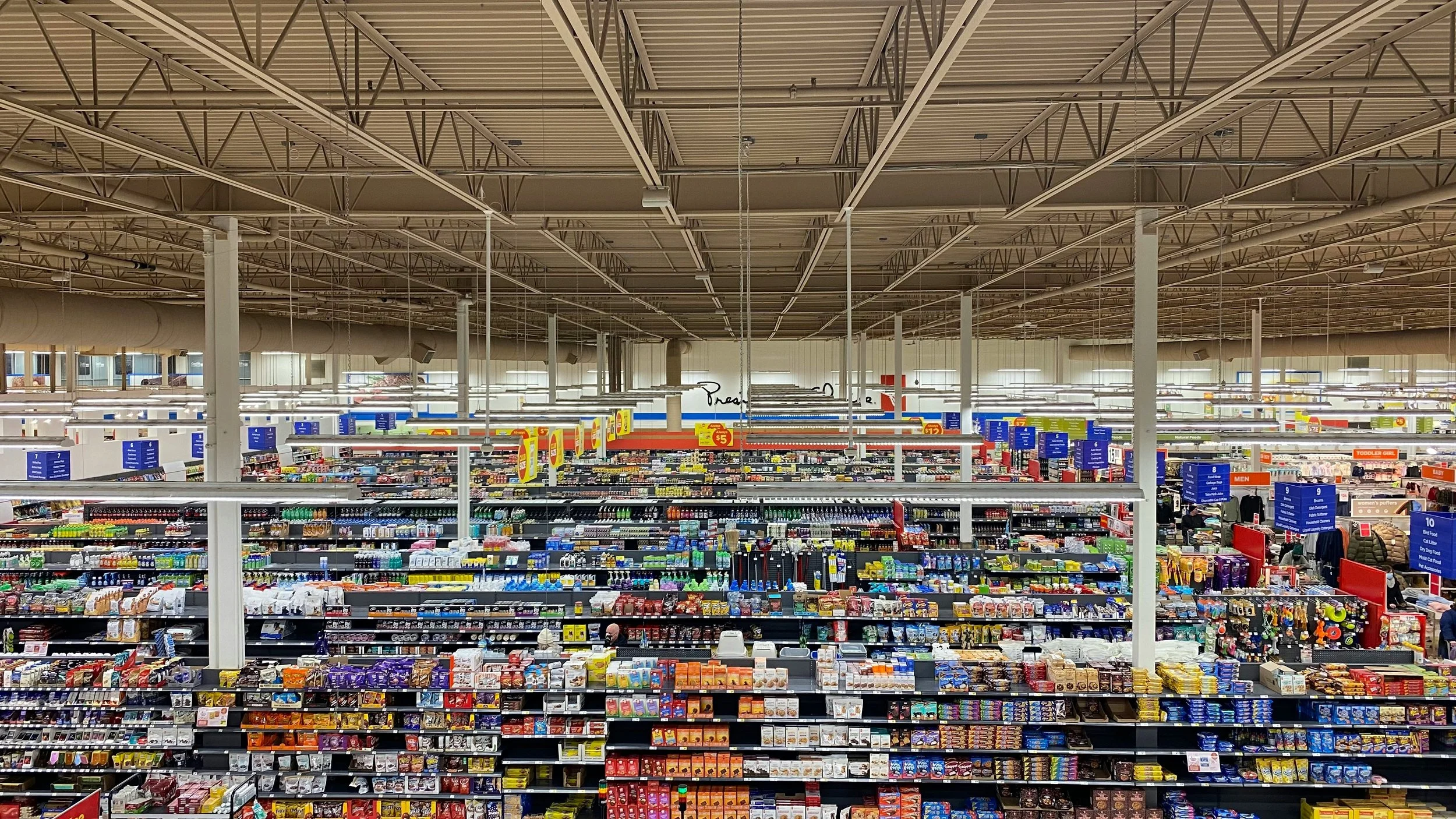
For business owners, executives, and professionals in the natural, organic, and regenerative agriculture markets, these actions validate decades of persistent advocacy. More importantly, they stand to reshape the competitive grocery landscape, potentially forcing conventional brands to reformulate their products or face a new era of mandatory, unavoidable on-package transparency.
The Demise of the QR Code Loophole
The movement toward transparent GMO labeling achieved a decisive victory when a federal district court issued a final remedy decision regarding the USDA's bioengineered food labeling rules. According to the Center for Food Safety, the court ruled that the USDA must rewrite its National Bioengineered Food Disclosure Standard by Jan. 1, 2028, effectively voiding the provisions that previously allowed companies to obfuscate GMO disclosures.
The litigation, which was championed by a coalition of natural food retailers and consumer advocacy groups—including Natural Grocers and PCC Natural Markets—targeted two specific, controversial loopholes in the original 2018 regulation. First, the USDA had allowed food manufacturers to use a digital QR code, text message, or web address as the sole method of disclosing bioengineered ingredients. Critics argued this was fundamentally discriminatory, as it placed an undue burden on consumers who either lacked smartphones, experienced poor internet connectivity in grocery aisles, or simply did not know that a digital scan was required to view ingredient information.
Second, the original rule exempted "highly refined" ingredients from being labeled as bioengineered if the modified genetic material was no longer detectable through standard DNA testing. This exemption allowed a vast swath of ultra-processed ingredients—such as highly refined corn syrup, canola oil and soy oil—to avoid GMO labeling entirely, even though they were derived from genetically modified crops.
As reported by Food Dive, the federal court has now mandated that the USDA close these loopholes. The court’s official vacatur order requires the agency to implement clear, on-package text or symbols and to comprehensively address the disclosure of highly refined, ultra-processed GMO ingredients.
The reaction from the natural products community has been swift and celebratory. Max Goldberg, editor and publisher of Organic Insider, noted in a recent LinkedIn post: “The headline that Big Food has been dreading. Why? Because the QR code loophole is dead. A federal court just ordered the USDA to rewrite its GMO labeling rules by January 1, 2028 — and this time, there's nowhere to hide. For years, up to 80% of GMO products dodged real disclosure. Sodas, cooking oils, ultra-processed staples — all slipped through. And when brands did 'disclose'? A QR code you needed a smartphone to scan. Not anymore. Clear on-package labels. Actual transparency. The right to know what's in your cart. Big shift coming for food brands. Bigger win for consumers.”
As noted by DTN Progressive Farmer, the ruling places the timeline squarely in the hands of the USDA, rejecting the agency's initial request to delay the implementation of new rules until 2029. According to Feedstuffs, the mandated January 2028 deadline means food manufacturers must begin auditing their supply chains immediately to prepare for the transition to mandatory on-package disclosures.
George Kimbrell, legal director for the Center for Food Safety, underscored the historical importance of the ruling. Speaking to Food Navigator, Kimbrell stated: “Yesterday's decision was the final nail in the coffin of the 2021 unlawful GMO labeling regulations. We are gratified that the district court, like the court of appeals before it, has agreed with our legal arguments and struck them down.”
Closing the GRAS Loophole and Modernizing Food Oversight
While the courts tackled GMO transparency, the executive branch moved to address the proliferation of chemical additives in the American food supply.
As announced on Aug. 10, 2026, HHS Secretary Robert F. Kennedy Jr. introduced two landmark food policy reforms designed to modernize federal oversight of ingredients. The most immediate regulatory shift involves a proposed rule to tighten the "Generally Recognized as Safe" (GRAS) designation.
For decades, the GRAS framework has served as a primary regulatory pathway for food manufacturers to introduce new ingredients into the market. Originally intended by Congress for common, historically well-understood ingredients like vinegar or baking soda, the GRAS provision has increasingly been utilized by companies to self-certify novel synthetic chemicals, preservatives, and artificial additives as safe. In many cases, companies could convene their own industry-funded expert panels to determine safety, effectively bypassing the U.S. Food and Drug Administration (FDA) review process altogether.
According to Food Business News, the proposed HHS rule will fundamentally alter this dynamic by requiring food and animal feed manufacturers to formally notify the FDA whenever they conclude that a new substance added to food meets the GRAS criteria. By ending the era of secret, self-certified additives, the administration aims to ensure that the FDA can properly review the safety data of novel ingredients before they ever enter the food supply.
This move has drawn widespread support from medical professionals and health experts who have long criticized the FDA's lack of authority over food additives. Former FDA Commissioner Scott Gottlieb voiced his support, stating that the reform is important because the FDA has generally lacked sufficient authority to meaningfully regulate these substances. This shift aligns closely with the long-standing demands of natural health advocates, who have consistently warned about the cumulative health impacts of unchecked synthetic chemicals.
The Drive to Define Ultra-Processed Foods
Alongside the GRAS rule proposal, the federal government took an unprecedented step toward formally defining a category of food that has dominated recent nutritional research and public health discussions: ultra-processed foods (UPFs).
As reported by Food Safety Magazine, the FDA and the USDA jointly submitted a white paper to the Office of Management and Budget (OMB) for final review, proposing the first-ever federal definition of ultra-processed foods. While there are international frameworks—such as the NOVA classification system developed by researchers in Brazil—the United States has historically lacked a uniform, statutory definition for UPFs.
Establishing a formal definition is far more than a semantic exercise. As highlighted by Food Industry Executive, the submission of the definition as a white paper signals a foundational step toward widespread regulatory changes. Once a federal definition is established and finalized, it can be utilized across multiple government agencies to shape public policy. This could eventually impact everything from the composition of the Dietary Guidelines for Americans and the National School Lunch Program to the eligibility of certain products within the Supplemental Nutrition Assistance Program (SNAP).
HHS Secretary Robert F. Kennedy Jr. emphasized the urgency of the initiative. “Nearly 60% of the American diet is made up of ultra-processed foods, and childhood obesity now affects more than one in five American children,” Kennedy noted in a statement. “We cannot reverse America’s chronic disease epidemic without transforming our food system.”
Writing for The Atlantic, journalist Nicholas Florko noted that Kennedy’s push to define ultra-processed foods is a central pillar of the administration's "Make America Healthy Again" (MAHA) agenda. By creating a standardized metric for what constitutes an ultra-processed food, the administration is laying the groundwork for a broader public health campaign aimed at reducing the consumption of heavily refined, additive-laden products that have been linked to rising rates of diet-related chronic diseases. As health advocates have pointed out, reining in UPFs is fundamental to tackling chronic disease in America, and establishing a federal definition is the required first step.
Industry Pushback and the Economic Argument
Unsurprisingly, these swift regulatory changes have encountered vocal resistance from conventional food industry groups and free-market advocates. The prospect of reformulating products, updating packaging to remove QR codes in favor of explicit text, and submitting GRAS ingredients for rigorous federal review represents a significant operational cost for legacy food manufacturers.
According to a statement from Americans for Tax Reform (ATR), the new food proposals advanced by HHS threaten to disrupt supply chains and increase consumer costs. ATR argued that by growing the regulatory state and enforcing stricter definitions on processed foods, the administration will invariably drive up the cost of manufacturing. “HHS’s new food proposals would raise grocery prices and grow the regulatory state,” the group warned, suggesting that the financial burden of compliance will ultimately be passed down to consumers at the checkout counter.
Conventional industry trade associations have echoed similar concerns regarding the GMO labeling mandate. They argue that replacing digital QR codes with on-package text could clutter labels and confuse consumers who are already overwhelmed by existing nutritional information. They further contend that highly refined oils and sugars derived from bioengineered crops are chemically identical to their non-GMO counterparts, arguing that forcing a bioengineered label on these ultra-processed ingredients is scientifically unnecessary and economically punitive.
A Competitive Advantage for the Natural Channel
Despite the pushback from the conventional food sector, the recent federal actions represent a profound validation for the natural, organic, and regenerative agriculture industries. For decades, independent retailers and natural product brands have voluntarily adhered to higher standards of transparency, often bearing the financial cost of non-GMO verification, organic certification, and clean-label formulation without any federal mandate requiring their competitors to do the same.
The death of the QR code loophole effectively levels the playing field. When conventional brands are forced to explicitly disclose the presence of bioengineered ingredients on their packaging by January 2028, consumers will be able to make direct, side-by-side comparisons in the grocery aisle. This increased visibility is expected to drive even greater consumer migration toward certified organic and Non-GMO Project Verified products, categories that already serve as the bedrock of the natural products industry.
Furthermore, the federal drive to define ultra-processed foods aligns perfectly with the core philosophy of the natural channel. Independent natural and organic food stores have long prioritized whole foods, minimally processed ingredients, and regenerative agricultural practices over synthetic formulations. If federal nutrition programs eventually integrate the new UPF definition to disincentivize the purchase of highly processed items, the market demand for nutrient-dense, clean-label alternatives will likely accelerate.
The closure of the GRAS loophole further reinforces consumer trust in the natural sector. As the FDA gains greater visibility into the synthetic additives utilized by conventional manufacturers, consumers will become increasingly aware of the chemical complexities inherent in highly processed diets. Brands that are committed to simple, recognizable, and transparent ingredient panels will find themselves perfectly positioned to capture the market share of health-conscious shoppers seeking refuge from synthetic additives.
Looking Ahead: The Path to 2028
While the regulatory wheels have been set in motion, the transition will not occur overnight. The USDA now faces a mandated deadline of Jan. 1, 2028, to finalize and implement the new bioengineered food disclosure rules. Concurrently, the proposed UPF definition and the GRAS notification rule must navigate the federal review process, including periods for public comment and potential revisions by the Office of Management and Budget.
For business owners and leaders in the natural products sector, the immediate path forward requires sustained vigilance and proactive consumer education. Retailers and manufacturers should begin preparing marketing and merchandising strategies that highlight their existing commitments to transparency, non-GMO sourcing, and minimal processing.
As the federal government finally moves to mandate the transparency that the natural channel has championed for decades, the industry is entering a new era. The days of hiding ingredients behind digital links and self-certified safety designations are drawing to a close. For the natural, organic, and regenerative food market, this is not just a regulatory victory; it is an affirmation of a business model built on integrity, health, and the consumer's fundamental right to know.
Steven Hoffman is Managing Director of Compass Natural Marketing, a strategic communications and brand development agency serving the natural and organic products industry. Learn more at www.compassnatural.com.
Natural Grocers Wins GMO Labeling Appeal; Supplement Industry Under Pressure
This article first appeared in the February 2026 issue of Presence Marketing’s newsletter.
By Steven Hoffman
In January 2026, the regulatory framework governing the natural products industry encountered significant developments affecting how food and dietary supplements are labeled and regulated. Through a combination of judicial rulings, agency guidance, and legislative proposals, the requirements for transparency and product disclosure are shifting, presenting new compliance considerations for manufacturers and retailers alike.
For CPG brands, ingredient suppliers, and compliance officers, these updates signal a continued move toward explicit, on-package disclosure. Recent events indicate that both the courts and legislators are increasingly prioritizing clear, accessible information for consumers, challenging previous standards that allowed for digital or abbreviated disclosures.

This report outlines two primary developments from the start of the year: the U.S. Court of Appeals ruling in favor of Natural Grocers regarding Bioengineered (BE) disclosures, and a dual-front regulatory discussion involving the FDA and Senator Dick Durbin (D-IL) regarding the dietary supplement sector.
Federal Appeals Court Sides with Natural Grocers in GMO Ruling
In a decision delivered on Jan. 6, 2026, the U.S. Court of Appeals for the Ninth Circuit ruled in favor of a coalition of plaintiffs led by the Lakewood, CO-based retailer Natural Grocers by Vitamin Cottage (NYSE: NGVC) and the Center for Food Safety (CFS). The court’s decision effectively strikes down key portions of the USDA’s Bioengineered Food Disclosure Standard, addressing industry arguments that the previous rules contained exemptions that limited consumer access to information.
The "National Bioengineered Food Disclosure Standard" (NBFDS) has been a subject of debate since its inception. Critics, including the plaintiffs, argued that the USDA’s implementation allowed manufacturers to obscure the presence of genetically modified organisms (GMOs) through the use of digital links and unfamiliar terminology.
According to a Natural Grocers press release, the court’s ruling necessitates a significant revision of USDA rules. The outcome aligns with a long-standing position of Natural Grocers, the nation’s largest family-operated organic and natural grocery retailer, which has prohibited most GMO ingredients in its stores since 2012 and advocated for clearer labeling standards.
The court’s decision focused on three specific areas where the USDA’s previous rules were found to be insufficient or unlawful. Food and beverage manufacturers must now prepare for a regulatory environment that will likely require strategic adjustments in the next rulemaking cycle.
The "Bioengineered" Terminology Battle
First among the court's findings was the rejection of the USDA’s mandate that strictly required the use of the term "bioengineered." Plaintiffs successfully argued that this term is unfamiliar to the average shopper and infringed on free speech rights by prohibiting the use of terms consumers actually understand.
Under the overturned rules, a manufacturer was forced to use "bioengineered" even if their customer base was far more familiar with "GMO" or "Genetically Engineered." According to the Non-GMO Project, recent market research indicates that while 63% of consumers recognize the term "GMO," only 36% are familiar with "bioengineering." By mandating the lesser-known term, the USDA was seen as complicating disclosure. The ruling now paves the way for retailers and brands to use terms that resonate more clearly with their customers, potentially returning the familiar "GMO" acronym to federal disclosures.
Closing the Digital Divide: The End of QR Code Exclusivity
Operationally, a significant aspect of the ruling is the rejection of standalone QR codes as a sufficient means of disclosure. The USDA had previously allowed companies to forgo on-package text disclosures entirely in favor of a scannable code. Natural Grocers and the Center for Food Safety argued that this practice excluded consumers without smartphones, reliable internet access, or technical literacy—demographics that often include the elderly and rural populations.
The court agreed, ruling that companies cannot rely solely on digital disclosures. This decision impacts the "scan to learn more" approach that some large CPG companies had adopted. Brands that utilized digital links to manage label space must now redesign packaging to include clear, on-pack text or symbols accessible to the naked eye.
Highly Processed Ingredients: No More Hiding
Finally, the court found the USDA was incorrect in exempting highly processed foods—such as sugar from sugar beets or oil from canola—simply because the genetic material might not be detectable in the final refined product.
This "highly refined" exemption had been a major point of contention. Natural Grocers argued that even if the DNA is denatured or removed during processing, the ingredient still originates from a bioengineered crop system. The environmental and agricultural impacts remain, regardless of the final chemical structure of the sugar or oil.
"The court’s rejection of the ‘highly refined’ exemption reinforces an important principle: how food is made matters," noted Charlene Guzman, Communications Director of the Non-GMO Project, in a statement to Nosh. Brands that have relied on this exemption should expect closer scrutiny as the USDA revises its rules, particularly for ubiquitous ingredients like oils, sugars, and starches derived from GMO crops.
Heather Isely, Executive Vice President of Natural Grocers, stated that the decision reflects congressional intent. "Congress never intended to require the use of specific terms, the sole use of QR codes, or the exclusion of ingredients made from highly processed GMO crops," she said. "We are pleased the court recognized the shortcomings of the final rule and mandated corrections. Natural Grocers will remain actively engaged in the GMO regulatory process."
George Kimbrell, Legal Director of the Center for Food Safety, added that the ruling ensures consumers will eventually see "clear and accurate GMO label information."
The legal victory is consistent with Natural Grocers' long history of rigorous product standards. Founded in 1955 and with 168 stores across 21 states, the company has utilized a dynamic list—"Things We Won't Carry and Why"—to screen products. As stated in WholeFoods Magazine, if a company cannot verify non-GMO status, Natural Grocers will not stock the item.
The Supplement Industry’s Regulatory Tug-of-War
While the food industry assesses the implications of the GMO ruling, the dietary supplement sector is navigating a complex regulatory landscape. On one hand, the FDA is signaling potential flexibility regarding labeling requirements. On the other, Senator Dick Durbin has reintroduced legislation that could impose new registration requirements.
In a letter to the industry issued on Dec. 11, 2025, the FDA announced it is considering amendments to 21 C.F.R. § 101.93(d). This regulation currently governs the placement of the disclaimer required for structure/function claims under the Dietary Supplement Health and Education Act of 1994 (DSHEA).
Under current rules, supplements making claims such as "Supports heart health" must carry the standard disclaimer: "This statement has not been evaluated by the FDA. This product is not intended to diagnose, treat, cure, or prevent any disease." Regulations have historically required this disclaimer to appear on every single panel where a claim is made. For small bottles, this often leads to "label clutter," where the same disclaimer is repeated multiple times.
According to the National Law Review, the FDA is looking to remove the "each panel" requirement. Kyle Diamantas, FDA Deputy Commissioner for Human Foods, noted in the letter that revising this regulation would "reduce label clutter and unnecessary costs," aligning with the agency's historical enforcement posture.
Effective immediately, the FDA is exercising "enforcement discretion." The agency will not prioritize penalizing companies that do not repeat the disclaimer on every panel, provided the disclaimer appears at least once and is properly linked to the claims. However, companies should proceed with caution; this is a relaxation of placement frequency, not a removal of the disclaimer itself.
Not all experts view this relaxation as positive. Pieter Cohen, M.D., Associate Professor of Medicine at Harvard Medical School expressed concern to Nutraceutical Business Review, warning that reducing disclaimer visibility could mislead consumers. "Then you start saying things such as, ‘We only need it on the actual bottle.’ Then you let the print get smaller," Cohen noted, highlighting the tension between industry simplification and consumer protection.
Durbin Reintroduces the Dietary Supplement Listing Act
While the FDA offers potential labeling flexibility, Congress is considering increased oversight. On Jan. 17, 2026, Senator Dick Durbin reintroduced the Dietary Supplement Listing Act, aimed at modernizing FDA oversight through Mandatory Product Listing (MPL).
The core of the bill would require manufacturers to register products with the FDA, providing product names, ingredient lists, electronic copies of labels, allergen statements, and structure/function claims. This data would populate a public database accessible to consumers.
Senator Durbin’s argument is rooted in the growth of the sector. When DSHEA passed in 1994, there were approximately 4,000 supplements on the market. Today, the FDA estimates there are over 100,000. Durbin argues that the FDA cannot effectively regulate a market it cannot track. "FDA—and consumers—should know what dietary supplements are on the market and what ingredients are included in them. This is FDA’s most basic function," Durbin stated.
As reported by RiverBender, the bill has garnered endorsements from the American Medical Association, US Pharmacopeia, and Consumer Reports. However, the industry itself remains divided, illustrating a strategic difference between its two major trade associations.
A House Divided: CRN vs. NPA
The reintroduction of the Listing Act has reignited a debate between the Council for Responsible Nutrition (CRN) and the Natural Products Association (NPA).
The CRN supports the legislation, viewing transparency as a path to legitimacy and consumer trust. Steve Mister, President and CEO of CRN, stated, "In an era when the Administration has rightly called for more transparency about what we eat and how food is made, it makes sense to apply that same transparency to dietary supplements." The CRN views the registry as a tool to distinguish legitimate, responsible brands from "fly-by-night" actors selling tainted products, arguing that a federal registry is "a transparency tool—not a barrier to innovation."
Conversely, the NPA opposes the bill. Daniel Fabricant, Ph.D., President and CEO of NPA, characterizes it as unnecessary bureaucracy that burdens lawful companies while failing to stop bad actors. Fabricant argues that DSHEA already gives the FDA ample authority; the agency simply fails to use it.
As detailed in Nutrition Insight, NPA fears that the FDA could use the list to arbitrarily challenge ingredients, citing the recent (and reversed) attempt to ban NMN (nicotinamide mononucleotide) as an example of regulatory overreach. "This proposal will hand bureaucrats new leverage over lawful products, cool innovation, and punish companies investing in new science," Fabricant warned.
Conclusion: The Transparency Mandate
As the year progresses, the common thread connecting the Natural Grocers victory and the Durbin bill is transparency. In the food aisle, the courts have ruled that accessibility is key—labels must be readable without a smartphone and use terms the public understands. In the supplement aisle, the debate continues over whether transparency requires a federal database of every product on the market.
For business leaders, the takeaway is operational agility. Packaging workflows must be adaptable, supply chain documentation must be robust, and regulatory monitoring must be constant. The "clean label" trend is extending beyond ingredients to include the regulatory integrity of the package itself.
Natural Grocers has signaled it will remain active, with executive Heather Isely stating, "Natural Grocers will remain actively engaged in the GMO regulatory process." Brands wishing to remain on the shelves of such high-standard retailers must ensure their transparency efforts meet these rising expectations.
Steven Hoffman is Managing Director of Compass Natural Marketing, a strategic communications and brand development agency serving the natural and organic products industry. Learn more at www.compassnatural.com.
USDA Faces Legal Challenge from Organic Industry Over GMO Labeling Standards

Photo: Pexels
This article originally appeared in Presence Marketing’s January 2022 Industry Newsletter
By Steve Hoffman
The year was 2014 when the state of Vermont passed a stand-alone GMO labeling law, and for a short time, U.S consumers saw major food companies disclose on the package products that contained GMO ingredients. Then in 2015, led by former Representative Mike Pompeo, Congress passed a national GMO labeling law, the Safe and Accurate Food Labeling Act of 2015, that among other requirements, preempted individual states from mandating their own, more transparent GMO labeling laws. To many critics, the passage of the act watered down transparency in the law that favored corporate interests over the consumer’s right to know. The law, known as the National Bioengineered Food Disclosure Standard, (NBFDS) took effect in July 2016 and tasked the USDA with drafting and implementing the new labeling rules.
Now, as the labeling rules are in effect as of Jan. 1, 2022, advocates for clear labeling of GMO foods say the USDA fell short of its promise of transparent GMO labeling. Moreover, the language the agency is requiring on labels to disclose genetically engineered ingredients is confusing to consumers, they claim. In an important first step in a lawsuit challenging USDA’s rules on GMO labeling (which USDA now refers to as “bioengineered or BE foods”) – filed by organic industry groups including the Center for Food Safety and the National Organic Coalition, natural products retailers Natural Grocers, Good Earth Natural Foods and Puget Consumers Co-op, and others – a California federal judge was asked on Nov. 23, 2021, to declare USDA’s GMO labeling standard invalid. The lawsuit was originally filed on July 27, 2020, the National Law Review reported in December.
“Consumers have fought for decades for their right to know what’s in their food and how it’s produced,” Meredith Stevenson, Center for Food Safety attorney and counsel in the case, was quoted as saying. “But USDA instead used its authority to label GE foods by obscuring this information behind QR codes and unfamiliar terminology and omitting the majority of GE foods. Fortunately, the law is on the consumers’ side.”
“It’s critical to shoppers that they know what ingredients are in their food and how they were produced,” said Heather Isely, EVP of Natural Grocers, a plaintiff in the lawsuit. “Hiding the presence of genetically engineered products from consumers is a blatant attempt to hide agricultural practices that continue to destroy soils, biodiversity, communities, and public health. Education is part of our core mission and we refuse to misinform our customers.” “I believe that USDA’s GMO labeling law forces me, as a grocer, to engage in deceptive labeling,” added Mark Squire, co-owner and manager of Good Earth Natural Foods. “I cannot look my customers in the eye unless I do whatever I can to stop this misleading labeling system that is so obviously designed to protect the agro-chemical and biotech industry at the expense of consumers everywhere.”
All retail food products made with genetically modified ingredients (GMO or GE), or what the USDA refers to as bioengineered or BE foods, will be required to disclose as of Jan. 1, 2022, if they contain bioengineered ingredients via plain text or a QR code on the label, reported Food Navigator-USA. However, many suppliers are still not up to speed with the USDA labeling standards, Nate Ensrud of FoodChain ID told Food Navigator-USA. Ensrud noted that the 13 foods USDA identified as high risk to be bioengineered “can be translated into thousands of ingredients and products sources from numerous global suppliers. Companies think that they have documentation that gives them clear insight into the BE risk of their ingredients, but a lot of what we’ve reviewed doesn’t meet the standards we would expect to support compliance,” he said.
At Issue over USDA’s GMO Labeling Standards:
- The term “bioengineered,” as opposed to the better recognized terms, GMO and GE. According to Meredith Stevenson, legal counsel with the Center for Food Safety, USDA’s mandate concerning the word “bioengineered” contradicts the letter of the law itself, which, she told The Counter, as Congress passed it, allows for this word to be used interchangeably with GMO and GE. Stevenson also noted that USDA’s terminology rule contradicts the agency’s own prior stance. Until 2016, USDA insisted on using the term GMO, saying the term permeated American society and not using the term GMO would mislead consumers.
- Highly refined products derived from GMOs in which genetically engineered material is not “detectable” using a “common testing method” after processing, are exempt from labeling disclosure. That includes sugar from GMO sugar beets, which, according to FoodPrint, comprises about 70% of the sugar consumed in the U.S., GMO canola oil, and additives derived from GMO corn or soy such as flavorings, colorings, thickening agents and binders.
- Allowing companies to use QR codes as a labeling option for consumers to scan instead of providing plain text GMO ingredient information on the label. According to the Pew Research Center, approximately one-quarter of low-income residents in the U.S. do not own a smart phone. “It’s quite discriminatory that they decided to go with a QR code that excludes a significant portion of the population from the right to know what’s in their food,” Dana Perls, Food and Technology Manager at Friends of the Earth, told The Counter in December.
- USDA adds to the obfuscation, reported The Counter, by not allowing retailers to use shelf tags or other signage to inform customers whether a product contains GMO ingredients, even if it was made in their own kitchen. However, retailers are permitted to let customers know if a products is non-GMO.