
How a Surprise Vote on Pesticides Reshaped the 2026 Farm Bill
This article first appeared in the June 2026 issue of Presence Marketing’s newsletter.
By Steven Hoffman
The U.S. food and agriculture sector is navigating a pivotal transition as new legislative actions and regulatory shifts take shape. Recent developments in Washington are establishing a new policy landscape that business owners, brand executives, retailers, and farmers in the natural, organic, and regenerative space will need to monitor closely.
On April 30, the U.S. House of Representatives passed the Farm, Food, and National Security Act of 2026 by a vote of 224–200, marking the first major movement on a Farm Bill since 2018. However, for a natural and organic industry that has now grown into a $325.2 billion market, according to the Natural Foods Merchandiser 2025 Market Overview, the current legislation has drawn mixed reactions regarding its alignment with modern agricultural practices and evolving consumer demand.
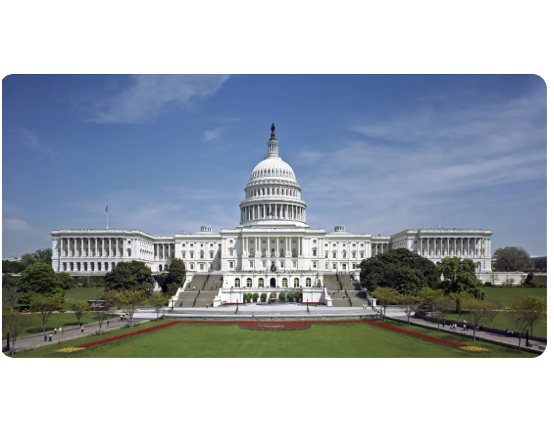
As the bill moves to the Senate, where its passage remains uncertain, it introduces a mix of regulatory adjustments, funding reallocations, and structural reorganizations. These legislative changes, combined with a concurrent restructuring at the U.S. Department of Agriculture (USDA), present both operational challenges and new market dynamics for the natural products industry.
The following is an overview of these policies, the political context, and the business implications for the regenerative and organic food supply chain.
The MAHA Movement and a Shift in Pesticide Regulation
One of the most notable developments to emerge from the House Farm Bill debates was a bipartisan vote regarding pesticide oversight—a legislative shift influenced in part by the Make America Healthy Again (MAHA) movement.
For months, the drafted Farm Bill contained language designed to federally preempt states from requiring health and cancer warning labels on pesticides, a provision intended to protect agrochemical manufacturers from state-level lawsuits. However, the House voted, 280-142, to strip this pro-pesticide language from the bill.
According to Politico, this vote represents a major win for MAHA-aligned Republicans and Democrats. The amendment to remove the shield was championed by Rep. Anna Paulina Luna (R-Fla.), who had signaled she would oppose the entire Farm Bill if the protections remained. Despite pressure from House Agriculture Chair G.T. Thompson (R-Pa.), who argued the shield was necessary to prevent “frivolous lawsuits” and to protect crop yields, 73 Republicans joined the majority of Democrats to remove the provision.
This legislative fight highlights the increasing complexity of food politics. As reported by the Montana Free Press, Bob Quinn, a renowned organic kamut farmer from Big Sandy, Montana, noted his surprise at the outcome, acknowledging the historical influence of the pesticide lobby. Interestingly, six Democrats representing regions with heavy pesticide use voted with the chemical industry to bar state labels, showcasing the fact that regional agricultural interests often intersect with party lines.
The removal of the liability shield is being hailed as a significant public health and environmental victory. According to Friends of the Earth, stripping the shield affirms that corporations selling chemicals linked to human health concerns should not be insulated from state-level oversight. Similarly, Kathleen Merrigan, executive director of the Swette Center for Sustainable Food Systems, told FoodTank that the MAHA movement has pushed the pesticide issue to a "tipping point" in food policy.
Even conservative outlets are analyzing this shift. An op-ed in Fox News questioned the broader coherence of a Farm Bill that maintains high levels of agrochemical support while elements of the party simultaneously back MAHA principles.
The Business Takeaway: For natural and organic CPG brands, this development provides a distinct market signal. Consumers are increasingly attentive to the use of synthetic inputs. With states retaining the right to mandate health warnings on conventional, chemically treated products, the value proposition of the USDA Organic label and third-party certifications like Regenerative Organic Certified (ROC) will likely strengthen. Brands should continue to emphasize transparency and clean-label marketing, as the regulatory contrast between conventional and organic agriculture becomes more visible.
Organic Legislation: Modest Progress Amid Broader Funding Cuts
While the pesticide provision's removal was a focal point, the broader Farm Bill presents a challenging framework for the organic and sustainable agriculture sectors.
The Organic Trade Association (OTA) noted that the House-passed bill includes some important wins for organic agriculture, but it stressed that federal policy must evolve to support the sector proactively rather than treat it as an "afterthought." Despite the industry's significant retail footprint, the National Organic Coalition warned that the legislation "largely assumes a stagnant organic marketplace rather than making the targeted investments needed to support continued growth."
Critiques of the bill suggest it continues to heavily favor industrial agribusiness. According to Friends of the Earth, the legislation reduces critical conservation funding—including a $1 billion cut to the Environmental Quality Incentives Program (EQIP)—while shifting resources toward subsidies for larger agribusiness operations. Furthermore, the bill attempts to override voter-approved laws such as California’s Proposition 12, which mandates humane animal welfare standards, potentially invalidating numerous state and local measures on food safety and environmental protection.
Conservation programs remain a cornerstone of the regenerative movement. As The Nature Conservancy highlights, the Farm Bill typically provides roughly $6 billion annually for conservation work on private working lands. Reducing these incentive-based programs may stifle farmers' ability to transition to climate-smart, soil-building practices.
The National Sustainable Agriculture Coalition (NSAC) states that the bill "falls unmistakably short" in addressing the current needs of farmers. NSAC points out that producers are currently facing abrupt trade policy shifts and federal workforce reductions. Earlier this year, the USDA began freezing and terminating held contracts, disrupting planning for the 2025 and 2026 planting seasons for many small and mid-sized producers.
SNAP Policy Changes and Food Access
Another critical component of the House Farm Bill is its approach to nutrition assistance. The legislation outlines $187 billion in cuts to the Supplemental Nutrition Assistance Program (SNAP), alongside expanded work requirements for certain demographics and stricter eligibility rules, according to Food & Wine.
The Center on Budget and Policy Priorities estimates that one in eight participants could lose access to some form of food relief as a result of these measures. Kathleen Merrigan noted via FoodTank that food pantries are already seeing increased demand, a trend that could accelerate later in the year as the cuts take full effect.
The Business Takeaway: SNAP funding is integral to the broader grocery economy, injecting tens of billions of dollars into retail annually. Reductions in food purchasing power can cause a ripple effect across the entire grocery ecosystem. Natural and organic retailers, who have increasingly integrated SNAP benefits to democratize access to healthier foods, may see shifts in consumer purchasing behavior. Brands and retailers will need to evaluate pricing strategies and explore ways to maintain accessibility without compromising on product integrity.
Organizational Restructuring at the USDA
Alongside the legislative process in Congress, recent administrative and structural changes within the USDA under Secretary Brooke Rollins are impacting the organic community's oversight and funding mechanisms.
Recent reports indicate a rollback of infrastructure designed to support alternative agriculture. In a recent op-ed published by Civil Eats, it was noted that the USDA abruptly canceled $300 million in contracts for the Increasing Land, Capital, and Market Access Program (ILCM). This program was established to help underserved and first-generation farmers overcome barriers to entry; its termination halts 50 community-based agricultural projects nationwide.
Staffing challenges within the USDA are also drawing attention. According to the Federal News Network, a significant majority of USDA researchers tapped for an agency relocation have declined to move, raising concerns about a potential reduction in agricultural research capacity.
This staffing shift directly affects the organic sector. According to industry watchdog OrganicEye, the National Organic Program (NOP)—which oversees certification within the $76 billion organic products market—has reportedly seen staff reductions of up to 30%. In addition, Secretary Rollins delayed appointing five members to the 15-member National Organic Standards Board (NOSB) prior to their spring meeting.
Consequently, the NOSB convened in Omaha last month with only 10 members. OrganicEye reported that this lack of representation for key constituencies—such as farmers, consumers, and scientists—strays from the original intent of the Organic Foods Production Act of 1990, leading to concerns that business conducted during the meeting could face legal challenges.
Personnel reductions extend to the Natural Resources Conservation Service (NRCS), a key agency assisting farmers with soil health improvements. As reported by Organic Insider, the NRCS has reportedly lost approximately 22% of its staff, leaving offices in several vital agricultural states operating with limited personnel. This comes shortly after the launch of a $700 million pilot program aimed at boosting soil health, raising questions about the agency's capacity to administer the new funds effectively.
The cumulative impact of these changes is placing significant pressure on producers. Food industry analyst Robyn O'Brien highlighted this convergence of factors on her Substack, noting that farmers are currently facing "a convergence of policy decisions, tariffs, immigration crackdowns, energy freezes, [and] budget cuts" that threaten operational stability.
The Senate's Role and the Path Forward
With the House-passed Farm Bill viewed by many as highly partisan and unlikely to pass the Senate in its current form, industry stakeholders are focusing their attention on the upper chamber. Senate markups are expected in June, and differing legislative priorities are already emerging.
Sen. Adam Schiff (D-Calif.), a new voice on the Senate Agriculture Committee, has outlined a contrasting legislative vision. According to AgInfo, Schiff’s priorities include enhanced support for specialty crops, regional food systems, organic agriculture, and expanded fruit and vegetable purchasing within federal food programs. Additionally, Schiff has stated his intention to oppose any Farm Bill language that overrides state-level animal welfare standards like California’s Proposition 12, while advocating for the protection of SNAP benefits.
Industry Implications and Next Steps
For business leaders in the natural, organic, and regenerative agriculture sectors, navigating this transition requires strategic adaptation. The legislative and regulatory events of the past month underscore a shift in federal support structures for sustainable food systems.
With government grants for new farmers being canceled, adjustments to the organic oversight board, and proposed reductions in conservation funding, the private sector may need to assume a larger role. As noted by Organic Insider, brands, investors, and retailers have an opportunity to privately fund transition programs, invest in supply chain resilience, and cultivate direct, supportive partnerships with farmers managing these macroeconomic pressures.
At the same time, the industry can look to align with the shifting priorities of consumers. The bipartisan rejection of the pesticide liability shield demonstrates that shoppers across the political spectrum are prioritizing clean food, transparency, and corporate accountability. Industry advocacy will remain crucial as the Senate drafts its version of the Farm Bill—urging investments in organic research, the protection of nutrition assistance, and policies that recognize regenerative agriculture as a key component of the nation's food economy.
As agricultural policy continues to be debated in Washington, it is essential for the natural products industry to remain engaged, ensuring that future legislation supports the health of the soil, the economic viability of the farmer, and the well-being of the consumer.
Steven Hoffman is Managing Director of Compass Natural Marketing, a strategic communications and brand development agency serving the natural and organic products industry. Learn more at www.compassnatural.com.
Legislative Initiatives Mount to Lower Grocery Prices and Ban Surveillance Pricing
This article first appeared in Presence Marketing’s March 2026 newsletter.
By Steven Hoffman
As the food and beverage industry moves deeper into 2026, the narrative governing the grocery aisle has shifted from simple supply chain economics to a complex battlefield of technology, privacy, and political maneuvering. While headline inflation has ostensibly cooled from its post-pandemic peaks, the lived reality for the American consumer remains one of relentless sticker shock—a reality that is now precipitating a wave of legislative interventions at both the state and federal levels.
For retailers and manufacturers, the signal from Washington and state capitals is clear: the era of unrestrained pricing strategies may be drawing to a close. A bipartisan recognition of consumer distress is fueling a two-pronged legislative assault. On one flank, lawmakers are targeting the raw costs of goods through tax repeals and affordability agendas. On the other, they are taking aim at the very mechanisms of modern retail—specifically, the emerging use of artificial intelligence and data-driven "surveillance pricing."
The Economic Context: A Slowing Pace, But Rising Pain
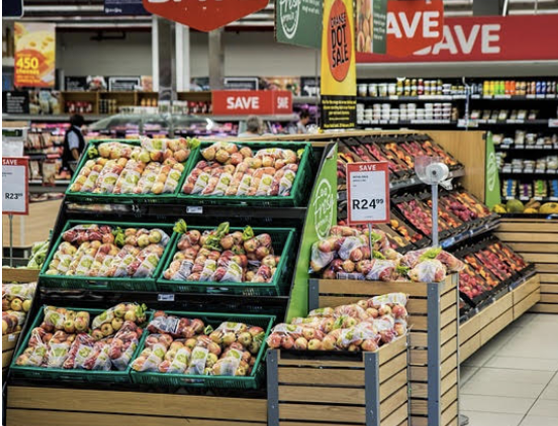
To understand what’s driving the current legislative landscape, one must look at the data. According to NPR, grocery prices have surged between 30% and 40% since 2019, fundamentally altering the economics of the American household.
While the pace of increases is technically slowing, the trajectory remains upward. As reported by Progressive Grocer, the January Consumer Price Index (CPI) from the U.S. Bureau of Labor Statistics (BLS) showed a 0.2% rise in food-at-home prices for the month and a 2.1% increase over the last 12 months.
The pain is not distributed equally across the store. The data shows that five of the six major grocery store food group indexes increased yet again in January:
Cereals and bakery products rose 1.2%
Dairy and related products increased 0.8%
Meats, poultry, fish, and eggs inched up 0.2%
Both the nonalcoholic beverages and fruits and vegetables category saw a slight rise of 0.1%
Independent analysis paints an even starker picture. The ConsumerAffairs Datasembly Shopping Cart Index reported a nearly 6% year-over-year climb in January. The cost for their basket of everyday items jumped from $147.71 in January 2025 to $156.43 in January 2026. This $8.72 increase was driven largely by coffee, cereal, and paper products, though staples like eggs and butter offered modest relief.
The Drivers: Tariffs, Labor, and “Sentiment”
Industry analysts are quick to point out that these price hikes are not occurring in a vacuum. A complex web of federal policy decisions is actively influencing shelf prices.
Foremost among these are tariffs. A report from the Council on Foreign Relations highlights that 65% of Americans now view tariffs as a primary driver of unaffordability. The Yale Budget Lab estimates that recent trade policies will likely increase food prices by 1.4% in the short run. This is already visible in the coffee aisle, where prices soared after the Administration imposed tariffs as high as 50% on major importing countries like Brazil—a move Consumer Federation of America likens to a "$200 billion federal sales tax."
Furthermore, labor dynamics linked to immigration enforcement are creating disparities between retail and foodservice. Prices for "food away from home" rose significantly more (4.1%) in 2025 than "food at home" (2.4%), reflecting the higher proportion of labor costs in prepared foods.
However, Jayson Lusk, head of agricultural economics at Purdue University, notes a critical psychological component for the industry to consider. "Consumer anxiety is increasingly driven by food prices and tariffs, not inflation as a general economic concept," Lusk told the Council on Foreign Relations in February. It is this anxiety that politicians are rushing to assuage.
The New Target: “Surveillance Pricing”
Perhaps the most significant development for retail technology vendors and data analysts is the emergence of "surveillance pricing" as a legislative target. Surveillance pricing refers to the practice of using consumer data—purchase history, location, and even biometric data—to set personalized prices or fluctuate prices in real-time based on demand. As retailers invest millions in Electronic Shelf Labels (ESLs) and AI-driven dynamic pricing models to optimize margins, lawmakers are characterizing these tools as predatory.
Leading the charge against this practice is the Stop Price Gouging in Grocery Stores Act of 2026. Introduced in the Senate on February 12 by Jeff Merkley (D-OR) and Ben Ray Luján (D-N.M.), the bill explicitly bans corporations from "leveraging new technologies" to raise grocery prices. "The bill aims to prohibit retail food stores from price gouging and engaging in surveillance-based price setting practices," the Senators stated in a press release.
In the House, Rep. Rashida Tlaib (D-MI) introduced companion legislation, H.R. 4966, which targets "personalized price gouging" where she claims stores use consumers’ sensitive personal information against them to raise prices. “The majority of Americans are stressed about rising grocery prices,” said Rep. Tlaib. “While our neighbors struggle, corporate grocery chains are feeding customer data into algorithms to decide who can be charged more. Companies should not be allowed to use electronic labeling or your personal information to charge you a higher price. We need to ban corporate price gouging and surveillance pricing.”
The Union Push
This legislative push is being bolstered by organized labor. The United Food and Commercial Workers International Union (UFCW), representing 1.2 million workers, has launched the "Affordable Groceries and Good Jobs Campaign."
According to Store Brands, this national effort seeks to ban surveillance pricing and target the growth of AI-driven technology in grocery stores. The union argues that these technologies not only harm consumers but potentially devalue retail labor. For the industry, this signals a potential alignment between consumer advocacy groups and labor unions that could create a powerful lobbying block against retail automation.
The “Affordability Agenda” in Congress
Beyond the calls for specific bans on tech-enabled pricing, a broader "Affordability Agenda" is taking shape in the House, championed by the New Democrat Coalition, a group of of 115 House Democrats “who work across the aisle and across the Capitol to advance innovative, inclusive, and forward-looking policies.”
Congresswoman Janelle Bynum (D-OR), in collaboration with the New Democrat Coalition, recently unveiled a roadmap focusing on lowering five key costs, including household essentials like groceries. Similarly, Reps. Nikki Budzinski (D-IL) and Chrissy Houlahan (D-PA) published an opinion piece outlining plans to address these "core costs crushing working Americans."
"The American people need a real plan to make life more affordable," Budzinski and Houlahan wrote, criticizing any dismissals of affordability concerns.
This rhetoric is intensifying along partisan lines. Congresswoman Susie Lee (D-NV) on February 17 released a report utilizing House Budget Committee data to argue that the current administration's economic agenda is directly responsible for higher costs. "Families in Nevada were promised lower prices. Instead, President Trump and Republicans in Congress have delivered higher grocery bills," Lee stated in a press release, pointing specifically to tariffs as a crushing weight on working families.
Arizona Senator Mark Kelly, too, pressed the administration for more action on food costs. In a February 5 statement, Sen. Kelly called on the current administration to work with Congress to lower food prices. “Arizona families cannot continue to bear the cost of rising food prices. I encourage you to take swift action and work with us to lower the price of food for American families. Thank you for your attention to this urgent matter,” Kelly said.
State-Level Actions: Bans and Tax Cuts
While Washington debates, state legislatures are moving with speed. The approaches vary wildly depending on the political makeup of the state, presenting a patchwork compliance risk for national chains.
New York: Democrats have introduced two aggressive bills. The Protecting Consumers and Jobs from Discriminatory Pricing Act specifically targets grocery stores and pharmacies, prohibiting personalized algorithmic pricing and electronic digital shelving labels. A broader bill, the One Fair Price Act, would ban most businesses from using personal data to make prices fluctuate. As reported on February 11 by News10, these bills would empower the New York Attorney General to sue companies and, crucially, allow private citizens to sue when they believe they are victims of price discrimination.
Maryland: Similar momentum is building in Annapolis. Maryland Matters reported on January 20 that HB0148, which would prohibit the use of personal or biometric data in price setting, has already begun committee hearings. The bill, backed by Maryland Governor Wes Moore, targets the "customized prices" enabled by AI, despite objections from retail advocates who argue dynamic pricing can also benefit consumers through personalized discounts.
Tennessee & Missouri: In conservative-leaning states, the legislative weapon of choice is tax relief. In Tennessee, State Rep. Mike Sparks (R-Smyrna) filed the Fresh Food Affordability Act (House Bill 2086), which would eliminate the state sales tax on fresh fruits and vegetables. In Missouri, Senate Bill 1239, sponsored by Sen. Mary Elizabeth Coleman (R-Arnold), aims to end both state and local sales tax on food and grocery items. "I am looking to increase affordability for Missourians as prices rise," Coleman told the Columbia Missourian.
The Looming Data Void
Amidst this flurry of activity, a quiet bureaucratic decision may hamper the industry's ability to understand the full scope of the crisis. The Center on Budget and Policy Priorities (CBPP) reported in February that the USDA is ending its 30-year-old annual survey on food security, beginning with the cancellation of data collection for 2025.
This comes at a time when food insecurity remains stubbornly high—affecting 47.9 million people in 18.3 million U.S. households in 2024—and as SNAP benefits face historic cuts. The CBPP warns that "the absence of this data will make it harder for policymakers, researchers, and the public to measure the harm inflicted" by rising food costs.
Implications for the Industry
For the food and beverage sector, the message is multifaceted. The "tech-forward" future of retail—dynamic pricing, facial recognition, and hyper-personalization—is colliding with a populist backlash. Retailers investing in these technologies must now price in the risk of strict regulatory prohibitions.
Simultaneously, the foundational costs of doing business are shifting. Tariffs are raising input costs, while state-level tax repeals may offer some demand-side relief. As legislative initiatives mount, the industry must prepare for a year where the price on the shelf is determined as much by the statehouse as it is by the supply chain.
Steven Hoffman is Managing Director of Compass Natural Marketing, a strategic communications and brand development agency serving the natural and organic products industry. Learn more at www.compassnatural.com.